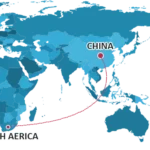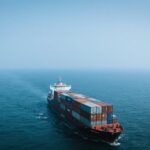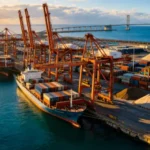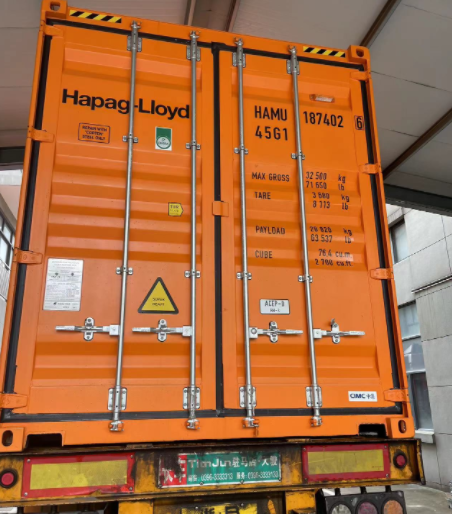
Looking for the most competitive shipping rates from China to South Africa in 2026? Here is the quick answer based on our August 2026 bookings: sea freight FCL from Shanghai to Durban runs $1,300–$2,200 for a 20ft container (freight-only), LCL runs $100–$220 per CBM, air freight has eased to around $6/kg with 4–6 day transit, and express courier sits near $13.66/kg. The fastest door-to-door option is air freight at 4–6 days; the most economical for anything above 15 CBM is a full container.
This guide walks through every charge on this lane — ocean and air freight, port charges, SARS duties and VAT, inland trucking, and destination fees — so you know exactly what to budget for before you book. Whether you are a seasoned importer or a first-time buyer from South Africa, understanding the logistics landscape and real-time market conditions is crucial for protecting your profit margins.
Dantful Insights: August 2026 Market Update
Based on our daily operations and recent bookings, the China–South Africa ocean market has held broadly steady through July and August. FCL rates into Durban are flat month-over-month (20GP around $1,300–$2,200 freight-only), while air freight eased roughly 20% from July to about $6.20/kg as e-commerce demand softened. Durban congestion has improved since Q2, but we still recommend booking 4–6 weeks ahead for any Q4 (October–December) shipment — that is when South Africa’s import volumes peak and rates typically climb 15–30%. As a specialist in Shipping From China To South Africa, our team locks in space with carriers early so your rate holds when the market tightens.
What Are the Shipping Options from China to South Africa in 2026?
Businesses shipping from China to South Africa typically choose between ocean freight, air freight, express courier, and door-to-door (DDP), depending on urgency, budget, and cargo volume. Here is how the options stack up with August 2026 pricing:
| Method | Best For | Volume / Weight | August 2026 Rate | Transit |
|---|---|---|---|---|
| Ocean Freight (FCL) | Large, bulk shipments | > 15 CBM | 20ft $1,300–$2,200; 40ft $2,000–$3,300 (freight-only) | 18–30 days |
| Ocean Freight (LCL) | Smaller, consolidated loads | 1–15 CBM | $100–$220 per CBM | 36–48 days |
| Air Freight | Urgent, high-value goods | 100 kg – 1,000 kg | $6.00–$9.00/kg by weight bracket | 4–6 days |
| Express Courier | Samples, small parcels | < 100 kg | ~$13.66/kg | 3–6 days |
| Door-to-Door (DDP) | Hassle-free delivery | Any | Sea $150–$250/CBM; Air $8.50–$12.50/kg | Sea 28–45 days; Air 5–10 days |
1. Ocean Freight from China to South Africa
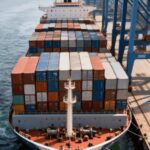
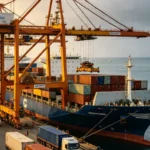
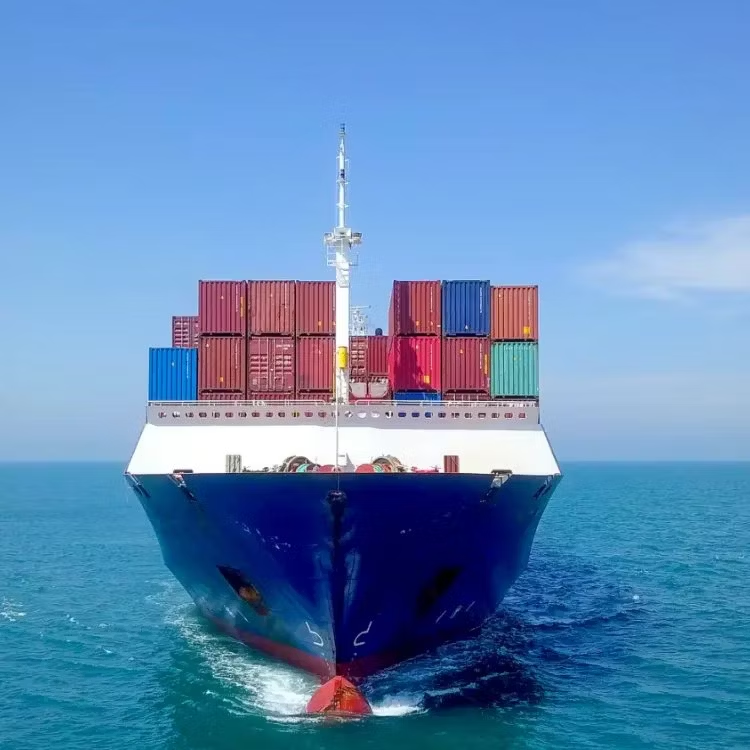
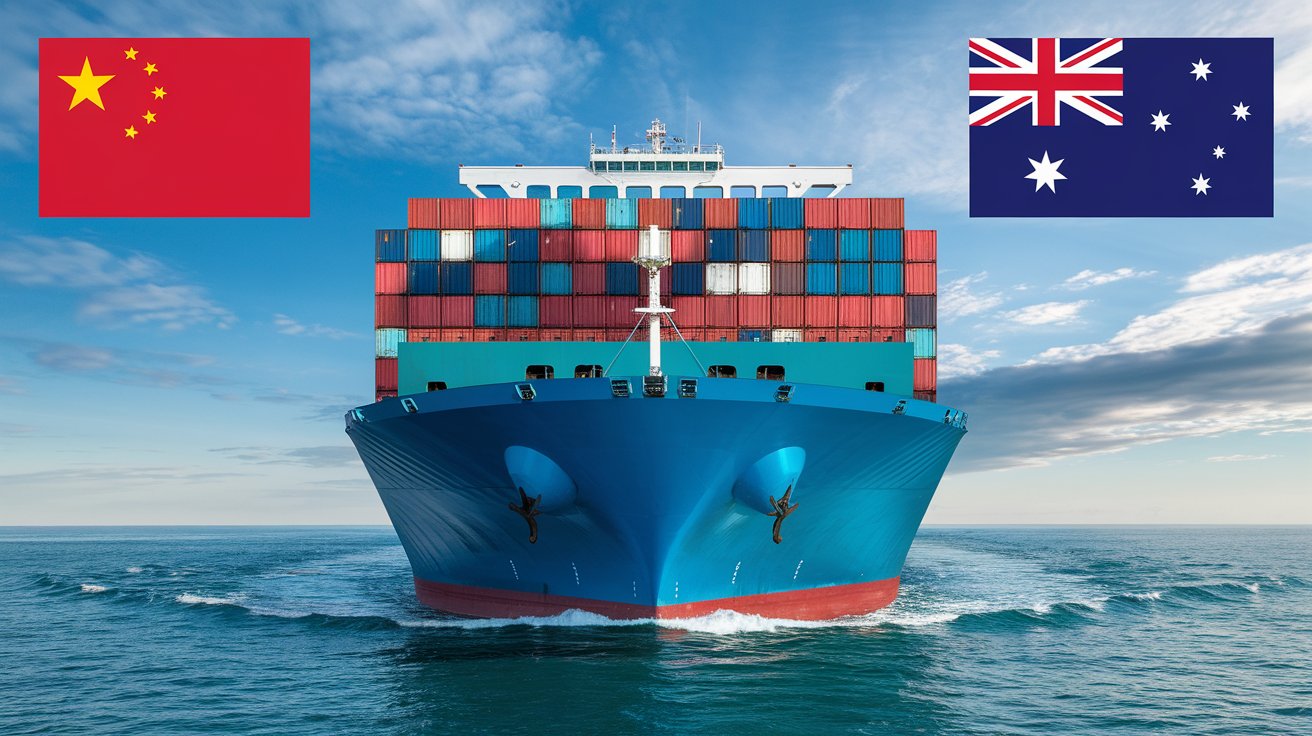
Ocean freight is the lifeline of China–South Africa trade, carrying over 90% of cargo volume between the two countries. It is the most cost-effective method for large shipments, and South Africa — China’s largest trading partner in Africa, with bilateral trade surpassing $55 billion a year — depends on it.
- FCL (Full Container Load): You hire an entire container (20ft, 40ft, or 40ft high cube). Ideal for shipments over 15 CBM. FCL offers better security, faster transit, and a far lower cost per CBM than LCL. Dantful offers reliable ocean freight services with direct carrier contracts on the major China–South Africa loops.
- LCL (Less than Container Load): Your cargo shares container space with other shipments. Perfect for smaller volumes (1–15 CBM). You pay only for the space your cargo occupies, usually calculated per CBM. For a deeper look at the sea lanes, see our guide to Sea Freight From China to South Africa.
Analyst Note: LCL looks cheap per CBM, but destination Container Freight Station (CFS) charges in Durban — unpacking, storage, and handling at the consolidation depot — can eat into the savings. Our team always runs the break-even math for you (see the FCL vs LCL table below) so you know the exact volume at which a full container becomes cheaper.
2. Air Freight from China to South Africa
For time-sensitive, high-value, or perishable goods — electronics, fashion samples, medical supplies — Air Freight is the best choice. It is significantly faster than sea freight but comes at a higher cost, so it suits cargo between roughly 100 kg and 1,000 kg that needs to arrive in days, not weeks. Air rates eased about 20% from July, making urgent shipments more affordable than they were earlier in the year.
3. Door-to-Door Shipping (DDP)
Door-to-door shipping from China to South Africa is the “hassle-free” option: the freight forwarder handles every step from the supplier’s factory in China to your warehouse in South Africa, including customs clearance and import taxes. DDP (Delivered Duty Paid) means the forwarder pays all import duties and VAT on your behalf, and you receive a single all-inclusive invoice. For first-time importers who do not yet have a SARS customs code, DDP removes the entire learning curve — no SAD500 filing, no clearing-agent relationship, no surprise tax bill at arrival.
How Much Does It Cost to Ship from China to South Africa in August 2026?
Shipping costs fluctuate with fuel prices, demand, and currency movements. These are our estimated ranges for August 2026, cross-checked against current bookings, to help you budget accurately. Rates below are freight-only (port-to-port ocean freight); destination port charges, SARS duties and VAT, and inland trucking are broken down in the landed-cost section further down — because a “cheap” freight quote without those is an incomplete number. For a full cost-component breakdown, see our container shipping costs from china to South Africa guide.
Container Shipping Rates by Sea: 20ft, 40ft & 40HQ
| Container | Capacity | Freight-Only Rate (Shanghai → Durban) | Best For |
|---|---|---|---|
| 20ft GP | ~28 CBM, max 28,000 kg | $1,300 – $2,200 | Dense, heavy cargo; first test shipments |
| 40ft GP | ~58 CBM, max 26,500 kg | $2,000 – $3,300 | Volume imports; ~50–60% more cost than a 20ft for ~2× the space |
| 40ft HC (40HQ) | ~68 CBM, 2.70 m height | $2,200 – $3,500 | Bulky, lightweight cargo; ~10% more than a 40ft GP for ~17% more volume |
Port-to-port rate matrix (August 2026, freight-only, USD):
| Route (China → South Africa) | 20ft (USD) | 40ft (USD) | 40HQ (USD) | Transit | Remarks |
|---|---|---|---|---|---|
| Shanghai → Durban | $1,300 – $2,200 | $2,000 – $3,300 | $2,200 – $3,500 | 18–24 days | Most frequent sailings on the lane |
| Ningbo → Durban | $1,300 – $2,200 | $2,000 – $3,300 | $2,200 – $3,500 | 19–25 days | Competitive alternative to Shanghai |
| Shenzhen → Durban | $1,400 – $2,250 | $2,100 – $3,400 | $2,300 – $3,600 | 22–28 days | Best for Guangdong/Foshan cargo |
| Guangzhou → Durban | $1,400 – $2,300 | $2,100 – $3,500 | $2,300 – $3,700 | 21–27 days | General cargo hub |
| Shenzhen → Cape Town | $1,500 – $2,400 | $2,300 – $3,600 | $2,500 – $3,800 | 22–28 days + 2–4 days | Slight premium; fewer sailings |
| Qingdao → Durban | $1,500 – $2,400 | $2,300 – $3,600 | $2,500 – $3,800 | 22–27 days | Northern China manufacturers |
Note: Rates are estimates and change weekly with carrier spot pricing, BAF (bunker adjustment factor) and seasonal demand. Contact Dantful for a real-time quote based on your cargo’s ready date.
Which Chinese Port Is Cheapest for Shipping to South Africa?
Port choice can move your freight bill by hundreds of dollars, so match the load port to your supplier’s location rather than chasing the lowest headline rate — the domestic trucking cost to haul cargo 1,500 km north to Shanghai usually outweighs a few days of ocean-transit advantage.
- Cheapest options: Shanghai and Ningbo to Durban. Both offer the most frequent direct sailings, which keeps base rates down.
- Guangdong/Fujian suppliers: Shenzhen (Yantian/Shekou) or Guangzhou (Nansha) to Durban. Slightly higher base rates, but you save the inland haul from the Pearl River Delta.
- Shandong/Hebei suppliers: Qingdao or Tianjin. Expect +2–4 days transit and slightly higher base rates.
- Cape Town destination: A direct Shenzhen → Cape Town sailing beats routing via Durban, because the inland truck from Durban to Cape Town is roughly 1,500 km — often more expensive than the small premium on a direct call.
On the South African side, Durban is the workhorse: it handles roughly 60% of the country’s container traffic and feeds Johannesburg and the Gauteng industrial heartland. Cape Town serves the Western Cape, and Gqeberha (Port Elizabeth)/Ngqura serves the Eastern Cape automotive corridor.
How Much Does Air Freight Cost from China to South Africa per kg?
Air freight rates are calculated on chargeable weight — the higher of actual weight and volumetric weight (length × width × height in cm ÷ 6,000). August 2026 rates from Shenzhen or Guangzhou to OR Tambo International (JNB) or Cape Town International:
| Weight Bracket | Estimated Cost (USD/kg) | Transit Time |
|---|---|---|
| +45 kg | $7.00 – $9.00 | 4–6 days |
| +100 kg | $6.00 – $8.00 | 4–6 days |
| +300 kg | $5.50 – $7.00 | 4–6 days |
| +500 kg | $5.00 – $6.50 | 4–6 days |
| +1000 kg | Negotiable | 3–5 days |
From our recent bookings, door-to-door air transit from Shenzhen or Guangzhou to Johannesburg averages 4–5 days when customs paperwork is pre-cleared. Most air cargo moves via Dubai, Doha, or Hong Kong hubs, so hub weather and capacity can add a day in either direction.
FCL vs LCL: Which Container Option Costs Less from China to South Africa?
The single most useful calculation on this lane is the FCL vs LCL break-even point. LCL is priced per CBM but layers on consolidation fees at origin and CFS charges at destination; FCL is a flat price for the whole box. The math below uses a typical August 2026 LCL rate of $180/CBM against a 20ft freight-only range of $1,300–$2,200:
| Shipment Volume | LCL Cost (at $180/CBM) | 20ft FCL (freight-only) | Verdict |
|---|---|---|---|
| 12 CBM | $2,160 | $1,300 – $2,200 | Borderline — LCL or FCL both workable |
| 15 CBM | $2,700 | $1,300 – $2,200 | FCL is usually cheaper |
| 18 CBM | $3,240 | $1,300 – $2,200 | FCL clearly wins |
The rule of thumb: once your shipment exceeds 14–15 CBM, book a 20ft container. Above 28 CBM, move up to a 40ft or 40HQ. For small shipments, here is the cheapest way to ship from China to South Africa at a glance:
- < 20 kg: Express courier (DHL/FedEx/UPS) or China Post.
- 20–100 kg: Air freight is viable; LCL sea freight is cheaper if time allows.
- 100 kg – 15 CBM: LCL sea freight is the most economical option.
- > 15 CBM: FCL (20ft/40ft) offers the lowest cost per unit.
Dantful Pro Tip: Consolidation is the hidden lever for LCL shippers. If you buy from multiple factories on Alibaba, our team consolidates all your goods at our Shenzhen warehouse into a single shipment. You pay one set of consolidated freight shipping costs instead of several, which can cut your total freight and clearance bill by 20–30%.
What Is the Total Landed Cost of a Container from China to South Africa?
The freight quote is only part of the story. Duty, VAT, clearance, and inland delivery can multiply it several times over, so this section walks through every cost element with current figures — none of these are hidden, they are standard parts of the cost chain, and a professional forwarder lists every one in the quote.
Worked Example: 20ft of Consumer Goods Landed at Durban
Here is a typical 20ft container of consumer goods, cargo value $15,000, landed at Durban in August 2026:
| Cost Element | Calculation | Amount |
|---|---|---|
| Ocean freight (20ft GP, freight-only) | Market rate | $1,300 – $2,200 |
| Import duty (SACU tariff, 20% for this example) | $15,000 × 20% | $3,000 |
| VAT (15%) | ($15,000 + $3,000) × 15% | $2,700 |
| SARS clearing agent & port fees | Fixed | $300 – $500 |
| Total, delivered to Durban port gate | — | $7,300 – $8,400 |
| Inland trucking to Johannesburg (optional) | Durban → Gauteng | +$350 – $750 |
So a freight-only quote of $1,300–$2,200 becomes a landed cost of roughly $7,300–$8,400 — about four times the freight number. That is not unusual; it is the normal shape of China–South Africa economics, because duty plus VAT typically adds 35–40% of the cargo value on top of freight. Any quote for container shipping to South Africa that does not walk you through duty and VAT is incomplete. The silver lining: if your business is VAT-registered in South Africa, you can claim the import VAT back on your next VAT return.
Import Duties & VAT: What Will SARS Charge?
South Africa Customs (SARS) applies the SACU (Southern African Customs Union) tariff schedule. Duty is ad valorem — a percentage of the customs value (your CIF value: cost of goods + insurance + freight) — and ranges from 0% to over 45% depending on the HS code. VAT is a flat 15%, calculated on the customs value plus the duty. As a quick reference, here are typical total tax loads by product category:
| Product Category | Import Duty | + VAT (15%) | Total Tax Load |
|---|---|---|---|
| Clothing and textiles | 40 – 45% | 15% | 55 – 60% |
| Footwear | 30 – 45% | 15% | 45 – 60% |
| Food and beverages | 20 – 40% | 15% | 35 – 55% |
| Furniture | 20 – 30% | 15% | 35 – 45% |
| Toys and games | 20 – 30% | 15% | 35 – 45% |
| Health and beauty | 10 – 25% | 15% | 25 – 40% |
| Electronics and IT | 0 – 20% | 15% | 15 – 35% |
| Machinery and equipment | 0 – 15% | 15% | 15 – 30% |
Two compliance items catch importers out on this lane:
- ITAC import permits are required for controlled goods — second-hand goods, used vehicles, certain textiles and steel products. Applying takes 2–6 weeks, so it must start before the container sails.
- NRCS compliance applies to regulated categories (electronics, appliances, automotive components), which need a Letter of Authority (LOA) from the National Regulator for Compulsory Specifications before shipping, and SABS standards for many product types.
Tip: Always confirm your product’s exact HS code with a professional before booking — a misclassification changes your duty rate and can trigger re-inspection. Dantful’s Customs Clearance team checks HS codes and LOA/ITAC requirements for every South Africa shipment before the cargo leaves China, so there are no surprises at the border.
Destination Fees in South Africa: What They Are & How to Plan
Every destination adds fees on top of freight and duties. None of these are hidden — they are standard parts of the cost chain, and a professional forwarder lists every one in your quote. Here is what each fee is, why it exists, and how to plan for it:
| Fee | What It Is | Why It’s Charged | How to Plan |
|---|---|---|---|
| Destination THC (Terminal Handling Charge) | $200–$450 (20ft) / $300–$550 (40ft) | Port terminal loading/unloading at Durban, Cape Town, or Gqeberha | Included in any all-in quote; confirm it is itemized |
| CFS / Deconsolidation Fee (LCL) | ~$30–$80 per CBM | Unpacking and handling at the Durban Container Freight Station | Factor into LCL vs FCL comparison — it is why FCL wins above 15 CBM |
| Clearing Agent Fee | $150–$350 per shipment | SARS SAD500 filing and customs brokerage | Budget it; under DDP the forwarder absorbs it into the all-in price |
| Inland Trucking (Durban → Johannesburg) | $350–$750 (20ft) / $500–$1,100 (40ft) | Road haul from the port to Gauteng’s City Deep inland depot (1–2 days) | For Gauteng-bound cargo, compare port-to-door quotes, not port-to-port |
| Storage & Demurrage | Free 3–5 days, then $50–$150/day (40ft) | Port storage when a container sits uncleared past its free time | Submit documents before vessel arrival so clearance lands inside the free window |
| ISPS Security Fee | ~$15–$30 per container | International Ship and Port Security compliance | Minor line item; appears on every carrier invoice |
The planning principle is simple: ask for a quote that splits freight / duties & VAT / destination charges into three visible buckets. That structure lets you compare forwarders fairly and see exactly where your money goes.
FOB vs CIF vs DDP: Which Incoterm Is Best for South Africa Imports?
The Incoterm you choose determines who pays for what — and on this lane, where duties and VAT can exceed the freight cost itself, it matters more than which carrier you pick. Incoterms 2020 definitions at a glance:
| Incoterm | China Domestic Leg | Ocean Freight | Insurance | SA Duty & VAT | SA Clearance | Last Mile | Risk Transfers |
|---|---|---|---|---|---|---|---|
| EXW | Buyer | Buyer | Buyer | Buyer | Buyer | Buyer | At factory gate, China |
| FOB | Seller | Buyer | Buyer | Buyer | Buyer | Buyer | Once loaded on vessel, China |
| CIF | Seller | Seller | Seller (minimum cover) | Buyer | Buyer | Buyer | Once loaded on vessel, China |
| DDP | Seller | Seller | Seller | Seller | Seller | Seller | At your door, South Africa |
- FOB is the control option for established importers: you negotiate your own freight and destination costs, and if you are VAT-registered in South Africa, you manage the input VAT claim yourself.
- CIF looks convenient but the seller’s insurance is minimum cover only, and you still handle everything on the South African side.
- DDP wins for first-time importers and SMEs: one quote, one provider, one accountable party, and your cash flow is protected from surprise tax bills. All-in DDP pricing on this lane runs roughly $150–$250 per CBM (sea) or $8.50–$12.50 per kg (air), and a DDP Shipping Services quote itemizes freight, duty, VAT, and delivery so you can verify the math.
The rule of thumb: the more containers you ship per year, the more control you want (FOB); the fewer you ship, the more you want the all-in price (DDP).
How Long Does Shipping from China to South Africa Take?
Time to market matters. Here is what to expect on current 2026 schedules:
Ocean transit by Chinese port (to Durban):
| Departure Port | Transit (Days) | Notes |
|---|---|---|
| Shanghai | 18–24 | Most frequent direct sailings |
| Ningbo | 19–25 | Direct and near-direct options |
| Guangzhou | 21–27 | Feeds via Hong Kong or Shenzhen |
| Shenzhen (Yantian/Shekou) | 22–28 | Often via transshipment hub |
| Qingdao | 22–27 | Usually transships via Shanghai |
Add 2–4 days for Cape Town and 1–3 days for Gqeberha/Port Elizabeth. Since the Red Sea disruptions, some carriers re-route services around the Cape of Good Hope, which can add 7–10 days on transshipment legs — always ask whether your quote assumes a direct Suez routing or a rerouted service.
Door-to-door totals by method:
| Method | Door-to-Door | Notes |
|---|---|---|
| Sea FCL | 28–40 days | Port-to-port + pickup, clearance, delivery |
| Sea LCL | 33–45 days | +5–8 days for consolidation/deconsolidation |
| Air Freight | 5–10 days | Via Dubai, Doha, or Hong Kong hubs |
| Express Courier | 3–6 days | Small parcels and documents |
Durban vs Cape Town: Durban is the most competitive port for Gauteng/Johannesburg-bound cargo thanks to frequent sailings and the City Deep inland depot connection. Cape Town direct sailings suit Western Cape buyers; routing via Durban adds roughly 1,500 km of trucking.
When Is It Cheapest to Ship from China to South Africa?
Timing is the biggest lever you control on this lane. Rates spike in three windows every year, and one window is consistently cheap:
| Window | Timing | Effect on Rates | Booking Advice |
|---|---|---|---|
| Q4 peak season | October – December | +15–30% — European and US orders compete for vessel space | Book 4–6 weeks ahead |
| Pre-Chinese New Year | January – February (4–6 weeks before the holiday) | Factories rush shipments out; space is scarce | Book 3–4 weeks ahead |
| Golden Week | Early October | Sailing schedules thin out | Avoid, or book well ahead |
| Cheapest window | March – June | Rates typically 15–25% lower than peak | Best time for flexible schedules |
| South African holidays | Mid-December – early January | Ports and SARS slow down; clearance stretches | Plan arrival outside this window |
If your timeline is flexible, shipping in the March–June window and locking Q4 shipments in June–July routinely saves 15–25% versus September–October booking. Our team monitors Durban port status daily and can advise the optimal booking window for your schedule.
How to Ship from China to South Africa: Step-by-Step Process
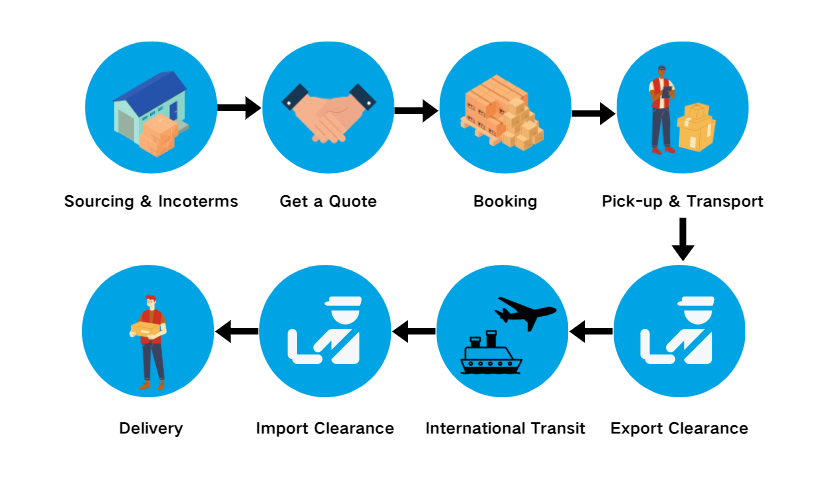
- Sourcing & Incoterms: Confirm your order with the supplier and agree on Incoterms (e.g., FOB Shenzhen or DDP Durban).
- Get a Quote: Contact a specialized freight forwarder like Dantful with your cargo details — dimensions, weight, commodity, HS code if known.
- Booking: Your forwarder secures space with the shipping line or airline. For peak season, book 4–6 weeks ahead.
- Pick-up & Transport: Goods move from the factory to the port or airport of origin; wooden pallets or crates need ISPM 15 fumigation and stamping here.
- Export Clearance: Customs declaration in China. Cross-check the HS code before filing — mismatches are the usual holdup.
- International Transit: Cargo moves via sea (Suez route to Durban, Cape Town, or Gqeberha) or air (via Dubai, Doha, or Hong Kong).
- Import Clearance: Upon arrival in South Africa, goods are cleared by SARS — the SAD500 declaration is filed under your importer customs code, duties and VAT are assessed, and payment releases the cargo. Well-prepared filings clear in 2–3 days.
- Delivery: Cargo trucks from the port to your warehouse or directly to your customer — from Durban to Johannesburg/Gauteng via the City Deep inland depot in 1–2 days.
What Documents Do You Need to Clear Customs in South Africa?
Accurate, consistent documentation is the difference between a 2-day clearance and a two-week inspection. Prepare these before the vessel arrives:
| Document | Required? | Notes |
|---|---|---|
| Commercial Invoice | Yes | Must describe goods in detail; value consistency is critical |
| Packing List | Yes | Must match the invoice exactly |
| Bill of Lading (B/L) or Airway Bill (AWB) | Yes | Telex release accepted for sea freight |
| Certificate of Origin | Yes | Verify any preferential-rate eligibility for your HS code |
| SAD500 Customs Declaration | Yes | Filed by importer or clearing agent with SARS |
| SARS Importer Customs Code | Yes | You (or your DDP provider) must be registered |
| ITAC Import Permit | Conditional | Second-hand goods, used vehicles, certain textiles/steel — allow 2–6 weeks |
| NRCS Letter of Authority | Conditional | Electronics, appliances, regulated product categories |
| SABS Compliance | Conditional | Product standards for many consumer categories |
| ISPM 15 Fumigation Certificate | Conditional | Mandatory if any wood packaging is used |
Dantful’s compliance team double-checks LOA, ITAC, and ISPM 15 requirements before cargo leaves China — a misclassified HS code or a missing fumigation stamp is the fastest way to turn a smooth shipment into a held container at Durban.
How to Choose a Reliable Freight Forwarder from China to South Africa?
A South Africa quote is really three jobs in one: the ocean or air leg, SARS clearance (duties and VAT often exceed the freight itself), and inland trucking from Durban or Cape Town to your final city. A forwarder who is only strong at one leg will leave you exposed on the other two. Here are four lane-specific checks before you commit:
- Ask for a three-bucket quote: freight, duties & VAT, and destination charges itemized separately. A single “all-inclusive” number with no breakdown cannot be verified — and on this lane, the duty/VAT bucket is usually the biggest one.
- Confirm they have cleared your product type before: electronics need an NRCS LOA, second-hand or controlled goods need an ITAC permit with 2–6 weeks lead time. Ask who their clearing agent is in Durban.
- Check demurrage planning: South African ports give 3–5 free days, then charge $50–150/day. Ask how they guarantee your clearance lands inside the free window.
- Verify carrier contracts and tracking: a forwarder with direct agreements with MSC, Maersk, CMA CGM, or COSCO locks in space that spot brokers cannot match in Q4 — and milestone-level tracking is table stakes on a 30-day ocean lane.
Why Dantful International Logistics? We are a freight forwarder from china to South Africa with deep experience on this lane: established 2008, Class-A licensed, NVOCC and FMC certified, and Jctrans accredited. Strong relationships with carriers (Maersk, MSC, COSCO, CMA CGM) mean competitive rates and reliable space; 50 operations staff plus 50+ customer-service agents provide 24/7 support and daily tracking updates from factory to final delivery. As a freight forwarder in shenzhen china, we consolidate, clear, and deliver door-to-door — one partner for the whole journey. For shipments handled by a local partner at destination, we also connect you with a trusted shipping agent from china to South Africa.
Frequently Asked Questions
1. How much does it cost to ship from China to South Africa in 2026?
In August 2026, sea freight FCL from Shanghai to Durban runs $1,300–$2,200 for a 20ft container (freight-only) and $2,000–$3,300 for a 40ft. LCL runs $100–$220 per CBM, air freight $6.00–$9.00/kg, and express around $13.66/kg. Total landed cost for a typical 20ft consumer-goods shipment (cargo value $15,000) is $7,300–$8,400 including duty, VAT, and clearing.
2. How much does a 20ft container cost to ship from China to South Africa?
Freight-only: $1,300–$2,200 from Shanghai or Ningbo to Durban (August 2026). With duty, VAT, and clearing fees, a typical $15,000 consumer-goods shipment lands at $7,300–$8,400 before inland delivery.
3. How much does a 40ft container cost to ship from China to South Africa?
A 40ft GP runs $2,000–$3,300 freight-only; a 40ft high cube (40HQ) runs $2,200–$3,500. The 40HQ adds about 17% more volume for roughly 10% more cost — the lowest cost per CBM available.
4. What is the cheapest way to ship from China to South Africa?
Sea freight is always cheaper than air for anything over roughly 100 kg. Below 15 CBM, LCL is the economical choice; above 14–15 CBM, FCL wins. Consolidating multiple supplier orders into one LCL or FCL shipment cuts costs further.
5. How long does sea freight take from China to South Africa?
Direct ocean transit is 18–24 days from Shanghai to Durban and 22–28 days from Shenzhen; LCL adds 5–8 days for consolidation. Door-to-door FCL totals 28–40 days.
6. What import duty and VAT will I pay on goods from China?
SACU tariff duty ranges 0–45%+ depending on your HS code (clothing and textiles are the highest at 40–45%; electronics and machinery are often 0–20%). VAT is a flat 15% on the customs value plus duty.
7. Can I ship batteries or electronics to South Africa?
Yes, but batteries are classified as dangerous goods (DG) and electronics need an NRCS Letter of Authority before shipping. Dantful has the specialized expertise and UN38.3 documentation knowledge to handle sensitive cargo safely and compliantly.
8. Do I need an ITAC permit or NRCS approval?
If your goods are second-hand, used vehicles, or certain textiles and steel products, an ITAC import permit is mandatory and takes 2–6 weeks to obtain. Electronics, appliances, and automotive components need NRCS compliance. Check both before booking, not after the cargo lands.
9. Is DDP worth it for shipping to South Africa?
For first-time importers, SMEs, and e-commerce sellers without a SARS customs code, yes — DDP gives one all-in price with duties, VAT, and clearance handled, protecting your cash flow from surprise tax bills. Established importers with their own clearing agent may prefer FOB for control over destination costs.
10. What documents do I need to clear customs in South Africa?
Commercial invoice, packing list, bill of lading or airway bill, certificate of origin, and the SAD500 declaration filed under a SARS importer code — plus conditional items: ITAC permits for controlled goods, NRCS compliance for regulated products, and an ISPM 15 fumigation certificate for any wood packaging.

Young Chiu is a seasoned logistics expert with over 15 years of experience in international freight forwarding and supply chain management. As CEO of Dantful International Logistics, Young is dedicated to providing valuable insights and practical advice to businesses navigating the complexities of global shipping.