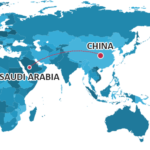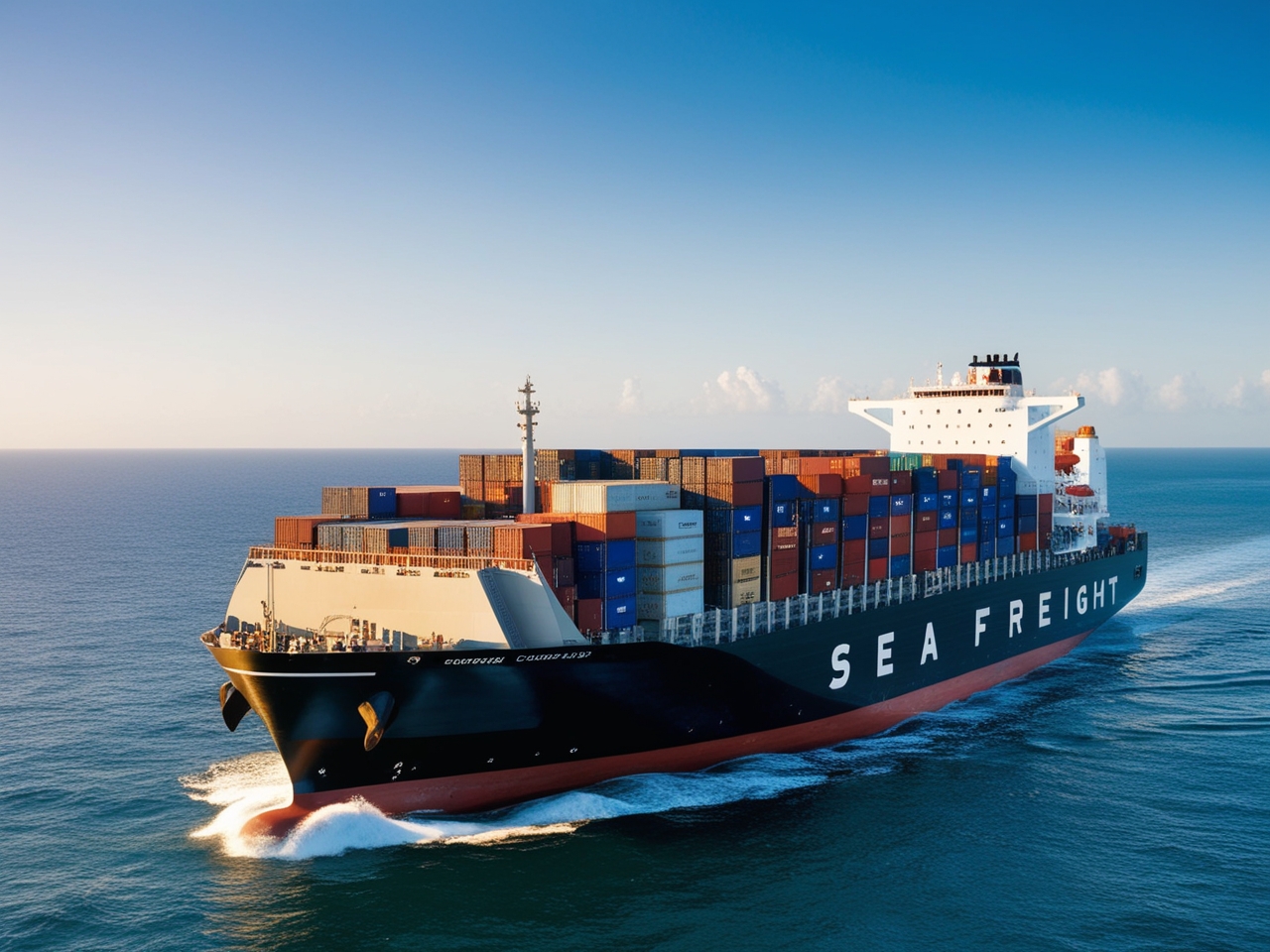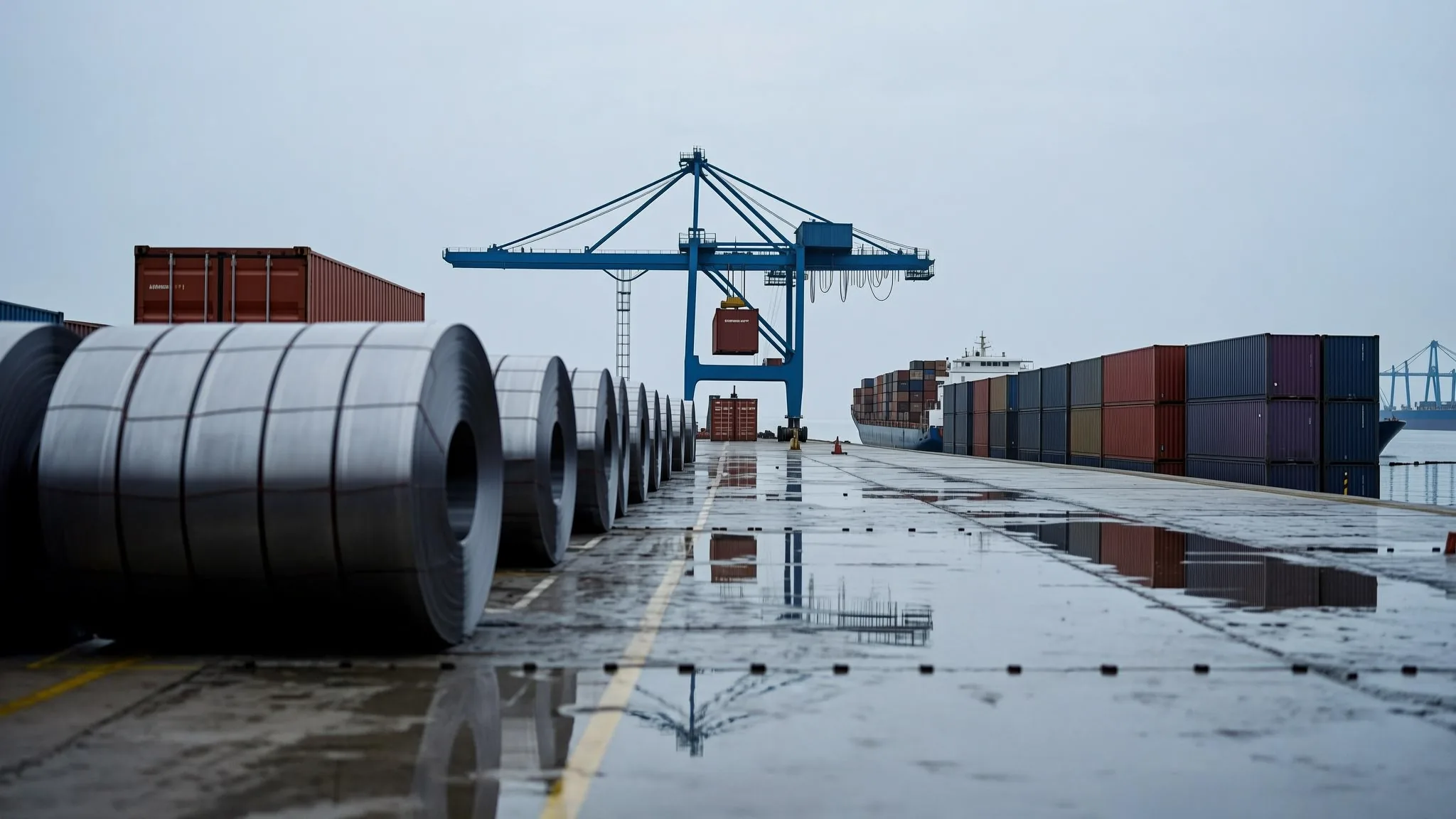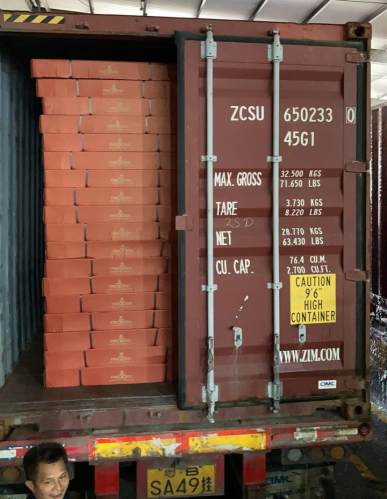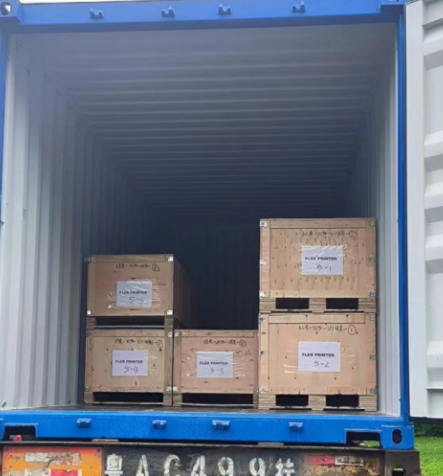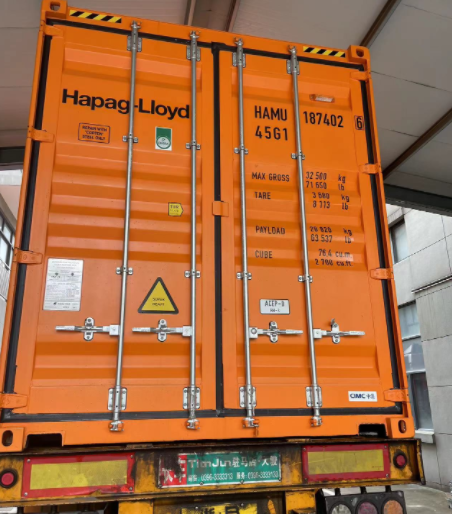
Are you wondering what factors influence the cost of shipping a 20ft container from China to Saudi Arabia? Understanding container shipping, transit times, and customs procedures is crucial for smooth international trade. In this comprehensive guide, we’ll break down everything you need to know about LCL and FCL shipping, major ports, import duties, and choosing a reliable freight forwarder for your supply chain needs. Get ready to make informed decisions and optimize your shipping process!
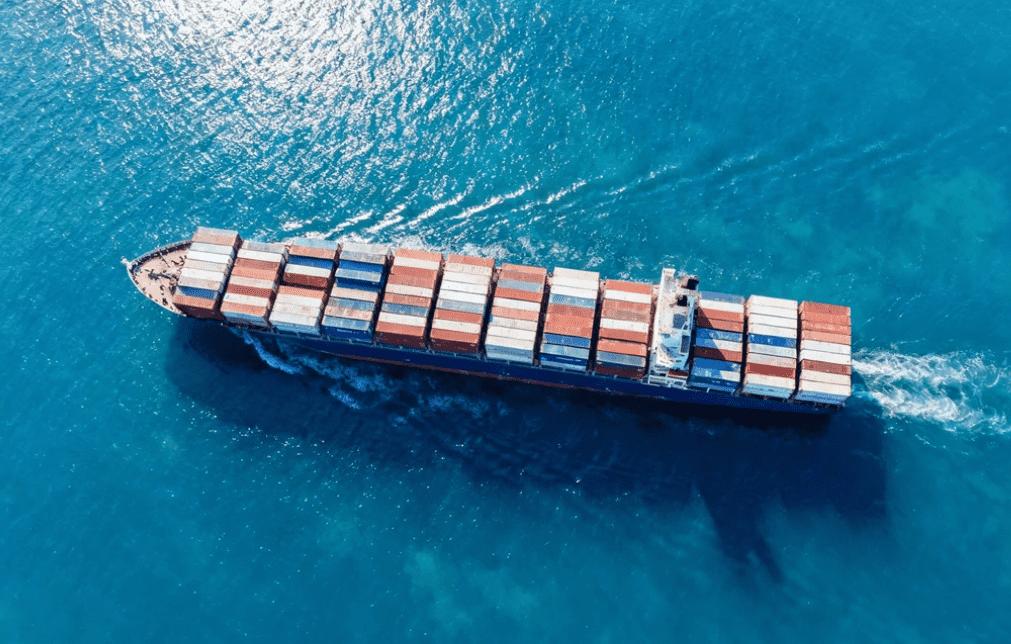
Container Shipping from China to Saudi Arabia
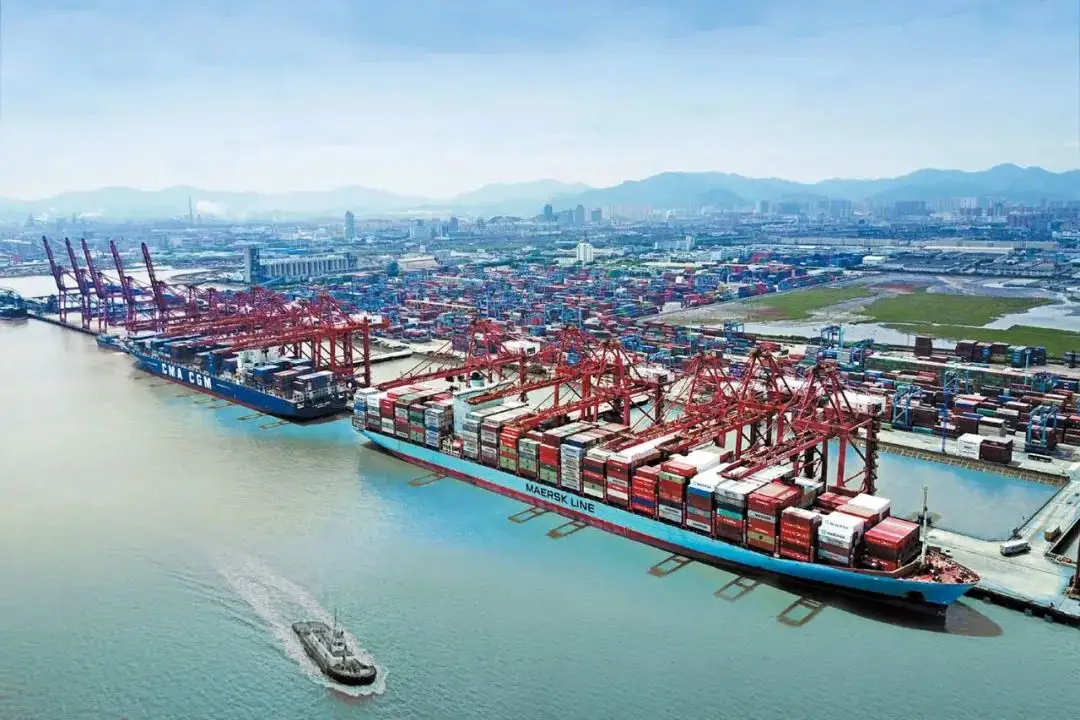
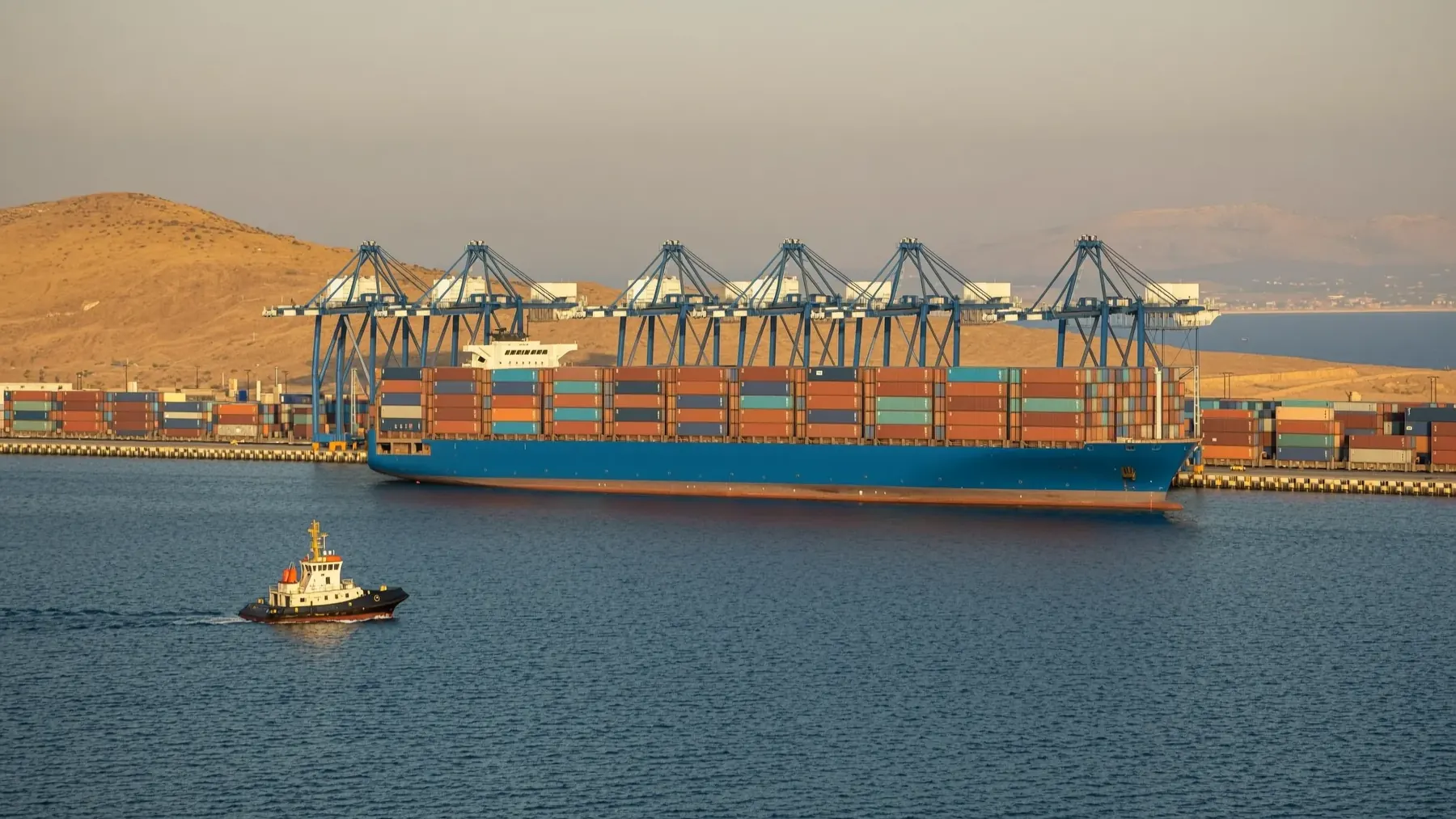
Shipping a container from China to Saudi Arabia is a strategic choice for many global traders, manufacturers, and e-commerce businesses. As one of the world’s busiest trade lanes, this route supports both consolidated (LCL) and full container load (FCL) shipments, offering flexible solutions suited to varying cargo volumes, budgets, and timelines.
International ocean freight is typically the most cost-effective way to transport large quantities of goods across continents. The two most common types are:
LCL Shipping from China to Saudi Arabia
Less than Container Load (LCL) is ideal for shipments that do not require a full container. Your cargo is consolidated with that of other shippers, sharing space and costs. This mode is suitable for small to medium-sized businesses or first-time exporters/importers.
Key features and considerations for LCL shipping:
- Cost Efficiency: You pay only for the space your cargo occupies (measured in CBM–Cubic Meters), not for an entire container.
- Consolidation: Goods are grouped with other shipments heading to the same destination, which can increase handling times but optimizes cost for smaller volumes.
- Flexibility: Lower minimum volume requirement, making LCL accessible for a wide range of shipment sizes.
- Transit Time: LCL can be slightly longer than FCL due to consolidation and deconsolidation at origin and destination ports.
- Documentation: LCL shipments require careful labeling and packing to avoid mix-ups during group handling.
For readers considering LCL, understanding the differences between LCL and FCL shipping can help you select the optimal mode for your cargo.
Example:
If you are shipping 10 CBM of electronics from Shenzhen to Jeddah, LCL offers a budget-friendly solution compared to booking an entire container.
| Shipping Mode | Minimum Volume | Suitable For | Average Transit Time | Cost Structure |
|---|---|---|---|---|
| LCL | 1 CBM | Small/medium shipments | 25-35 Days | Pay by measured CBM/weight |
FCL Shipping from China to Saudi Arabia
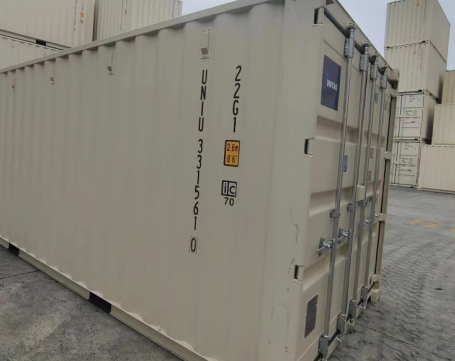
Full Container Load (FCL) shipping is recommended when you have enough cargo to fill an entire container or need exclusive use of the container for security, timing, or product integrity.
FCL container sizes commonly used:
- 20ft Container: Capacity of approx. 28 CBM
- 40ft Container: Capacity of approx. 56 CBM
- 40HQ Container: Capacity of approx. 68 CBM
- 45HQ Container: Capacity of approx. 78 CBM
Advantages of FCL shipping:
- Predictability: Faster processing at ports since there is no need for consolidation or deconsolidation.
- Security: Exclusive use of the container lowers the risk of goods being damaged or mixed with other consignments.
- Cost-Effectiveness: For shipments above 15-18 CBM, FCL often becomes more economical than LCL.
- Flexibility in Cargo Types: Allows for bulk, oversized, or sensitive cargo that may not be suitable for consolidation.
Example:
A furniture manufacturer exporting a full 20ft container (28 CBM) from Ningbo to Dammam enjoys dedicated space and predictable scheduling.
| Container Size | Capacity (CBM) | Gross Weight Limit | Typical Use Cases |
|---|---|---|---|
| 20ft | 28 | ~28,000 KG | Medium volumes, heavy goods |
| 40ft | 56 | ~28,000 KG | Bulkier, lighter goods |
| 40HQ | 68 | ~26,000 KG | Voluminous, lightweight |
| 45HQ | 78 | ~26,000 KG | Large, light shipments |
Main Ports in China and Saudi Arabia
Selecting the right ports can impact shipping cost, transit time, and customs efficiency. Both China and Saudi Arabia have well-developed port infrastructure to handle international container traffic.
Major Ports in China for Exports
| Port Name | Location | Specializations |
|---|---|---|
| Shanghai | East China | World’s busiest port; all container types, general cargo |
| Shenzhen | South China | Electronics, machinery, textiles, LCL/FCL |
| Ningbo | East China | Industrial goods, automotive, bulk and container |
| Guangzhou | South China | Chemical, electronics, diverse general cargo |
| Qingdao | North China | Machinery, agricultural, heavy industries |
| Xiamen | Southeast | Apparel, footwear, electronics |
| Tianjin | North China | Metal products, heavy machinery |
Major Ports in Saudi Arabia for Imports
| Port Name | Location | Specializations |
|---|---|---|
| Jeddah Islamic Port | West Coast (Red Sea) | Main entry for containerized cargo; close to Riyadh |
| King Abdulaziz Port (Dammam) | East Coast (Arabian Gulf) | Ideal for eastern/central regions; major container port |
| King Abdullah Port | West Coast (near Jeddah) | Growth corridor for new logistics, containerized freight |
| Jubail Commercial Port | Eastern Province | Industrial and project cargo |
Choosing optimal port pairings (e.g., Shanghai–Jeddah, Shenzhen–Dammam) can help reduce shipping costs and improve overall efficiency.
At Dantful International Logistics, we leverage our deep port network and industry expertise to recommend the best routing, whether you require cost-effective LCL, secure FCL, or specialized solutions (such as OOG Freight, Amazon FBA, or Door to Door services).
For those interested in more detailed regional guidance, you may want to explore our overview of shipping from China to Saudi Arabia.
Cost of Shipping a 20ft Container from China to Saudi Arabia
When planning to ship a 20ft container from China to Saudi Arabia, understanding the total cost is essential for effective budgeting and supply chain management. The costs can vary significantly based on several factors, including selected ports, shipping lines, current market rates, cargo type, and value-added services.
Key Cost Components
Ocean Freight Charges
This is the base shipping cost charged by the shipping lines for transporting a 20ft container. Rates fluctuate based on demand, fuel prices, and global logistics trends.Origin Charges in China
- Export Customs Declaration
- Terminal Handling Charges (THC)
- Documentation Fees
- Inland Haulage (if not shipping from a port city)
Destination Charges in Saudi Arabia
- Destination Terminal Handling Charges
- Port Dues
- Import Service Fees
- Delivery Charges (if door delivery required)
Other Possible Fees
- Container Imbalance Surcharges
- Peak Season Surcharges
- Insurance (recommended)
- Customs Clearance Fee
Estimated Shipping Cost Overview (As of Q4 2025)
The following table provides an estimated cost range for shipping a 20ft container from major ports in China to major ports in Saudi Arabia:
| Route (Port to Port) | Estimated Ocean Freight (USD) | Origin Charges (USD) | Destination Charges (USD) | Total Estimate (USD) |
|---|---|---|---|---|
| Shanghai → Jeddah | $1,500 – $2,100 | $350 – $500 | $400 – $600 | $2,250 – $3,200 |
| Shenzhen → Dammam | $1,600 – $2,200 | $330 – $480 | $420 – $650 | $2,350 – $3,330 |
| Ningbo → Riyadh (via Dammam) | $1,550 – $2,050 | $340 – $470 | $430 – $670 | $2,320 – $3,190 |
| Qingdao → Jeddah | $1,700 – $2,300 | $360 – $510 | $400 – $620 | $2,460 – $3,430 |
Note:
- Rates are indicative and subject to change based on seasonality, fuel adjustments, and shipping line policies.
- The above excludes customs duties, taxes, and insurance.
- Door-to-door delivery, warehousing, or additional services will incur extra charges.
If you’re comparing international rates, see our insights on container shipping costs from China to Saudi Arabia for more detailed analysis.
Factors Influencing the Cost
- Port Pair Selection: Shipping from or to smaller ports may increase costs due to feeder services.
- Peak Seasons: Rates rise during peak shipping times, especially pre-Ramadan and Q4.
- Cargo Type: Hazardous, oversized, or temperature-controlled goods are subject to surcharges.
- Service Provider: Partnering with an experienced freight forwarder, such as Dantful International Logistics, can help optimize your route, reduce unforeseen charges, and ensure reliable transit.
Shipping From China to Middle East Countries:
- Shipping from China to Saudi Arabia
- Shipping from China to UAE
- Shipping from china to KUWAIT
- Shipping From China To EGYPT
- Shipping from China to Bahrain
- Shipping From China To Jordan
- Shipping From China To Israel
- Shipping from China to Qatar
- Shipping From China To IRAQ
- Shipping from China to Iran
Import Duties from China to Saudi Arabia
Understanding import duties is crucial for accurate landed cost calculation and compliance with Saudi Arabian customs regulations.
How Import Duties Are Calculated
- Customs Valuation:
Duties are assessed based on the CIF value (Cost + Insurance + Freight) of the shipment. - Duty Rates:
Most industrial and consumer goods imported into Saudi Arabia are subject to a standard customs duty rate of 5%. However, some products may have higher or lower rates depending on their HS code. - Value Added Tax (VAT):
A 15% VAT is applied to the total value, including duties and other import charges.
Example Calculation
Suppose your 20ft container has a CIF value of $30,000:
| Cost Component | Calculation | Amount (USD) |
|---|---|---|
| CIF Value | – | $30,000 |
| Import Duty (5%) | $30,000 × 5% | $1,500 |
| Subtotal | $30,000 + $1,500 | $31,500 |
| VAT (15%) | $31,500 × 15% | $4,725 |
| Total Landed Cost | $31,500 + $4,725 | $36,225 |
Please note, some categories (e.g., tobacco, luxury goods, or certain electronics) may attract higher duties. Always confirm the HS code and check for trade agreement preferences.
Documentation Required for Customs Clearance
- Commercial Invoice
- Packing List
- Bill of Lading/Airway Bill
- Certificate of Origin
- Import Permit (if applicable)
- Insurance Certificate (recommended)
Import Regulations & Compliance
- All imported goods to Saudi Arabia must comply with SASO (Saudi Standards, Metrology and Quality Organization) standards.
- Certain products require prior approval or additional certification, especially electronics and food items.
- Non-compliance can result in cargo delays, penalties, or re-exportation.
Choose a Reliable Partner for Smooth Customs Clearance
Selecting a trusted logistics partner like Dantful International Logistics ensures your shipments are fully compliant and processed efficiently at Saudi Arabian customs. Our professional team provides end-to-end support, including accurate documentation, duty assessment, and up-to-date regulatory guidance, minimizing risk and ensuring a hassle-free import process.
In summary, both the shipping cost and import duties are key components in determining the total landed cost for transporting a 20ft container from China to Saudi Arabia. By working with a reputable freight forwarder and understanding all relevant charges, you can achieve cost savings and ensure on-time delivery for your business.
Sea Freight Transit Times from China to Saudi Arabia
When shipping a 20ft container from China to Saudi Arabia, understanding transit times is critical for supply chain planning and cost control. Transit times can vary depending on the origin port in China, the destination port in Saudi Arabia, the chosen shipping line, route, and whether the shipment is direct or involves transshipment.
Below is an overview of estimated sea freight transit times for FCL (Full Container Load) shipments from major Chinese ports to key Saudi Arabian ports as of Q4 2025:
| Origin Port (China) | Destination Port (Saudi Arabia) | Estimated Transit Time (Days) | Typical Route Type |
|---|---|---|---|
| Shanghai | Jeddah Islamic Port | 20-25 | Direct or Transshipment |
| Shenzhen | Jeddah Islamic Port | 18-23 | Direct or Transshipment |
| Ningbo | Dammam (King Abdul Aziz Port) | 22-27 | Transshipment via Dubai |
| Qingdao | Jeddah Islamic Port | 23-28 | Transshipment |
| Guangzhou | Dammam (King Abdul Aziz Port) | 21-26 | Transshipment via Dubai |
| Xiamen | Jeddah Islamic Port | 24-29 | Transshipment |
Key Points:
- Direct routes (when available) are generally faster but may cost more than transshipment routes.
- Transshipment often occurs at major regional hubs such as Singapore or Dubai.
- Schedules may be affected by shipping line service availability, port congestion, weather, and customs inspection delays.
LCL (Less than Container Load) shipments typically take an additional 3-5 days for consolidation and deconsolidation procedures.
Dantful International Logistics recommends booking your shipments at least three weeks in advance to secure space and allow for any unforeseen delays. Our experienced team monitors your cargo throughout the journey and provides real-time updates, ensuring maximum transparency and efficiency.
If your business is focused on the wider Middle East region, see our resource on shipping from China to the Middle East for broader trade route insights.
Customs Clearance for Shipments from China to Saudi Arabia
Customs clearance plays a crucial role in the smooth delivery of goods from China to Saudi Arabia. Both countries have specific regulations and documentation requirements that importers must comply with to avoid costly delays, penalties, or even confiscation of goods.
1. Required Documents
For a 20ft container shipment, the following documents are commonly required at Saudi Arabian customs:
- Bill of Lading (B/L): Issued by the carrier, confirming receipt of cargo.
- Commercial Invoice: Detailing goods’ value, description, and country of origin.
- Packing List: Specifies contents, weights, and packaging details.
- Certificate of Origin: Proves goods are from China, often certified by a Chamber of Commerce.
- SASO Certificate (Saudi Standards, Metrology, and Quality Organization): Proves compliance with Saudi product standards.
- Import License: Depending on product type, issued to the Saudi importer.
- Insurance Certificate: Demonstrates cargo insurance coverage, if applicable.
2. Saudi Arabia Customs Procedures
- Pre-Arrival and SABER Registration: Importers must register products in the SABER system for regulated goods, ensuring conformity and safety standards.
- HS Code Classification: Accurate HS code assignment is essential for correct tariff calculation and import approval.
- Inspection: Physical or X-ray inspection may be performed at the destination port.
- Duties and Taxes Payment: Import customs duties (usually 5%-15% depending on commodity) and VAT (15%) must be paid before release.
- Release & Delivery: After clearance, the container can be picked up from the port or delivered to the final address.
3. Key Tips for Efficient Customs Clearance
- Ensure Documentation Accuracy: Discrepancies between documents can result in delays or fines.
- Product Compliance: Confirm products meet Saudi standards (especially electrical, electronic, or regulated goods) and obtain necessary certificates before shipment.
- Partner with an Experienced Freight Forwarder: Engaging a professional like Dantful International Logistics ensures proactive management of customs formalities, document handling, and communication with port authorities.
4. Common Challenges and Solutions
| Challenge | Solution |
|---|---|
| Incomplete/Incorrect Documentation | Work with your freight forwarder to review all documents before shipment |
| Delays in SABER/SASO Certification | Start the registration and certification process early; seek expert assistance if needed |
| Unexpected Customs Inspections | Provide fully compliant, transparent product and shipping information in advance |
| Tariff or HS Code Misclassification | Consult customs brokers or Dantful’s team for accurate classification |
A seamless customs clearance process can significantly reduce lead times and total shipping costs for a 20ft container from China to Saudi Arabia. With in-depth knowledge of local regulations and a proactive approach, Dantful International Logistics delivers comprehensive customs brokerage, compliance guidance, and end-to-end support, ensuring your shipments arrive safely and on schedule.
Step-by-Step Guide to Shipping a 20ft Container from China
Shipping a 20ft container from China to Saudi Arabia involves a series of coordinated steps. Understanding each stage will help you effectively manage timelines, costs, and risks, ensuring a smooth and efficient shipping experience. Below is a comprehensive, professional guide tailored for businesses and individuals seeking to optimize their container shipping process.
1. Determine Shipping Requirements
- Cargo Details: Identify the type, volume, and weight of goods. A 20ft container typically accommodates up to 28CBM (Cubic Meters).
- Packaging & Labeling: Ensure your cargo is packed securely, following international shipping standards to prevent damage and facilitate customs clearance.
- Incoterms Selection: Decide on trade terms (e.g., FOB, EXW, CIF) to clarify responsibility for freight, insurance, and duties.
2. Choose Shipping Mode
- FCL (Full Container Load): Ideal for large shipments utilizing the full capacity of the 20ft container.
- LCL (Less than Container Load): Suitable if your cargo does not fill a full container; goods are consolidated with shipments from other exporters.
3. Select Departure and Arrival Ports
Choose from major Chinese ports (such as Shanghai, Shenzhen, Ningbo, Qingdao, Guangzhou) to key Saudi Arabian ports (like Jeddah Islamic Port, King Abdul Aziz Port Dammam, King Abdullah Port). Port selection impacts both transit time and cost.
Sample Table: Major Route Overview
| Origin Port (China) | Destination Port (Saudi Arabia) | Typical Transit Time (Days) | Notes |
|---|---|---|---|
| Shanghai | Jeddah Islamic Port | 18-25 | Most popular route |
| Shenzhen | Dammam | 20-27 | Efficient for electronics |
| Ningbo | King Abdullah Port | 19-26 | Preferred for machinery |
4. Obtain Shipping Quotes
Request quotations from professional freight forwarders. Provide the following information:
- Cargo dimensions and weight
- Preferred shipping schedule
- Origin and destination addresses
- Value of goods for insurance purposes
5. Book the Shipment
After reviewing quotes and services, confirm your booking with the chosen forwarder. Ensure you agree on sailing schedules, sailing lines, container availability, and documentation requirements.
6. Prepare Documentation
Gather all necessary documents for export and import:
- Commercial Invoice
- Packing List
- Bill of Lading
- Certificate of Origin (if required)
- Import/Export Licenses
7. Arrange Inland Transportation
Coordinate domestic trucking or rail service to deliver the container from the factory or warehouse to the port of loading in China.
8. Customs Clearance (Export)
- Complete export customs declaration procedures in China.
- Ensure compliance with regulations, accurate documentation, and payment of any applicable export duties.
9. Port Handling & Loading
- Container is delivered to the port yard, inspected, and loaded onto the vessel.
- Confirm loading details with your forwarder for tracking.
10. Ocean Freight
- The container is shipped from China to Saudi Arabia.
- Regularly monitor shipment status via tracking systems provided by your forwarder.
11. Arrival at Destination Port
- Upon arrival, the container is unloaded and moved to the port yard.
- Your consignee or appointed agent arranges for import customs clearance.
12. Customs Clearance (Import) in Saudi Arabia
- Submit required documents to Saudi Arabian customs.
- Pay applicable import duties, VAT, and fees.
- Address any inspection or regulatory compliance requirements.
13. Inland Delivery
- Arrange for the container to be delivered from the Saudi Arabia port to the final destination (warehouse, distribution center, or retail facility).
- Unpack goods, return the empty container to the designated depot.
14. Post-delivery Support
- Review the shipment, file insurance claims if necessary, and collect shipping documentation for record-keeping and compliance.
Choose a Reliable Freight Forwarder
Selecting the right freight forwarder is a critical decision that greatly impacts cost, efficiency, and compliance when shipping a 20ft container from China to Saudi Arabia.
For those handling auto parts or other specific commodities, our dedicated guide on Shipping Auto Parts from China to Saudi Arabia offers industry-specific tips and considerations.
Key Criteria for Choosing a Freight Forwarder
| Evaluation Factor | Why It Matters | Questions to Ask |
|---|---|---|
| Industry Experience | Extensive track record ensures reliable handling of complex shipments | How many years have you managed China–Saudi Arabia shipments? |
| Service Portfolio | One-stop solutions simplify logistics management | Do you provide end-to-end logistics (sea, air, rail, customs, warehousing, insurance)? |
| Network & Partners | Strong global network ensures seamless operations at both origin and destination | Which ports and agents do you operate in? |
| Customs Expertise | Reduces risk of clearance delays and fines | Do you have on-the-ground customs specialists in China and Saudi Arabia? |
| Transparent Pricing | Avoid hidden costs, enables effective budgeting | Is your pricing all-inclusive? Are surcharges disclosed? |
| Customer Support | Responsive service helps resolve issues quickly | Is support available in local time zones and languages? |
| Digital Tools & Tracking | Real-time updates improve planning and risk mitigation | Do you offer online tracking and reporting? |
| References & Reputation | Trusted forwarders have strong testimonials and industry recognition | Can you provide recent client references? |
Why Choose Dantful International Logistics?
As a highly professional, cost-effective, and high-quality freight forwarder, Dantful International Logistics offers comprehensive services to global traders:
- Sea Freight: Reliable FCL and LCL solutions for 20ft and 40ft containers.
- Air Freight: Fast, flexible options for urgent shipments.
- Rail & Road Freight: Multimodal solutions for optimized routing.
- Amazon FBA: Expertise in e-commerce and fulfillment logistics.
- Warehouse & Consolidation: Strategic warehousing and cargo consolidation to reduce costs.
- Customs Clearance: Local specialists in both China and Saudi Arabia.
- Insurance: Comprehensive coverage for peace of mind.
- Door to Door & OOG Freight: Handling of oversized, delicate, or high-value cargo.
- Breakbulk Freight: Management of non-containerized project shipments.
Our team leverages over 15 years of experience to deliver reliable, transparent, and tailored solutions for every shipment. Clients benefit from real-time shipment tracking, dedicated support, and competitive pricing—ensuring your 20ft container shipment from China to Saudi Arabia is handled with expertise and care.
Contact Dantful International Logistics today to receive a detailed quote, tailored shipping plan, and professional support for your next international shipment.

Young Chiu is a seasoned logistics expert with over 15 years of experience in international freight forwarding and supply chain management. As CEO of Dantful International Logistics, Young is dedicated to providing valuable insights and practical advice to businesses navigating the complexities of global shipping.