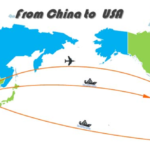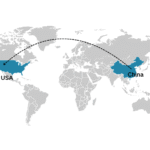
Shipping goods from China to the USA is the lifeline of thousands of businesses, from Amazon FBA sellers to large-scale distributors. However, the game has changed. It’s no longer just about booking a container; it’s about navigating Section 301 tariffs, choosing between Fast Sea (Matson) vs. Standard Sea, and managing strict CBP compliance.
As a freight forwarder with over 15 years of experience handling logistics between China and North America, we at Dantful International Logistics have seen it all—from the panic of detained cargo due to wrong HS Codes to the competitive edge gained by using “Mason CLX” service for 11-day delivery.
Whether you are shipping your first pallet of electronics or your hundredth container of furniture, this guide goes beyond the basics. We will break down the entire process into 7 actionable steps, injecting real-world strategies to help you cut costs and clear US Customs without penalties.
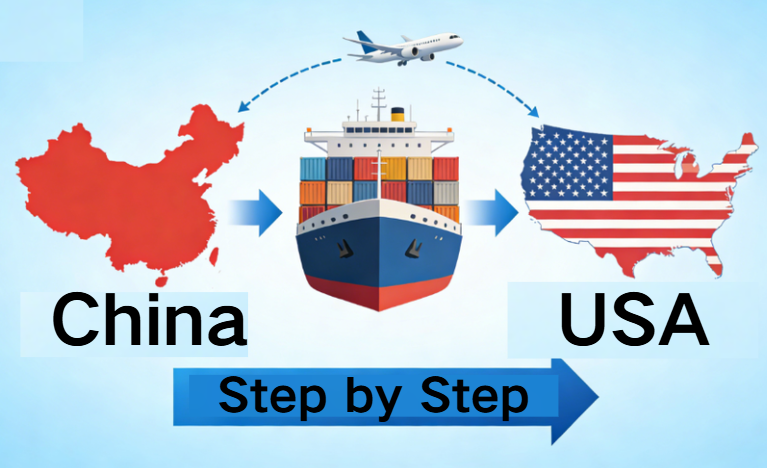
Overview of Shipping from China to the USA
The trade route between China and the US is the world’s most critical supply chain artery. Successfully navigating it requires a strategic understanding of “Landed Cost”—the total cost of a product once it arrives at your door, not just the factory price.
Before you contact a supplier or a freight forwarder, you need to answer three critical questions:
- What is the real volume? (CBM determines if you need LCL, FCL, or a “Special Line” consolidation).
- What is your “Must-Arrive” date? (This decides if you pay for Matson/ZIM or stick to COSCO/EMC).
- Who carries the risk? (Defining liability with Incoterms is crucial for insurance claims).
Let’s dive into the step-by-step process to ensure your shipment arrives safely and on budget.
Step 1: Understand Incoterms Before Leaving the Chinese Factory
International Commercial Terms (Incoterms) define the responsibilities of buyers and sellers. Choosing the wrong Incoterm is the #1 reason for unexpected “local charges” in the US.
EXW (Ex Works): You are responsible for everything from the factory door in China. Expert Note: Only use EXW if you have a trusted forwarder like Dantful who can handle the trucking in China. Otherwise, the factory might overcharge you for “handling.”
FOB (Free on Board): The industry standard. Your supplier handles transport to the Chinese port and export clearance. You take over from there. This gives you control over the ocean freight cost without the headache of Chinese domestic logistics. Learn more about FOB shipping from China to US.
DDP (Delivered Duty Paid): The “Hands-Off” option. The forwarder handles shipping, duties, and delivery.
- Critical Warning for B2B: If you are a registered US business, be careful with DDP. If the forwarder imports under their bond, you may not be able to deduct the import VAT or prove legal import for tax purposes. Always ask if the DDP service is “LDP” (Landed Duty Paid) or true DDP using your Importer of Record (IOR) number. What is Delivered Duty Paid (DDP)?
Pro Tip: We often recommend FOB for experienced buyers to control costs, and Dantful’s DDP Special Line for Amazon FBA sellers, where we handle the complex appointment booking.
Step 2: Choose the Best Shipping Method (Sea, Air, or Express)
Selecting the right mode is a trade-off between Speed, Cost, and Cash Flow.
1. Sea Freight (Ocean Freight)
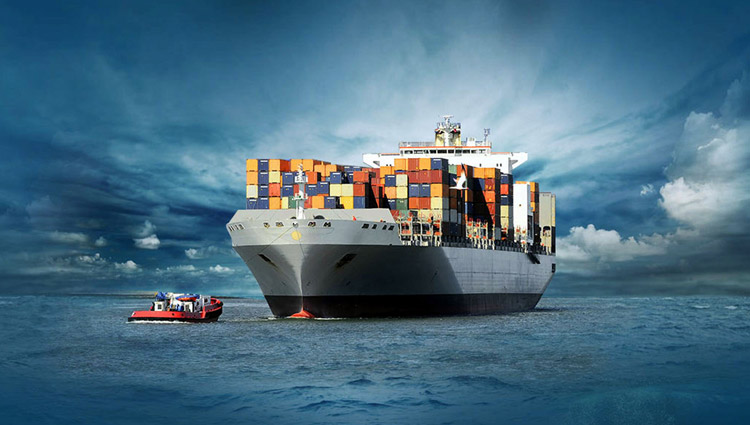
This is the backbone of trade. But did you know there are two “speeds” of sea freight?
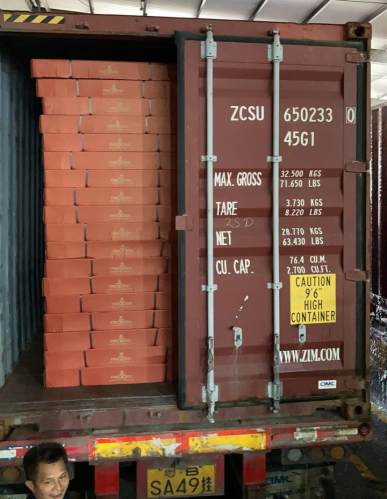
Fast Sea (Matson/ZIM): The “Champagne” of sea freight. Ships from Shanghai to Long Beach in 11-12 days. It has its own dedicated terminal (CLX), avoiding port congestion. Ideal for e-commerce sellers who need stock fast but can’t afford air freight.
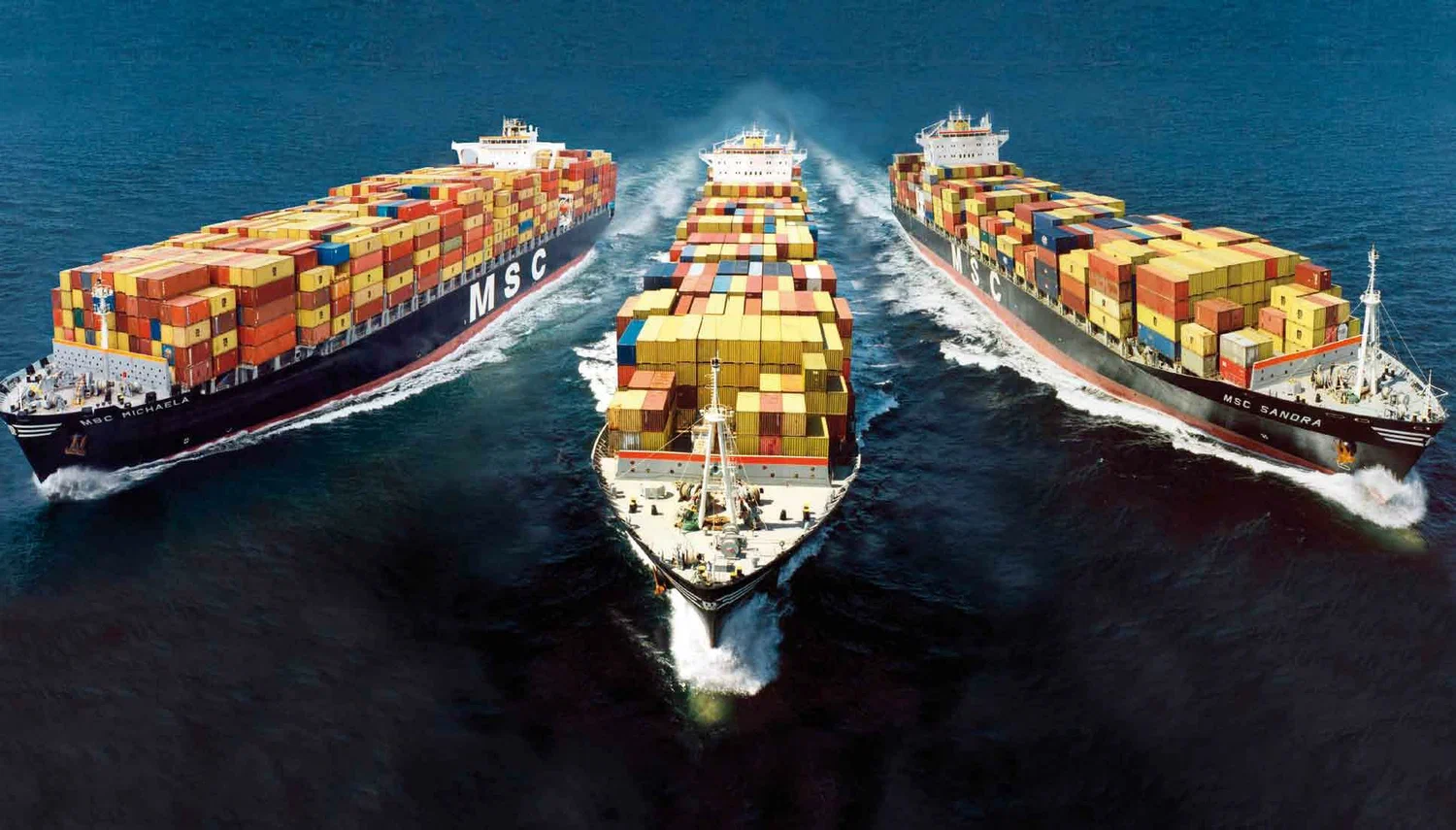
Standard Sea (COSCO/EMC/OOCL): The “Economy” option. Transit time is 18-25 days to the West Coast. Best for heavy, low-margin goods where every dollar of cost matters.
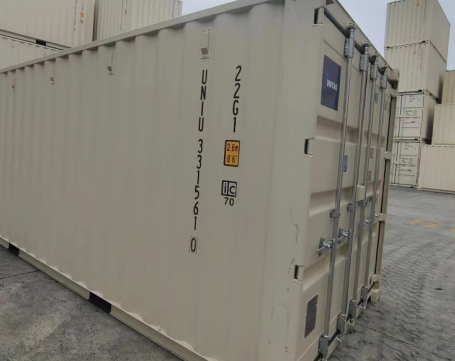
- FCL (Full Container Load): You rent the entire container (20ft/40ft/40HQ). Container shipping costs from China to USA.
- LCL (Less than Container Load): You share space. Warning: LCL destination fees (CFS charges) in the US can be high. Always compare the total landed cost of 15 CBM LCL vs. a 20ft FCL. What is LCL and FCL in shipping?
2. Air Freight
Best for shipments between 150 kg and 500 kg, or high-value electronics.
- Standard Air: Flies on passenger planes (belly cargo). Cheaper but subject to flight cancellations.
- Air Charter: Dedicated cargo planes. Expensive but guaranteed capacity.
- Ideal for: New product launches or emergency restocking. Air freight from China to USA.
3. Express Shipping (Courier)
Carriers like DHL, FedEx, and UPS.
- Best for: Samples and small parcels under 150 kg (or < 0.5 CBM).
- Speed: 2-5 days door-to-door.
- Customs: Courier companies have their own brokers, making clearance faster for low-value goods. FedEx shipping from China to USA.
Step 3: Calculate Shipping Costs and Avoid Hidden Fees
The “freight rate” is just the tip of the iceberg. A professional importer calculates the Total Landed Cost.
Ocean/Air Freight Charge: The base cost (e.g., $4000/40HQ).
Local Charges in China: Origin handling, documentation, license fees.
Destination Charges in USA (The Hidden Killers):
- MPF (Merchandise Processing Fee): 0.3464% of cargo value (Min $31.67, Max $614.35).
- HMF (Harbor Maintenance Fee): 0.125% of cargo value (Sea freight only).
- Chassis Fee: Daily rental fee for the trailer chassis to move the container.
Customs Duties: Based on HS Code. Watch out for Section 301 Tariffs (additional 25% on many Chinese goods).
Last Mile Delivery: Trucking fuel surcharges are real.
Hidden Fee Alert: Be aware of PSS (Peak Season Surcharge) in Q4 and GRI (General Rate Increase). Always ask Dantful for an “All-In” DDP quote if you want to fix your costs upfront.
Step 4: Estimate Transit Times from China to the USA
Time is money. Here is the realistic breakdown for 2026:
| Shipping Method | Route (e.g., Shanghai to LA/NY) | Port-to-Port Time | Door-to-Door (Est.) |
|---|---|---|---|
| Express | Door-to-Door | N/A | 3 – 5 Days |
| Air Freight | Airport-to-Airport | 1 – 3 Days | 5 – 8 Days |
| Fast Sea (Matson) | China to Long Beach (CLX) | 11 Days | 18 – 22 Days |
| Standard Sea (West) | China to LA/Oakland | 16 – 22 Days | 30 – 35 Days |
| Standard Sea (East) | China to NY/Savannah | 30 – 40 Days | 45 – 55 Days |
Note: “Door-to-Door” includes customs clearance, port handling, and final truck delivery. Delays often happen at the US warehouse, not on the ship.
Step 5: Prepare Essential Shipping Documents
Missing paperwork results in “Customs Holds,” which incur daily storage fees.
- Commercial Invoice: Must be accurate. Undervaluing goods to save tax is illegal and can lead to blacklisting by CBP.
- Packing List: Must match the physical count exactly.
- Bill of Lading (B/L): The “Title” to your goods. Telex Release is faster than sending original paper BLs.
- Certificate of Origin: Required for certain goods.
- ISF 10+2 Form: Critical for Ocean Freight. Must be filed 24 hours before the ship leaves China. Late filing = $5,000 fine.
For specific products like medical devices (FDA), children’s toys (CPSC), or electronics (FCC), additional certifications are mandatory. Dantful’s compliance team reviews these before shipping to prevent rejection.
Step 6: Navigate US Customs Clearance and Duties Seamlessly
US Customs and Border Protection (CBP) is strict.
Customs Bond: You legally cannot import shipments valued over $2,500 without a bond.
- Single Entry Bond: For one-time shipments.
- Continuous Bond: Cost-effective if you ship 3+ times a year.
Section 321 (De Minimis): Shipments under $800 may enter duty-free. This is a massive advantage for e-commerce direct-to-consumer parcels.
HTS Code Classification: The difference between 0% duty and 25% duty often lies in the correct HTS code classification.
At Dantful, our Customs Clearance team handles ISF filing and duty calculation, ensuring you don’t overpay or trigger an audit.
Step 7: Arrange Final Delivery to Your US Warehouse or Amazon FBA
Once goods clear customs, the “Last Mile” begins.
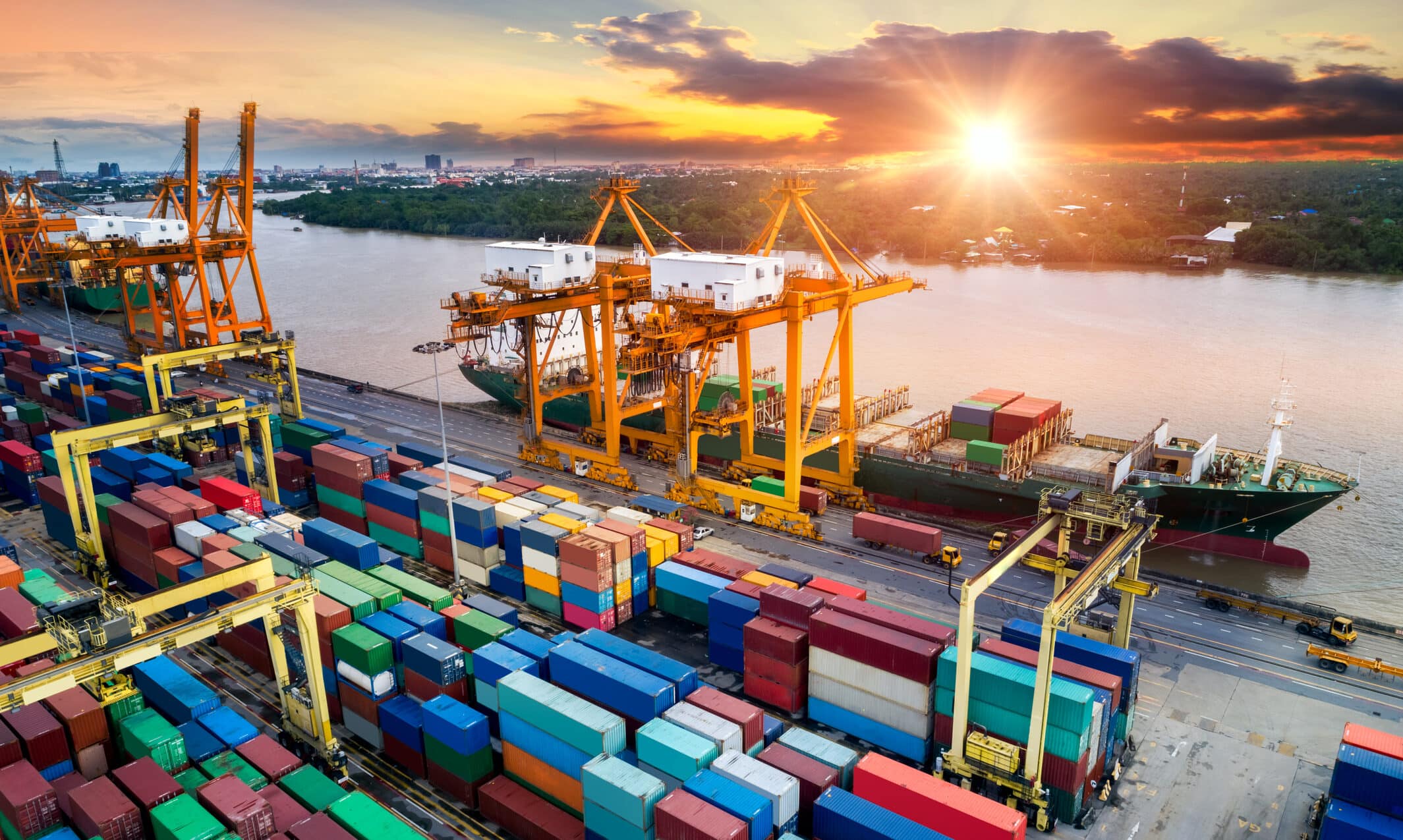
FCL Delivery: The container is trucked to your dock. Live Unload means the driver waits (usually 1-2 free hours). Drop & Pick means they leave the container and pick it up days later (costs more).
Amazon FBA Delivery: Amazon has strict requirements.
- Floor Loaded: Boxes stacked loosely (labor-intensive to unload).
- Palletized: Goods on standard 48×40″ pallets. Preferred by Amazon.
- We specialize in shipping from China to Amazon FBA USA, ensuring appointment booking via Carrier Central.
Pro Tips to Reduce Costs and Prevent Shipping Delays
- Consolidate Shipments (Buyer’s Consolidation): Buying from 5 factories? Don’t send 5 LCL shipments. Use Dantful’s warehouse to combine them into one FCL container. You save on 5 sets of destination fees.
- Ship “Off-Peak”: Avoid the pre-CNY rush (January) and the holiday peak (Sept-Nov) if possible. Rates can double during these times.
- Optimize Packaging: Freight is charged on “Chargeable Weight” (Dim Weight). Reducing box size by 2cm can sometimes save hundreds of dollars.
- Insure Your Cargo: Cargo damage happens. Insurance services cost a fraction (usually 0.1-0.3%) of the goods’ value but cover “General Average” declarations.
Why Partner with Dantful International Logistics for USA Shipments
Shipping from China to the USA doesn’t have to be a gamble. At Dantful International Logistics, we act as your supply chain architect.
- Cost-Effective: We have contracts with Matson, COSCO, and CZ Airlines to offer the best shipping rates from China to USA.
- One-Stop Solution: From Product Sourcing to Customs Brokerage to Door-to-Door Delivery, we handle the complexity.
- Expertise: Our specialized teams handle Dangerous Goods (Class 9), Oversized Cargo (OOG), and Amazon FBA with precision.
Ready to streamline your supply chain? Contact Dantful today for a free, transparent quote that includes all hidden fees upfront.
FAQs: Shipping from China to the USA
1. What is the cheapest way to ship from China to the USA? Sea freight (LCL) is generally the cheapest for shipments between 2-15 CBM. However, for “dense” cargo (heavy but small), air freight can sometimes be competitive. Always compare “Total Landed Cost.”
2. How much does it cost to ship a 40ft container from China to the USA? Rates fluctuate weekly. As of 2026, a 40HQ to the West Coast ranges from $3,000 – $6,000 depending on the season (Peak vs. Slack). Check our shipping cost guide for live updates.
3. Can I ship directly to Amazon FBA? Yes. You cannot just send a container to Amazon; it will be rejected. You need a forwarder like Dantful to receive the cargo at a US port, palletize it according to FBA standards, and book a delivery slot.

Young Chiu is a seasoned logistics expert with over 15 years of experience in international freight forwarding and supply chain management. As CEO of Dantful International Logistics, Young is dedicated to providing valuable insights and practical advice to businesses navigating the complexities of global shipping.