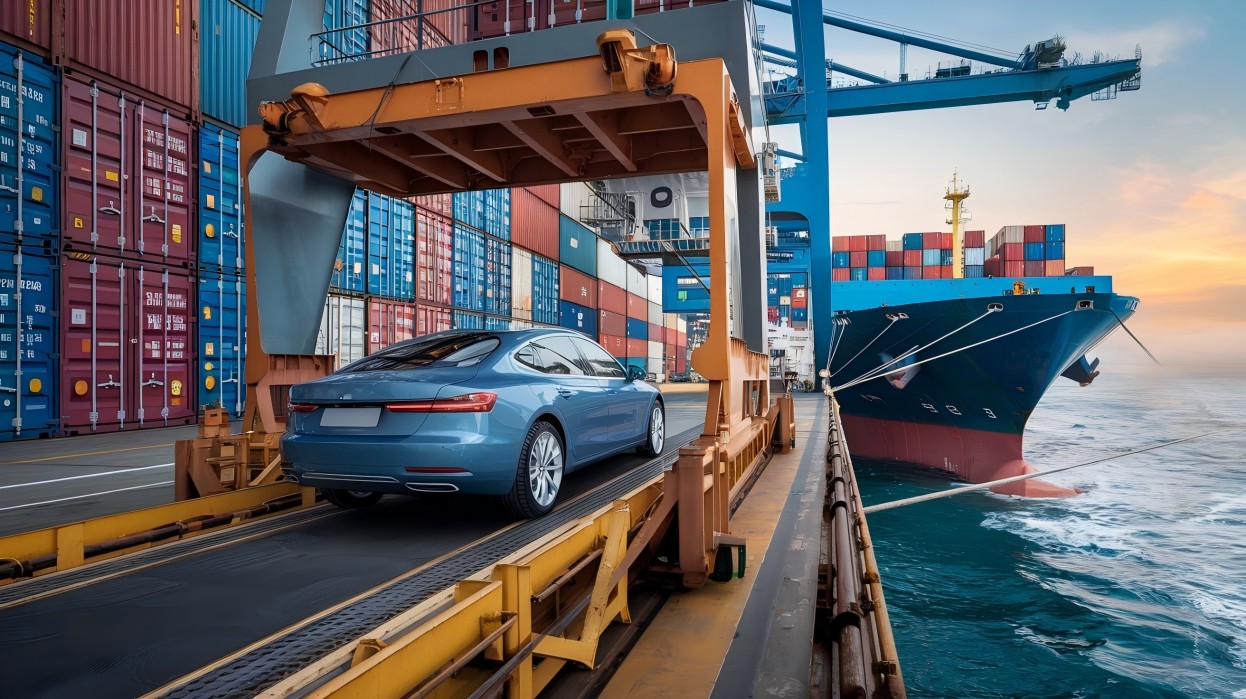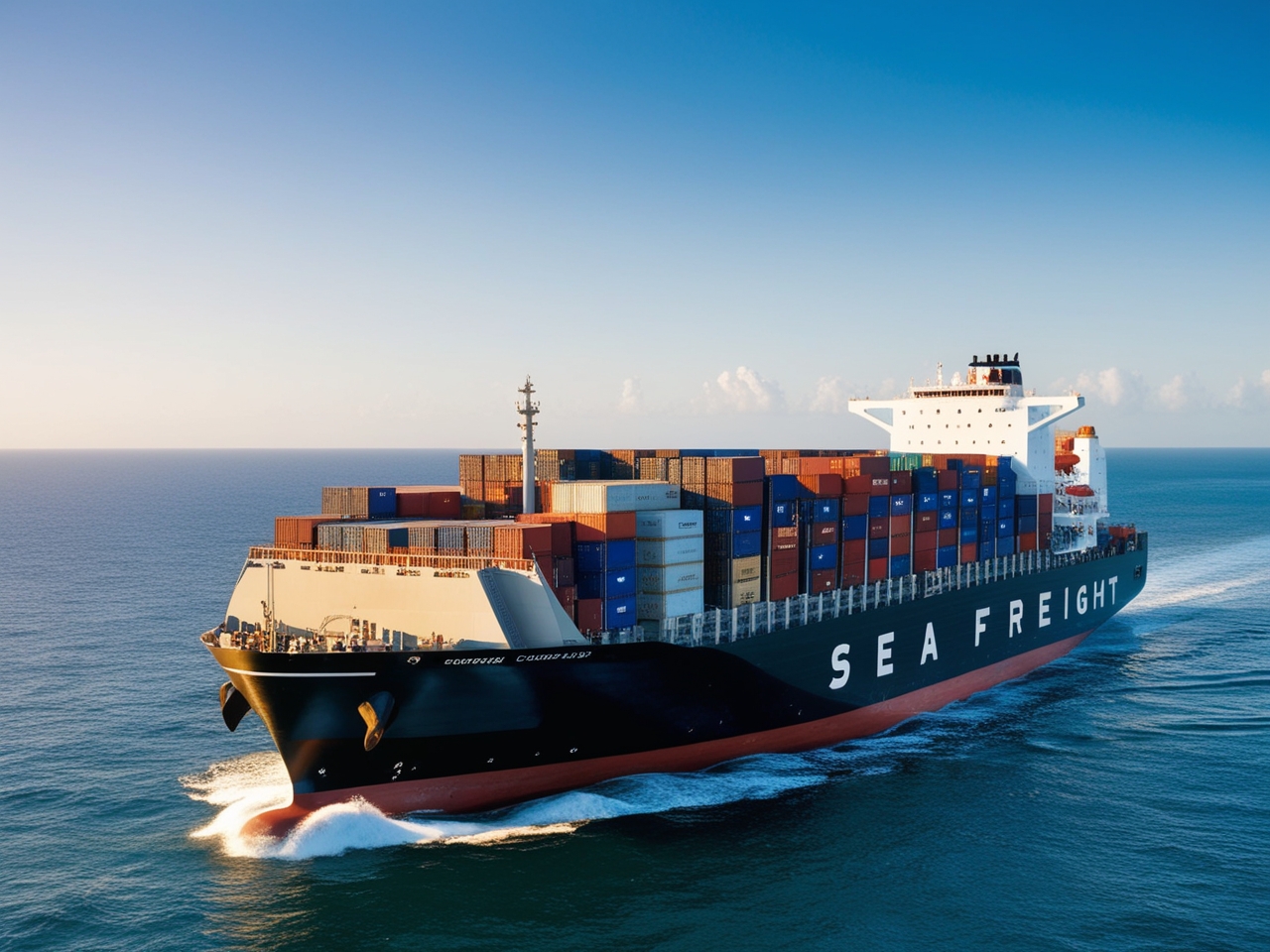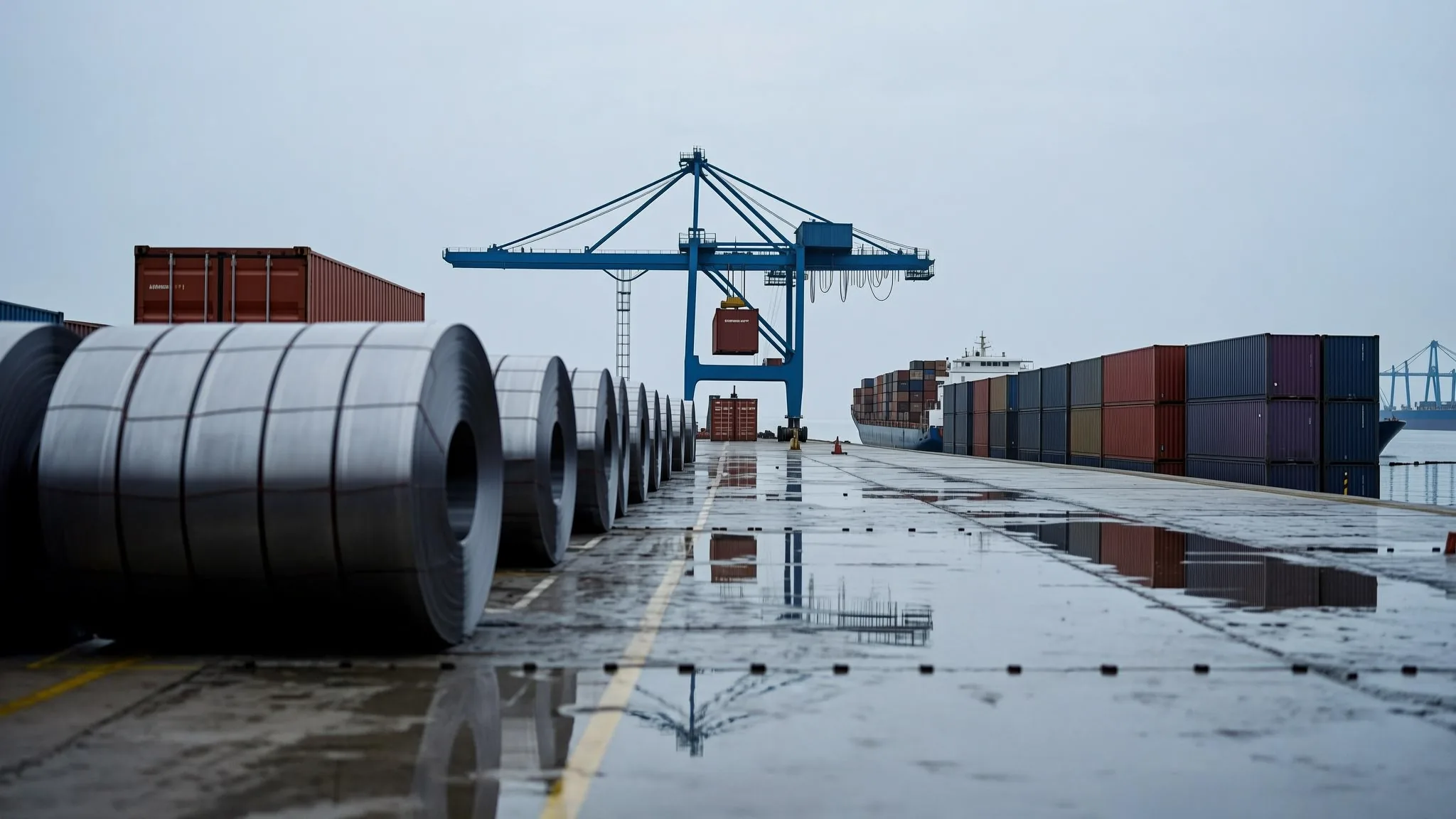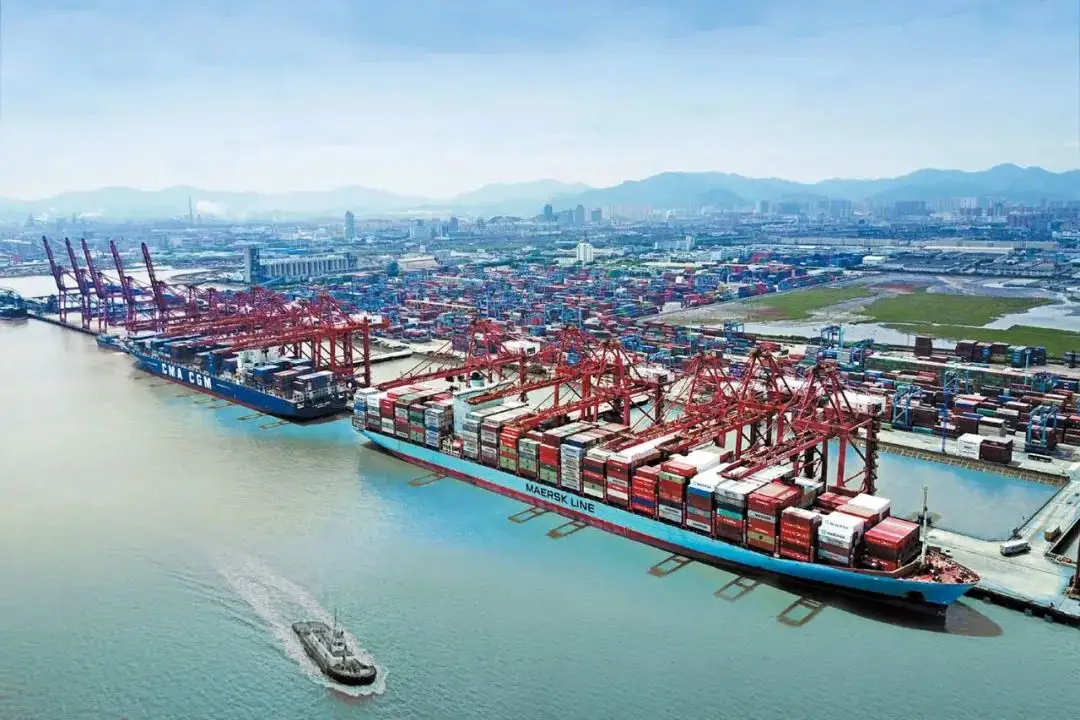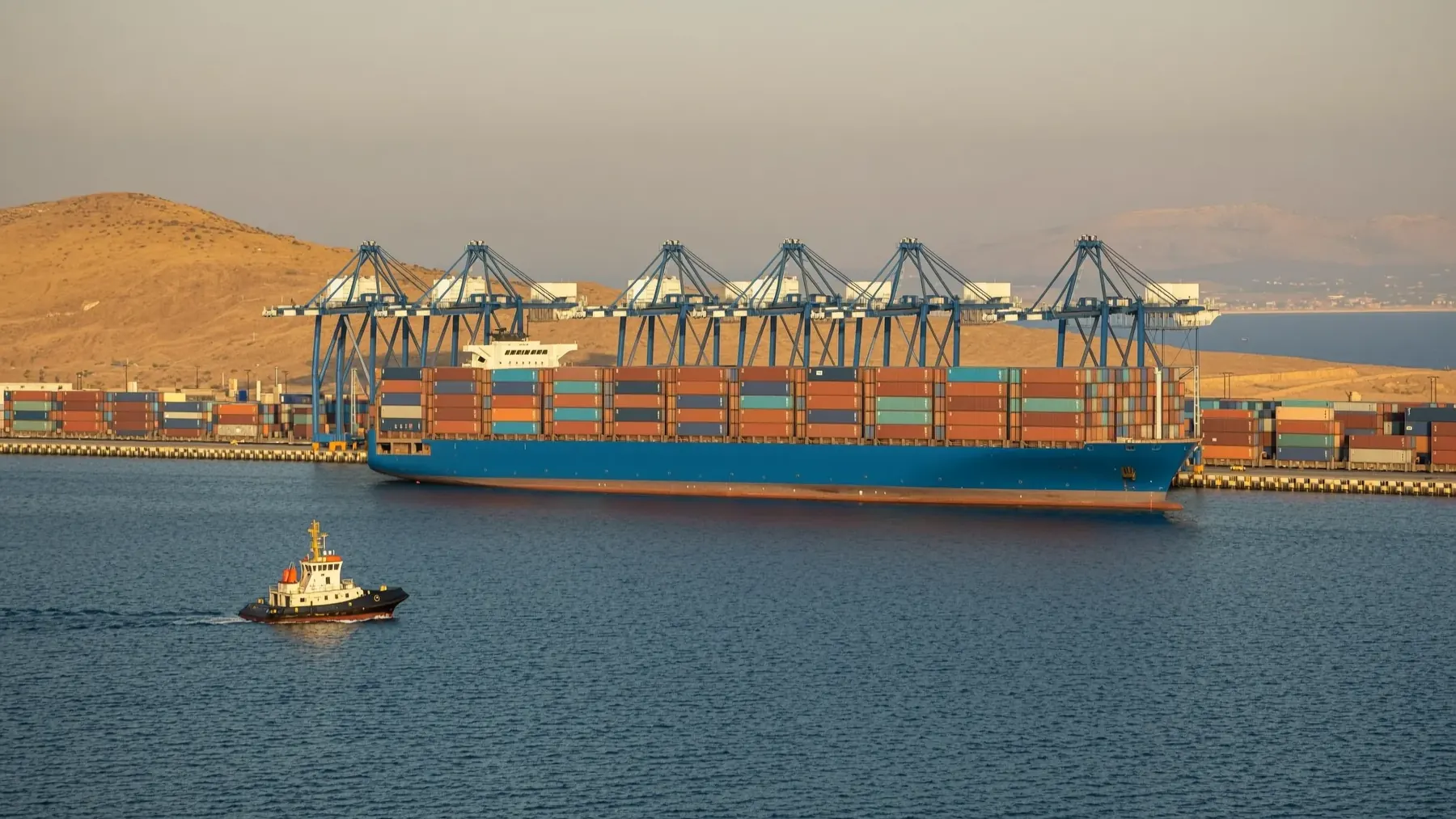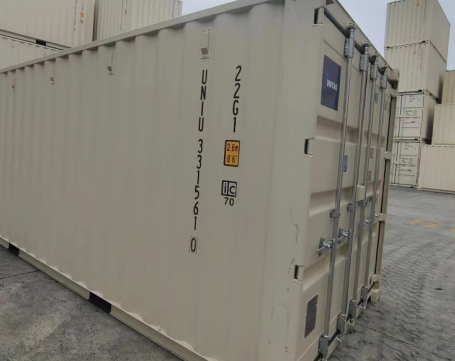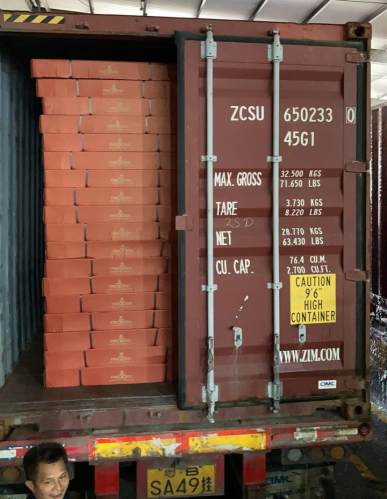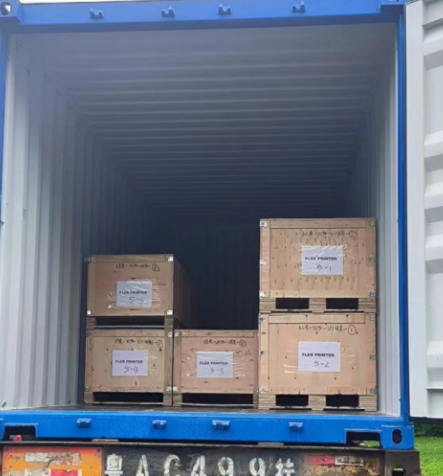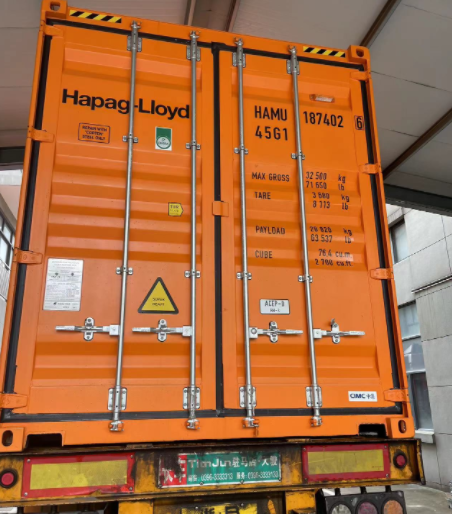
China’s energy storage exports are surging. In H1 2025 alone, Chinese manufacturers secured over 160 GWh of overseas BESS orders — a 220% year-over-year jump — and closed the year with 366 GWh in new international contracts, up 144% from 2024. The world is buying Chinese ESS at an unprecedented pace. But there’s a problem most first-time buyers don’t anticipate: shipping an energy storage system from China is nothing like shipping ordinary cargo.
Every unit — a 45-ton containerized BESS (Battery Energy Storage System), a 200 kWh commercial cabinet, or a 10 kWh residential Powerwall — contains lithium-ion batteries. That makes it Class 9 Dangerous Goods (DG) under the IMDG Code. Your shipment faces UN38.3 testing, DG packaging certification, maritime dangerous goods declaration, port-specific SOC (State of Charge) limits, and destination compliance that swings from UL 9540 in the US to SASO in Saudi Arabia. Get one link wrong, and your cargo sits at port accruing demurrage while your project timeline slips.
We’ve spent 15 years helping importers get it right. This guide walks you through the full process of shipping energy storage systems from China — product classification, regulatory documentation, transport mode selection, cost estimation, export procedures, destination clearance, and DDP door-to-door delivery. Everything that follows is drawn from real operations out of Shenzhen, Shanghai, Xiamen, and every major Chinese DG-capable port.
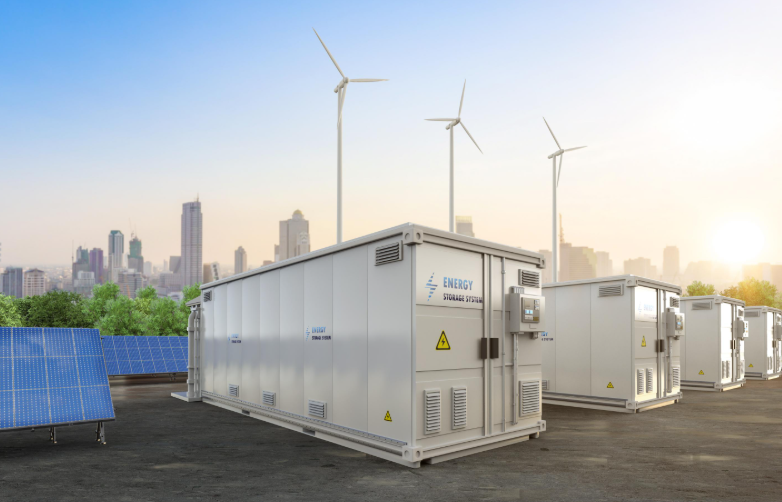
Understanding Energy Storage Systems: Types, UN Classifications & Shipping Implications
Before you book a single container, you need to know exactly what you’re shipping. The UN number assigned to your cargo determines everything: packaging requirements, carrier acceptance, DG surcharge costs, and whether your shipment can even go by air.
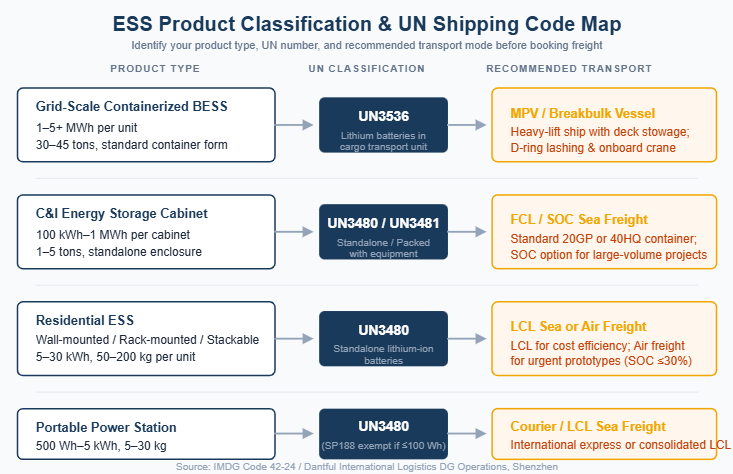
Grid-Scale Containerized BESS (UN3536)
These are the heavyweights — complete energy storage systems pre-installed in 20ft or 40ft containers, packing 1 to 5+ MWh per unit and weighing 30 to 45 tons each. Under the IMDG Code, they fall under UN3536 (“lithium batteries installed in a cargo transport unit”).
The shipping challenge is weight plus DG classification. A 45-ton unit exceeds the payload limit of most standard container vessels, which is why the industry is shifting fast toward multipurpose vessels (MPV) and heavy-lift ships with reinforced decks and onboard cranes. In June 2026, COSCO’s heavy-lift vessel Da Xiang delivered 54 such units — each 41.5 tons — to Colombo, Sri Lanka, using D-ring welded lashing points across the upper deck.
If your BESS fits within standard container dimensions and weight limits, FCL (Full Container Load) or SOC (Shipper-Owned Container) works. If not, you’ll need an MPV or breakbulk solution.
Commercial & Industrial (C&I) Energy Storage Cabinets (UN3480/UN3481)
C&I systems come in standalone cabinets — 100 kWh to 1 MWh, 1 to 5 tons each. These almost exclusively use LFP (LiFePO4) chemistry, valued for thermal stability and longer cycle life.
The key distinction for C&I cabinets:
- UN3480: Standalone lithium-ion batteries. The stricter classification — full DG declaration required, air freight limited to cargo aircraft only.
- UN3481: Batteries packed with or contained in equipment. If your cabinet ships as an integrated unit (batteries + inverter + BMS in one enclosure), it may qualify, which can mean relaxed packaging and labeling — though DG declaration is still mandatory.
At Dantful, we’ve found that getting this classification right at the factory — with a proper transport condition identification report from a certified lab — prevents roughly 80% of booking rejections.
Residential Energy Storage (Wall-Mounted / Rack-Mounted / Stackable)
The residential ESS market has moved well beyond the Powerwall template. Today’s imports fall into three form factors:
| Form Factor | Typical Capacity | Weight | UN Classification | Air Freight Viability |
|---|---|---|---|---|
| Wall-mounted (Powerwall-type) | 5–15 kWh | 50–150 kg | UN3480 | Feasible for small quantities (cargo aircraft only) |
| Rack-mounted (server-rack style) | 2.5–5 kWh per module | 25–50 kg per module | UN3480 | Feasible for sample/prototype quantities |
| Stackable modular (tower configuration) | 5–30 kWh assembled | 50–200 kg total | UN3480 | Limited — typically sea freight |
Because these units are compact, LCL (Less than Container Load) sea freight is cost-effective, and air freight works for urgent prototypes or warranty replacements — assuming SOC ≤30% and full IATA DGR Section I compliance.
Portable Power Stations & Small Accessories
Portable power stations (500 Wh to 5 kWh) and accessories may qualify for Section II / SP188 exemptions under the IMDG Code if individual battery capacity is ≤100 Wh. This waives the DG Packaging Certificate requirement — though a valid UN38.3 report and proper labeling (lithium battery handling mark, Wh rating) remain mandatory.
Product Type to Transport Mode: Quick-Reference Map
| Product Type | UN Number | Typical Unit Weight | Primary Transport | Alternative |
|---|---|---|---|---|
| Grid-scale containerized BESS | UN3536 | 30–45 tons | MPV / Breakbulk | FCL (if ≤30t & standard dims) |
| C&I energy storage cabinet | UN3480 / UN3481 | 1–5 tons | FCL (20GP/40HQ) | LCL (single units) |
| Wall-mounted residential | UN3480 | 50–150 kg | LCL / FCL consolidated | Air freight (≤35 kg/piece, cargo only) |
| Rack-mounted battery module | UN3480 | 25–50 kg | LCL | Air freight |
| Portable power station | UN3480 (exempt ≤100 Wh) | 5–30 kg | International courier / LCL | Air freight |
Regulatory Compliance: The Critical First Step Before Shipping ESS from China
If there’s one thing to remember: documentation is your cargo’s passport, not paperwork. Without it, your ESS shipment won’t leave China.
UN38.3 Certification: The Non-Negotiable Foundation
UN38.3 refers to Section 38.3 of the UN Manual of Tests and Criteria, which mandates eight tests before lithium batteries can be transported internationally:
| Test | Description | What It Verifies |
|---|---|---|
| T1 | Altitude simulation | Low-pressure safety (air transport simulation) |
| T2 | Thermal test | Extreme temperature cycling tolerance |
| T3 | Vibration | Mechanical integrity under transport vibration |
| T4 | Shock | Impact durability |
| T5 | External short circuit | Safety under electrical fault conditions |
| T6 | Impact / crush | Physical abuse tolerance |
| T7 | Overcharge | Overcharging safety |
| T8 | Forced discharge | Deep discharge safety |
Testing must be done by a CNAS-accredited laboratory in China. Every battery model needs its own report — you can’t use one model’s test report for a different variant.
Field lesson: The #1 cause of DG declaration rejection at Chinese ports is a mismatch between the UN38.3 report and the actual battery model. We’ve seen a manufacturer change cell suppliers mid-production without updating the test report — the container got held at Yantian for three weeks. Always verify the UN38.3 report covers exactly the battery you’re shipping before the container leaves the factory.
MSDS/SDS: The 16-Section Safety Profile
The MSDS (Material Safety Data Sheet) — also called SDS under the GHS — is a 16-section document profiling your battery’s physical, chemical, and transport safety characteristics. For DG shipping, two sections matter most:
- Section 9 (Physical and Chemical Properties): Defines form, voltage, energy density, and thermal characteristics.
- Section 14 (Transport Information): Specifies UN number, proper shipping name, hazard class (Class 9), packing group, and special provisions.
Customs and carriers cross-validate your DG declaration against the MSDS. If Section 14 doesn’t match your transport condition identification report, expect delays.
DG Packaging: P903, P911 & the DG Packaging Certificate
The IMDG Code specifies two key packaging instructions for lithium batteries:
- P903: General packaging for undamaged batteries — UN-certified outer packaging (marked “UN 4G/X…”), internal cushioning, and short-circuit protection (terminals insulated).
- P911: For damaged or defective batteries — stricter requirements for individual isolation, absorbent material, and gas venting. Rare for new ESS shipments; relevant for warranty returns.
The uniquely Chinese regulatory hurdle is the DG Packaging Certificate (Export Dangerous Goods Packaging Use Inspection Result). Issued by China Customs after a mandatory two-stage process, it’s the single document standing between your ESS shipment and Chinese export clearance:
- Stage 1 — Packaging Performance Test: Conducted by the packaging manufacturer. Tests physical durability (drop, stack, leakproof). Results in a Performance Inspection Result valid for 12 months.
- Stage 2 — Packaging Usage Inspection: Conducted by the battery manufacturer. Verifies correct packaging use for the specific product. Results in the final DG Packaging Certificate, valid 12 months (sea) or 3 months (air).
Without this certificate, your shipment cannot complete maritime DG declaration or China export clearance. Smaller batteries (≤100 Wh packs, ≤20 Wh cells) may qualify for Section II / SP188 exemptions, waiving the certificate — but UN38.3 and correct labeling remain mandatory.
SOC (State of Charge) Limits: Port-by-Port Reality
Fully charged lithium batteries pose a higher thermal runaway risk in transit. Every major Chinese port enforces SOC (State of Charge) limits for maritime DG shipments:
| Port | Typical SOC Limit | Notes |
|---|---|---|
| Xiamen | ≤30% | Strictest enforcement; China’s first city with a dedicated lithium battery shipping model contract (2025) |
| Shenzhen (Yantian/Shekou) | ≤30–50% | Varies by carrier; confirm at booking |
| Shanghai (Yangshan/Waigaoqiao) | ≤30–50% | Carrier-dependent; tighter in peak season |
| Ningbo (Zhoushan) | ≤30–50% | Growing DG cargo handling capability |
| Qingdao / Tianjin | ≤30–50% | Carrier-dependent |
For air freight under IATA DGR, SOC ≤30% is mandatory with no exceptions. Always confirm the exact limit with your forwarder for your specific port, carrier, and season — limits tighten during peak months (August–November).
IMDG Code 2026 Updates
The IMDG Code Amendment 42-24 took mandatory effect in 2026, adding new UN numbers — UN3556, UN3557, UN3558 — for battery-powered vehicles and equipment. While aimed at EVs, shippers of integrated EV charging + storage systems should verify whether their cargo falls under these classifications. If your forwarder’s DG specialist can’t explain the 42-24 amendment, find a new forwarder.
Sea Freight vs Air Freight vs Rail: Choosing the Right Transport Mode for ESS
There’s no single “best” way to ship ESS. The right mode depends on your product, volume, timeline, and budget. What matters is knowing the trade-offs.
Sea Freight: The Workhorse (FCL / LCL / SOC / Breakbulk)
Sea freight carries well over 90% of ESS shipments out of China. Here’s how the options break down:
- FCL (Full Container Load): You book an entire container — 20GP, 40HQ, or 40NOR (reefer for temperature-sensitive units). Cost-efficient when you fill most of a container. DG surcharge applies.
- SOC (Shipper-Owned Container): You use your own container, pre-loaded and sealed at the factory. Eliminates container shortage risk during peak season and trims port DG storage charges. HUIN Logistics’ landmark project — 100 × 20HQ SOC from Yantian to Los Angeles, each carrying 31.8 tons — shows why large-scale projects favor SOC.
- OOG (Out of Gauge) / Breakbulk / MPV: When your BESS exceeds standard container dimensions or the 30-ton gross weight limit, containerized shipping isn’t an option. COSCO’s Da Xiang delivery of 54 × 41.5-ton units to Sri Lanka (June 2026) illustrates the shift to heavy-lift multipurpose vessels with D-ring lashing and deck loading.
- LCL (Less than Container Load): Your cargo shares a container. Viable for smaller cabinets and residential systems, but many carriers restrict DG co-loading — your cargo may only consolidate with other Class 9 goods, limiting availability.
Sea freight transit time benchmarks (port-to-port):
| Route | Transit Time |
|---|---|
| China to US West Coast (Los Angeles/Long Beach) | 26–30 days |
| China to US East Coast (New York/Houston) | 35–45 days |
| China to Europe (Rotterdam/Hamburg/Antwerp) | 30–40 days |
| China to Middle East (Jeddah/Dubai) | 20–25 days |
| China to Australia (Sydney/Melbourne/Brisbane) | 15–20 days |
Air Freight: Speed at a Price — and with DG Strings Attached
Air freight is available, but with tight restrictions. Under IATA DGR:
- UN3480 (standalone lithium-ion batteries) is restricted to cargo aircraft only — no passenger aircraft.
- Per-piece weight limits typically apply (<35 kg per piece for most carriers).
- SOC must be ≤30%, verified and documented.
- The DG surcharge for air freight can exceed the base freight rate itself for Class 9 cargo.
Best for: Urgent prototypes, warranty replacements, trade show samples, and small residential units where 3–7 day transit justifies the 5–10× premium over sea freight.
China-Europe Railway Express: The Emerging Middle Ground
For time-sensitive deliveries to Europe, Central Asia, or Russia, rail freight via the China-Europe Railway Express offers 15–20 day transit — roughly half of sea freight — at about 40–60% of air freight cost. The catch: DG acceptance varies wildly by operator. Some lines refuse all lithium batteries; others accept UN3480 with full documentation. Always confirm DG acceptance before planning a rail shipment.
Transport Mode Decision Matrix
| Mode | Cost | Transit (Door-to-Door) | Weight/Size Limit | Best For |
|---|---|---|---|---|
| Sea FCL | $ | 35–50 days | Container max payload | C&I cabinets, mid-volume residential |
| Sea SOC | $–$$ | 35–50 days | Container + SOC weight rating | Large-scale C&I and containerized BESS |
| Sea LCL | $$ (per CBM) | 35–50 days | Per DG co-loading rules | Single residential units, samples |
| Sea MPV/Breakbulk | $$$ | 40–60 days | Vessel-dependent | 30+ ton containerized BESS |
| Air Freight | $$$$ | 5–10 days | ≤35 kg/piece (typically) | Urgent prototypes, small residential |
| China-Europe Rail | $$–$$$ | 20–30 days | Container | C&I to Europe/Central Asia |
How Much Does It Cost to Ship Energy Storage Systems from China?
No reputable forwarder quotes a firm price without seeing your cargo specs, but knowing the cost structure helps you budget and spot quotes that look too good to be true.
Freight Cost Components
A complete ESS ocean freight quote typically comprises:
| Cost Component | Typical Range | Notes |
|---|---|---|
| Base ocean freight | Market-rate (fluctuates weekly) | Index-linked; varies by route and season |
| DG surcharge (Hazardous Cargo Surcharge) | $150–$500 per container | Carrier-specific; Class 9 surcharge |
| BAF (Bunker Adjustment Factor) | Variable | Fuel price-linked |
| Peak Season Surcharge (PSS) | $200–$800 per container | Aug–Nov peak |
| Port security / documentation fees | $50–$150 | Per shipment |
| China-side DG trucking | $300–$800 | Factory to port; DG-licensed vehicles only |
| China customs brokerage | $150–$400 | Per declaration |
| Maritime DG declaration fee | $50–$150 | Filed with local MSA |
| Destination customs clearance | $300–$800 | Varies by country and cargo value |
| Destination last-mile trucking | $500–$2,000+ | Heavy units may need flatbed/lowboy/crane |
Hidden Costs First-Time Shippers Miss
- DG port storage surcharge: 2–4× standard rates for DG-designated yard space during inspection holds.
- Demurrage & detention: DG cargo often takes 2–3 extra days for clearance — detention kicks in right after free time expires.
- ISF/AMS corrections: Late or inaccurate ISF for US-bound cargo triggers fines and potential holds.
- Insurance gaps: Standard policies may exclude DG incidents. A single BESS unit can be worth $100,000–$300,000 — an uninsured loss is catastrophic. Request All-Risk at 110% CIF value with explicit DG coverage.
Cost-Saving Strategies (Without Cutting Corners)
- Consolidate into FCL — per-unit cost drops sharply once you fill a container, versus shipping LCL piecemeal.
- Book 3–4 weeks ahead, avoid Aug–Nov peak — DG slots get scarce and premiums spike during peak season.
- Use SOC containers for large projects — avoids carrier container shortages and reduces port DG storage time.
- Work with a forwarder holding direct carrier contracts — indirect bookings through second-tier agents layer margin at every step. Dantful’s direct contracts secure DG space at competitive rates — a real advantage when brokers get turned away in peak season.
Step-by-Step: The China Export Process for Energy Storage Systems
Understanding the China-side process demystifies your timeline.
Pre-Shipment Preparation (3–4 Weeks Before Target Sailing Date)
- Verify all DG documentation is current: UN38.3 report (correct battery model), valid MSDS (issued within 3 years), valid DG Packaging Certificate (check expiry — 12 months from issue), and transport condition identification report.
- Confirm SOC compliance at factory: Test SOC levels, document the results with photos and a signed inspection report, and confirm the port and carrier’s specific SOC limit in writing.
- Book DG cargo space early: DG slots are limited. Submit your booking 3–4 weeks before your target sailing date. During peak season, some carriers stop accepting Class 9 DG bookings weeks in advance.
- Prepare packaging per IMDG P903: Ensure UN-certified outer packaging, correct Class 9 hazard labels (black-and-white diamond, 100mm minimum), UN number (e.g., “UN 3480”), and lithium battery handling marks are all affixed, durable, and weather-resistant.
Factory to Port: DG Trucking
This step trips up many first-timers. Regular trucking companies cannot legally transport Class 9 DG cargo in China. You need a DG-licensed carrier with:
- DG vehicle placarding on all four sides
- Driver DG Transport Qualification Certificate
- DG cargo insurance
A common scenario: the factory quotes a “door-to-port” price using their usual trucker — who refuses the load at the sight of Class 9 labels. Confirm your entire chain is DG-capable before pickup day.
Port Operations: Maritime DG Declaration & Customs
Two parallel processes happen at the port. For a complete walkthrough, see our customs clearance service overview:
Maritime DG Declaration: Filed with the local Maritime Safety Administration (MSA) 24–48 hours before vessel loading. Requires: MSDS + DG Packaging Certificate + transport condition identification report + DG cargo booking confirmation. A rejection at this stage means your container doesn’t load.
China Customs Export Declaration: HS code assignment (typically 8507.60 for lithium-ion accumulators), commercial invoice, packing list, contract. Random DG inspections happen — if customs selects your container for physical inspection, expect 2–5 extra working days plus inspection fees. Clean documentation sharply reduces your odds.
China’s Major DG Export Ports: Capability at a Glance
| Port | DG Capability | Key Carriers | Best Routes | Notes |
|---|---|---|---|---|
| Shenzhen (Yantian/Shekou) | China’s #1 ESS export hub | COSCO, Maersk, CMA CGM, Evergreen | US West Coast, Europe, Middle East | Adjacent to Guangdong ESS manufacturing cluster |
| Shanghai (Yangshan) | Highest DG throughput | COSCO, MSC, ONE | Global coverage | DG slots extremely tight in peak |
| Xiamen | Specialized lithium battery port | COSCO, PIL, X-Press Feeders | Middle East, Southeast Asia, South America | China’s first lithium battery shipping model contract (2025); 20,000+ TEUs handled H1 2025 |
| Ningbo (Zhoushan) | Growing DG capability | COSCO, Maersk | Europe, Mediterranean, US | First nickel-hydrogen BESS sea export achieved 2025 |
| Qingdao / Tianjin | DG capable | COSCO, MSC | Europe, US East Coast, Korea/Japan | Serves North China manufacturers |
Proximity matters. A Shenzhen or Dongguan supplier shipping through Yantian or Shekou eliminates 1,000+ km of DG trucking versus routing through Shanghai. It’s not just cost — it’s one less leg where something can go wrong.
Destination Country Import Requirements: USA, Europe, Australia & Middle East
Your paperwork isn’t complete until it meets destination-country standards. Here’s what importing energy storage systems from China requires in key markets — for a deeper dive, see our sea freight from China to USA, sea freight from China to Europe, and sea freight from China to Australia guides.
United States
Product compliance is among the strictest globally:
- UL 9540: Standard for Energy Storage Systems and Equipment — covers the complete ESS
- UL 9540A: Test method for evaluating thermal runaway fire propagation — increasingly demanded by AHJs (Authorities Having Jurisdiction) and fire departments
- UL 1973: Standard for stationary battery safety (cells and modules)
- FCC: Electromagnetic compatibility for any ESS with communication modules
On the import side:
- Section 301 tariffs on Chinese batteries remain — these contributed to a 90% drop in H1 2025 US orders (3.84 GWh, down from 38+ GWh the prior year)
- Customs bond is required for formal entries (declared value ≥$2,500)
- ISF (Importer Security Filing) “10+2” must be filed at least 24 hours before vessel departure from China
- 49 CFR Hazardous Materials Regulations govern domestic US onward movement after port clearance
- California Proposition 65: additional labeling for products sold or distributed in California
For DG-classified ESS shipments, working with a hazmat freight forwarder experienced in US import regulations is critical.
European Union
- CE marking: Low Voltage Directive (LVD) + EMC Directive — mandatory for market access
- REACH (Registration, Evaluation, Authorisation of Chemicals) and RoHS (Restriction of Hazardous Substances) compliance
- EU Battery Regulation (EU) 2023/1542: Phased enforcement from 2027 — digital battery passport, carbon footprint declaration, recycled content minimums, supply chain due diligence. Forward-thinking importers are already requiring these from Chinese manufacturers
- ADR (European Agreement concerning the International Carriage of Dangerous Goods by Road) for inland transport within Europe
- Import VAT varies by member state (approximately 19–27%); an EORI number is mandatory for all EU importers
Australia
- RCM (Regulatory Compliance Mark) required for electrical equipment
- Clean Energy Council (CEC) product listing for grid-connected ESS
- ISPM 15: Mandatory treatment and certification for all solid wood packaging (biosecurity regulation)
- ADG Code (Australian Dangerous Goods Code) for domestic transport after port clearance
- Key ports: Sydney, Melbourne, Brisbane, Newcastle — COSCO and AAL both maintain regular liner services
- See our complete shipping from China to Australia guide for full details
Middle East (Saudi Arabia, UAE)
- Saudi Arabia: SASO/IECEE Certificate of Conformity; SABER platform registration mandatory before shipment
- UAE (Dubai): ESMA certification; DDP terms common for Jebel Ali Free Zone deliveries
- Project logistics: Grid-scale BESS to remote desert sites needs flatbed or lowboy trailers for final delivery — not standard container chassis
Quick-Reference Destination Matrix
| Country/Region | Key Certifications | DG Import Regulation | Recommended Incoterm |
|---|---|---|---|
| USA | UL 9540/9540A, FCC | 49 CFR, Customs Bond | DDP (absorbs Section 301 complexity) |
| EU | CE, REACH, RoHS | ADR, EU Battery Regulation | DDP or DAP |
| Australia | RCM, CEC | ADG Code, ISPM 15 | DDP |
| Saudi Arabia | SASO/IECEE, SABER | GCC Dangerous Goods Code | DDP |
| UAE (Dubai) | ESMA | UAE DG transport regulations | DDP |
Choosing the Right Shipping Solution: DDP vs FOB vs EXW & Freight Forwarder Selection
The final strategic call: choosing your shipping term and logistics partner.
DDP (Delivered Duty Paid): The Turnkey Solution for ESS Importers
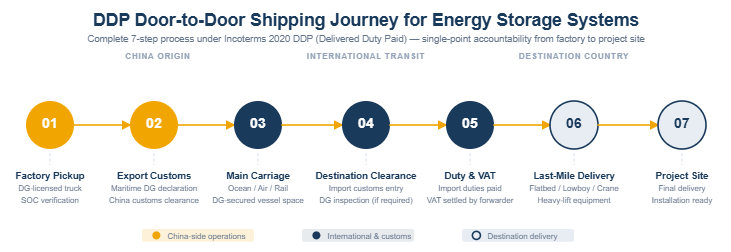
Under Incoterms 2020, DDP (Delivered Duty Paid) means the seller (or their forwarder) bears all costs, risks, and responsibilities — factory pickup, DG handling, export/import clearance, duties, taxes, and last-mile delivery.
For ESS, DDP is risk management, not just convenience. One accountable party owns DG compliance, port inspections, customs holds, and duty/VAT payments. No finger-pointing between your supplier, the shipping line, and your customs broker when something goes wrong.
Ideal for: First-time ESS importers, SMEs without in-house logistics teams, project buyers wanting a single turnkey contract, and anyone importing to destinations with complex DG import procedures (USA, Saudi Arabia, EU).
DDP vs FOB vs EXW: A Strategic Comparison
| Incoterm | Who Handles DG Compliance? | Cost Control | Risk Profile | Best For |
|---|---|---|---|---|
| DDP | Freight forwarder (full chain) | Higher upfront quote, but all-inclusive — no surprises | Lowest for buyer | First-time importers, SMEs, turnkey project buyers |
| FOB | Buyer’s forwarder (origin booking + DG declaration); buyer’s broker (destination) | More cost visibility, but buyer carries carrier and destination risk | Moderate | Experienced importers with established forwarder and broker relationships |
| EXW | Buyer (full chain from factory gate) | Lowest factory price, but high logistics coordination burden | Highest for buyer | Only for buyers with full China-side DG logistics capability (own forwarder, DG trucking, customs) |
How to Choose the Right Freight Forwarder for ESS
Not every forwarder can handle energy storage. Choosing the wrong one means delays or outright cargo rejection. For a complete framework, read our guide on how to choose the right freight forwarder. When evaluating a partner, ask:
- “How many ESS shipments have you handled in the last 12 months? Show me a case study.” A forwarder that moves textiles or general goods doesn’t have the DG muscle memory you need.
- “What direct carrier contracts do you hold for DG cargo?” Direct contracts with COSCO, Maersk, CMA CGM, and MPV operators mean secured DG space — critical during peak season.
- “Do you handle China export AND destination import clearance?” One forwarder covering both ends eliminates the coordination gap where DG shipments most often stall.
- “What DG insurance coverage do you include — and what’s excluded?” The right answer: All-Risk at 110% CIF value with explicit Class 9 DG coverage.
Dantful International Logistics has handled DG battery shipments out of Shenzhen since 2008. A Class-A licensed freight forwarder with NVOCC, FMC, and Jctrans certification, we provide door-to-door DDP shipping backed by direct contracts with major container lines and MPV operators, a 50-person operations team with dedicated DG specialists, and 24/7 global support. Our Shenzhen headquarters sit at the center of China’s ESS manufacturing ecosystem — the same cluster that houses BYD, EVE Energy, HyperStrong, and Growatt.
Warehousing & Value-Added Services
Beyond transport, evaluate your forwarder’s pre- and post-shipment services:
- Pre-shipment warehousing: SOC verification, labeling compliance, DG packaging inspection, and multi-supplier consolidation
- Destination warehousing: Container de-stuffing, short-term storage, inventory management, and project-site distribution
- Cargo insurance: All-Risk coverage with explicit DG provisions — standard policies often exclude thermal runaway and fire
7 Common Shipping Mistakes & How to Avoid Them
After 15 years handling DG shipments from Shenzhen, here are the mistakes we see on repeat — and how to avoid them.
1. Treating All ESS Shipments the Same
A 45-ton UN3536 BESS on a heavy-lift vessel to Jeddah shares nothing with a 10 kWh UN3480 wall unit shipped LCL to Rotterdam. Packaging, declaration, carrier, and cost are fundamentally different. Prevention: Classify your product (Section 2) before talking to any forwarder.
2. Overlooking SOC Compliance
We once saw 12 C&I cabinets rejected at Yantian because factory QC charged them to 65% for commissioning tests and forgot to discharge before packing. Cost: 3-week delay, $8,000+ in DG yard demurrage, missed project deadline. Prevention: Make SOC verification a factory QC sign-off gate. Document the measurement. Get the port and carrier’s SOC limit in writing before loading day.
3. Booking DG Space Too Late
DG slots account for a tiny fraction of vessel capacity. During August–November peak, carriers on hot routes (China to USWC, China to Europe) may close Class 9 bookings entirely — not because the vessel is full, but because the DG allocation is exhausted. Prevention: Book 3–4 weeks ahead. Work with a forwarder that holds direct carrier allocations, not one that goes through intermediaries.
4. Letting Documentation Expire
Expired DG Packaging Certificate (12-month validity), mismatched UN38.3 report, MSDS older than 3 years — any of these triggers a customs hold. Prevention: Keep a documentation calendar. Renew the DG Packaging Certificate at the 10-month mark. Cross-check the UN38.3 model number against the battery nameplate before every shipment.
5. Chasing the Cheapest Quote Without Vetting DG Capability
A cheap quote without DG credentials isn’t a bargain — it’s a liability. We’ve seen forwarders book “discount” slots on vessels that don’t accept Class 9 cargo. The container got rejected at the terminal gate, and rebooking, storage, and delay costs exceeded the “savings” fivefold. Prevention: Demand DG-specific case studies and carrier relationship proof before accepting any quote.
6. Underinsuring High-Value Cargo
A single 40ft container of residential battery systems holds $100,000–$300,000 in value. A containerized BESS unit is worth even more. Standard carrier liability — often capped at $500–$2,000 per container under Hague-Visby — is laughably inadequate. Many basic cargo policies also exclude DG incidents like thermal runaway. Prevention: Buy All-Risk cargo insurance at 110% CIF value with explicit Class 9 coverage. Confirm thermal runaway and fire are not excluded.
7. Ignoring Destination Compliance Until After Shipment
The nightmare: BESS units land at Long Beach without UL 9540A certification. Customs won’t release them. Daily storage charges pile up while the importer scrambles to arrange retroactive testing — which needs local lab availability and takes weeks. Prevention: Verify destination certification requirements during supplier selection, not after loading. The matrix in Section 7 is your starting checklist.
Frequently Asked Questions
Can ESS with lithium batteries be shipped by air from China?
Yes — with limits. UN3480 (standalone batteries) is restricted to cargo aircraft, SOC ≤30%, full IATA DGR Section I compliance. For C&I cabinets and containerized BESS, air freight isn’t viable due to weight and size. It works for small residential units (wall-mounted, rack modules under 35 kg/piece) when speed justifies the cost premium.
How long does it take to ship ESS from China to the USA?
Sea freight from Shenzhen or Shanghai to the US West Coast takes 26–30 days port-to-port. Add 5–7 days for DG customs clearance and last-mile. Plan 35–45 days door-to-door to the West Coast, 45–55 days to the East Coast.
Do I need a special license to import ESS from China?
No special license is required, but you need a customs broker experienced with Class 9 DG imports, an importer of record (or use DDP where the forwarder handles this), and all destination certifications (UL 9540/9540A for USA, CE for EU, RCM for Australia). For the US, a customs bond is mandatory for entries ≥$2,500.
What’s the cheapest way to ship battery storage from China?
FCL or SOC sea freight offers the lowest cost per kWh for volume. LCL works for smaller loads, but DG co-loading restrictions eat into savings once volume exceeds ~15 CBM. China-Europe rail offers a middle-ground for European destinations. Never cut corners on packaging, documentation, or insurance — one DG incident erases years of savings.
What documents are required to ship ESS from China?
Five non-negotiables: (1) UN38.3 test report (CNAS-accredited lab), (2) MSDS/SDS (16-section, within 3 years), (3) DG Packaging Certificate (valid 12 months), (4) Transport condition identification report, (5) Commercial invoice, packing list, contract. US-bound: ISF filing. EU-bound: CE declaration of conformity.
Are energy storage systems classified as dangerous goods?
Yes. All lithium-battery ESS are Class 9 Miscellaneous Dangerous Goods under the IMDG Code. UN numbers: UN3536 (containerized BESS), UN3480 (standalone batteries), UN3481 (batteries in equipment).
What are the SOC requirements for shipping ESS from China?
Sea freight: typically ≤30–50%, varying by port, carrier, and season. Xiamen enforces the strictest at ≤30%. Air freight (IATA DGR): ≤30% mandatory, no exceptions. Always confirm your specific port-carrier limit with your forwarder before packing.
Need a partner for your next ESS shipment? Dantful International Logistics brings 15+ years of DG freight experience, Class-A/NVOCC/FMC credentials, and direct carrier contracts out of Shenzhen’s manufacturing hub. We handle the full chain — so you can focus on your business. Contact our DG team for a project-specific quote.

Young Chiu is a seasoned logistics expert with over 15 years of experience in international freight forwarding and supply chain management. As CEO of Dantful International Logistics, Young is dedicated to providing valuable insights and practical advice to businesses navigating the complexities of global shipping.