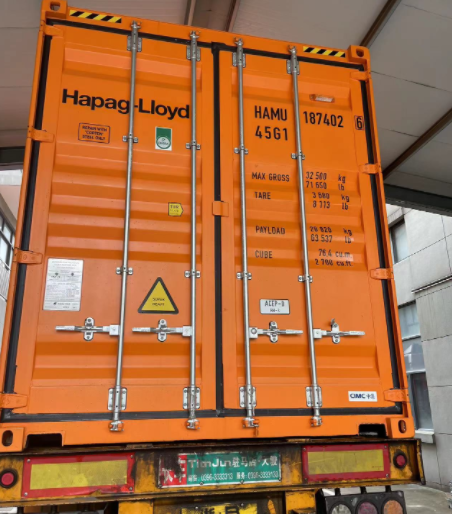
China supplies over 70% of the world’s energy storage capacity — but shipping energy storage systems from China is nothing like shipping ordinary cargo. Every unit carries a dual identity: oversized and overweight cargo (OOG) and Class 9 Dangerous Goods (DG) under the IMDG Code. One missing UN38.3 report, an incorrect SOC level, or a forgotten UL certification can mean rejected bookings, port detention, or a container returned at your expense.
In this guide, we draw on 15 years of freight forwarding experience from Shenzhen — the heart of China’s battery manufacturing corridor — to walk you through the entire journey: UN classification, China export compliance, sea freight vs. air freight vs. rail cost comparisons, DDP door-to-door logistics, destination import requirements for key markets, cargo insurance, and common pitfalls that cost first-time importers thousands. Whether you are moving a single residential battery pallet or a 2,000-unit grid-scale project, this is the roadmap.
Shipping Lithium Battery Energy Storage From China
Before you book a container, answer one question: what UN number does your product fall under? The answer determines which carriers will accept it, what documents you must prepare, and what it costs.
What Counts as an “Energy Storage System” in International Shipping?
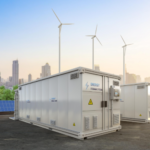
In logistics terms, a Battery Energy Storage System (BESS) is not just a battery — it is an integrated assembly of lithium-ion cells, a Battery Management System (BMS) , a Power Conversion System (PCS) , fire suppression, thermal management (HVAC), and an energy management system (EMS). China’s manufacturing corridor — Shenzhen (BYD, Huawei), Ningde (CATL), Hefei (Gotion, Sungrow), Jiangsu (EVE, REPT) — ships everything from 5 kWh residential wall-mounted units to 5 MWh containerized grid-scale systems. The shipping strategy for a 50 kg residential battery has almost nothing in common with a 45-ton grid-scale container.
Four Product Categories, Four Shipping Strategies
| Product Type | Typical Weight | Typical Capacity | UN Classification | Recommended Transport Mode |
|---|---|---|---|---|
| Grid-Scale Containerized BESS | 30–45 tonnes | 3–5 MWh per unit | UN3536 | Breakbulk/MPV, Flat Rack, SOC container |
| C&I Energy Storage Cabinets | 2–15 tonnes | 100–500 kWh | UN3480 / UN3481 | FCL (20HQ/40HQ), Flat Rack |
| Residential Battery Systems | 30–300 kg | 5–20 kWh | UN3480 / UN3481 | LCL sea freight, Air freight, Rail |
| Portable Power Stations | 5–30 kg | 0.5–3 kWh | Varies (some non-DG) | Air freight, Express courier |
This distinction matters: a forwarder competent with residential batteries may be entirely unqualified for a 45-ton UN3536 deployment.
UN Classification: Your Product’s Shipping Passport
Every lithium battery shipment leaving China must carry a United Nations (UN) number. Wrong classification = booking rejection, port detention, or carrier blacklisting.
- UN3480 — Standalone lithium-ion batteries/cells (strictest category; battery racks shipped without enclosure)
- UN3481 — Batteries packed with or contained in equipment (most C&I cabinets, residential systems)
- UN3536 — Batteries installed in a cargo transport unit (containerized BESS: the system IS the container)
- UN3551/UN3552 (new 2026) — Sodium-ion batteries, now under IMDG Code 42-24
- UN3556/UN3557/UN3558 (new 2026) — Lithium battery-powered vehicles (replaces UN3171)
Why Class 9 Dangerous Goods Matters
Under the IMDG Code, all lithium battery energy storage systems are Class 9 Dangerous Goods, driven by thermal runaway risk — a single cell failure can cascade into a fire conventional shipboard systems cannot suppress. The IMDG Code Amendment 42-24 (mandatory January 1, 2026) revised UN3536 stowage categories, formally included sodium-ion batteries, and shifted from experience-based to evidence-based compliance — regulatory exemptions now require written proof. China’s parallel standards — JT/T 1543-2025 (shipborne lithium battery safety) and GB/T 45915-2025 (multimodal transport, effective Feb 2026) — add further layers. Misclassification means carrier rejection, regulatory liability, and potential customs seizure.
UN38.3 Certified Battery Shipping From China
If UN classification is your shipping passport, then documentation is your visa package. Every document must be accurate, consistent, and issued by the right authority. A single missing certificate can stop a 40-tonne shipment cold.
UN38.3: The One Test You Cannot Skip
UN38.3 is the non-negotiable foundation. It certifies that lithium batteries have passed eight mandatory tests — altitude simulation, thermal cycling, vibration, shock, short circuit, impact/crush, overcharge, and forced discharge — defined in the UN Manual of Tests and Criteria, Section 38.3. The testing lab must hold CNAS accreditation; Ningbo Port has required UN38.3 for all lithium battery shipments since 2025. For large-format batteries (>6,200 Wh), partial exemptions may apply if constituent cells are individually tested and the system has triple protection (overcharge, over-discharge, short-circuit). Timeline: 2–4 weeks. Validity: indefinite unless the design changes.
MSDS, Transport Identification & the DG Packing Certificate
Beyond UN38.3, every BESS export dossier requires: a 16-section MSDS/SDS in English and Chinese; a Dangerous Goods Transport Identification Report (valid for the current calendar year, renewed annually); and the China-specific DG Packing Certificate (危包证) from China Customs — valid 1 year for sea freight, 3 months for air freight, non-renewable once expired. Any data inconsistency between these documents triggers customs inspection.
State of Charge (SOC): The Hidden Gatekeeper
State of Charge (SOC) is arguably the most overlooked compliance parameter in BESS shipping — and the one that causes the most last-minute shipment cancellations. The logic is straightforward: higher SOC = higher stored energy = greater thermal runaway severity. Chinese ports and carriers enforce SOC limits strictly.
| Port | SOC Limit | Additional Notes |
|---|---|---|
| Shanghai | 20%–50% | Obtain MSA filing number before booking |
| Shenzhen (Yantian/Shekou) | 20%–50% | 7-day advance declaration; DG-designated warehouse stuffing only |
| Ningbo | 20%–50% | Additional cell manufacturer quality management documentation |
| Xiamen | ≤30% | Green channel for new energy exports (3-day MSA approval); IP55+ enclosure |
| Taicang | 20%–50% | Lab must hold CMA + CNAS + ILAC-MRA triple accreditation |
| Qingdao | 20%–50% | Carrier DG fitness certificate required in advance |
SOC exceeding the port limit means cargo detention, mandatory battery discharge (costly and time-consuming), and daily demurrage. Repeated violations can result in port blacklisting.
Documentation Readiness Checklist
- UN38.3 Test Report (CNAS-accredited lab; valid while design unchanged)
- MSDS / SDS (16 sections, English + Chinese)
- Dangerous Goods Transport Identification Report (current year)
- DG Packing Certificate
- Container Inspection Certificate (CSC, issued by CCS/DNV/BV)
- Destination market certifications (CE, UL, CEC, BIS, EAC)
- SOC test record (documented immediately before stuffing)
- Container stuffing photographs (labels, seals, panoramic)
Destination Market Certifications: Start 3–6 Months Early
One of the costliest mistakes in ESS importing is treating destination certifications as an afterthought. Certification cycles — especially UL and BIS — can take months.
| Market | Required Certifications | Typical Lead Time | Key Detail |
|---|---|---|---|
| EU | CE (LVD+EMC+EN IEC 62619) + EU Battery Reg. 2023/1542 | 4–8 weeks | Battery passport + carbon footprint declaration phased from 2027 |
| USA | UL 9540 + UL 9540A + UL 1973 + FCC | 3–6 months | Section 301 tariff exclusions require separate monitoring |
| Australia | CEC listing + RCM | 2–4 months | ISPM 15 fumigation for all wooden packaging |
| Canada | CSA 62933 | 2–4 months | Partial acceptance of UL certification via mutual recognition |
| India | BIS IS 16270:2023 | 2–4 months | Local Indian representative required |
| Russia/EAEU | EAC (TR CU 004/020, TR EAEU 037) | 1–3 months | Sanctions may restrict carrier availability |
Shipping Containerized BESS, C&I & Residential Energy Storage From China
Different product categories demand different pre-shipment workflows:
- Containerized BESS (UN3536) : The unit is the container. Must hold a valid CSC safety approval plate, pass classification society inspection (CCS/DNV/BV), have SOC within port limits, all circuits physically disconnected, and fire suppression secured for shipboard compatibility.
- C&I Cabinets (UN3480/UN3481) : Ship via standard containers or flat racks. Units >30 tonnes per 20-foot equivalent require flat rack/open-top and may exceed road chassis limits. Review weight distribution before FAT.
- Residential Systems (UN3480/UN3481) : LCL consolidation candidates. Every unit needs UN-specification packaging with Class 9 labels, UN markings, and lithium battery handling labels. Air freight: IATA PI965/PI966 apply.
FAT, Labeling & Stuffing
The Factory Acceptance Test (FAT) is your last pre-shipment safeguard: visual inspection, functional testing (grid loss simulation), BMS communication verification (CAN/RS485/Modbus), efficiency (≥90%), safety protection, and 2–4 hour burn-in at 70–80% load. Engage SGS, TÜV, Intertek, or Bureau Veritas as an independent witness — their report is invaluable for insurance claims.
All stuffing must occur at a customs-supervised DG warehouse. Required markings on two opposite sides and both ends: Class 9 placard (250×250mm), UN number (≥65mm), lithium battery handling label, and SOC label (new in 2026). Photograph everything — interior, every label, seal number. These photos are the single most important piece of evidence in any cargo damage claim.
Sea Freight, Air Freight & Breakbulk Shipping for Energy Storage Equipment From China
Choosing the right transport mode has the greatest impact on your total landed cost and project timeline.
Sea Freight: The Workhorse
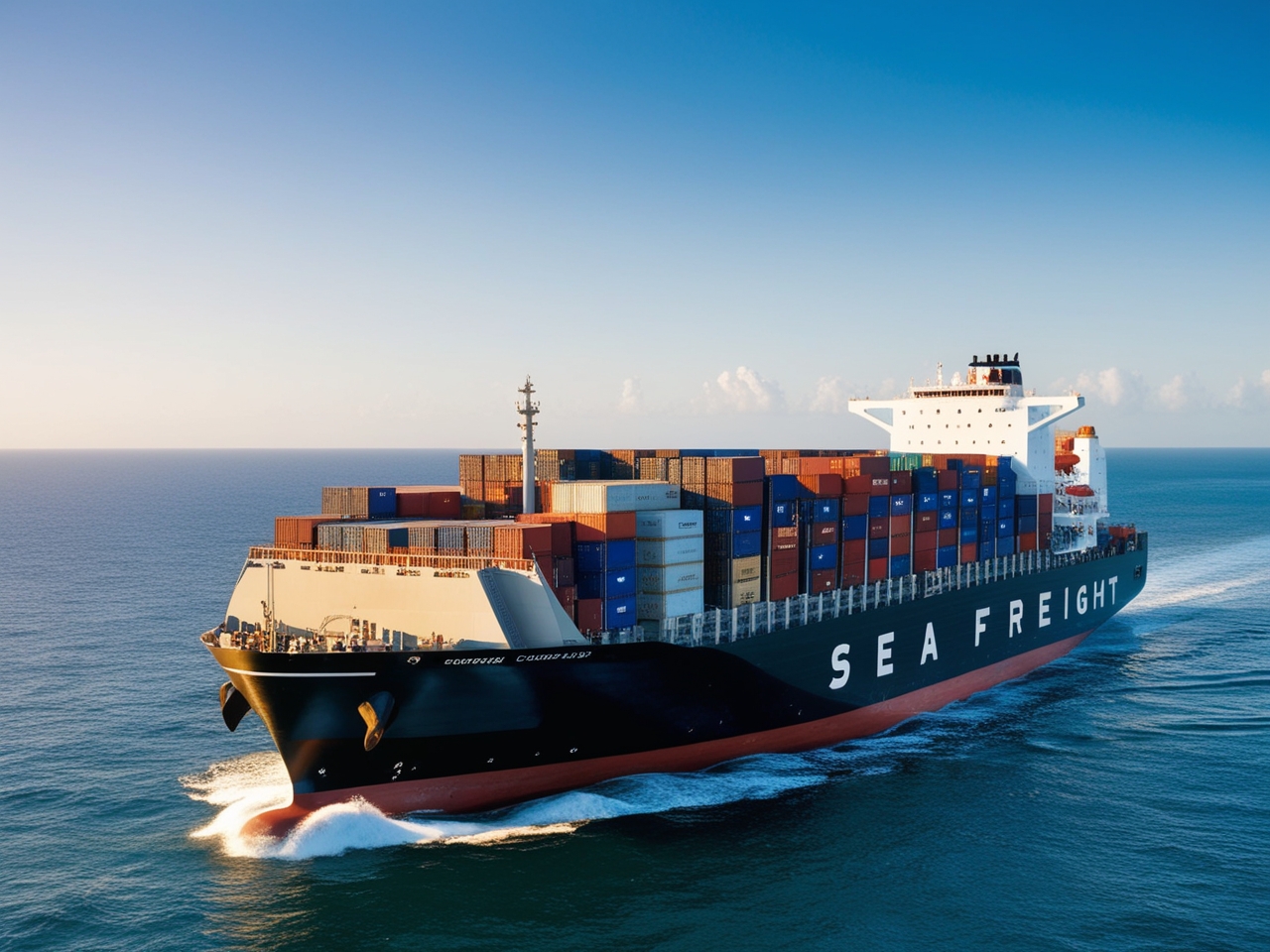
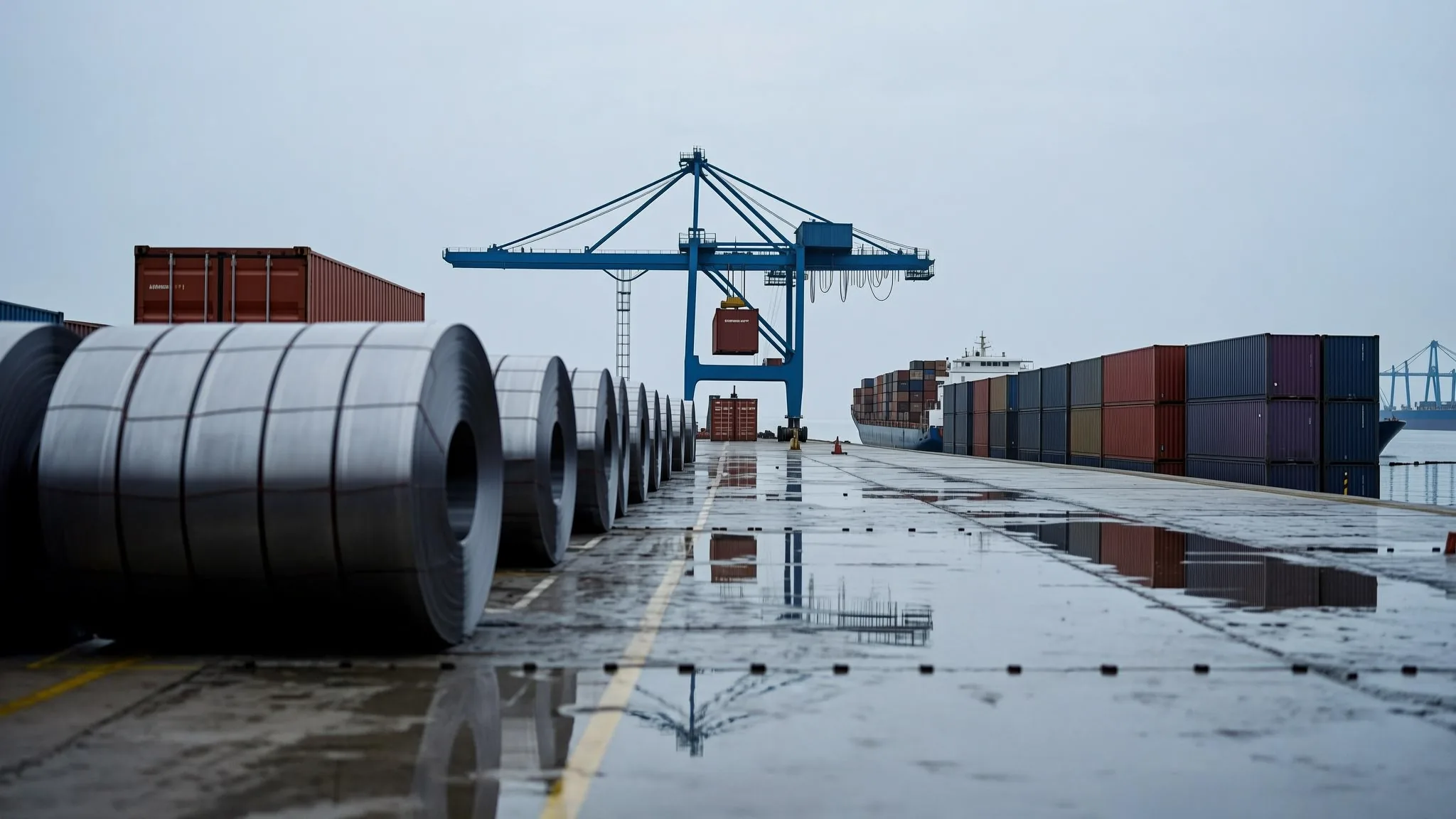
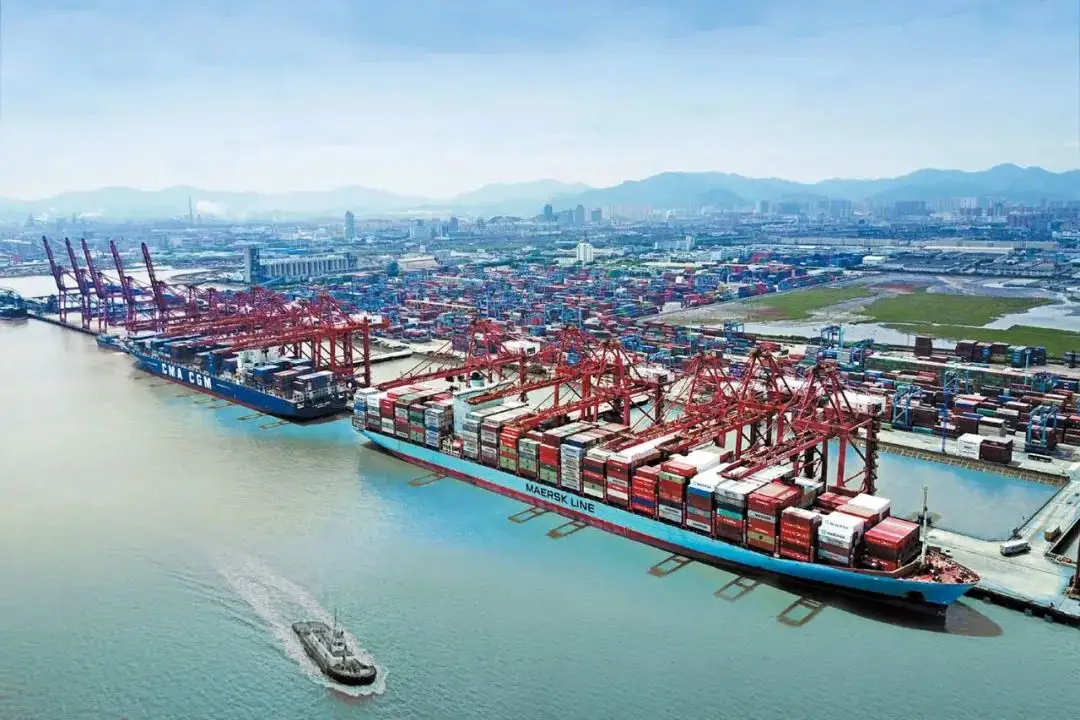
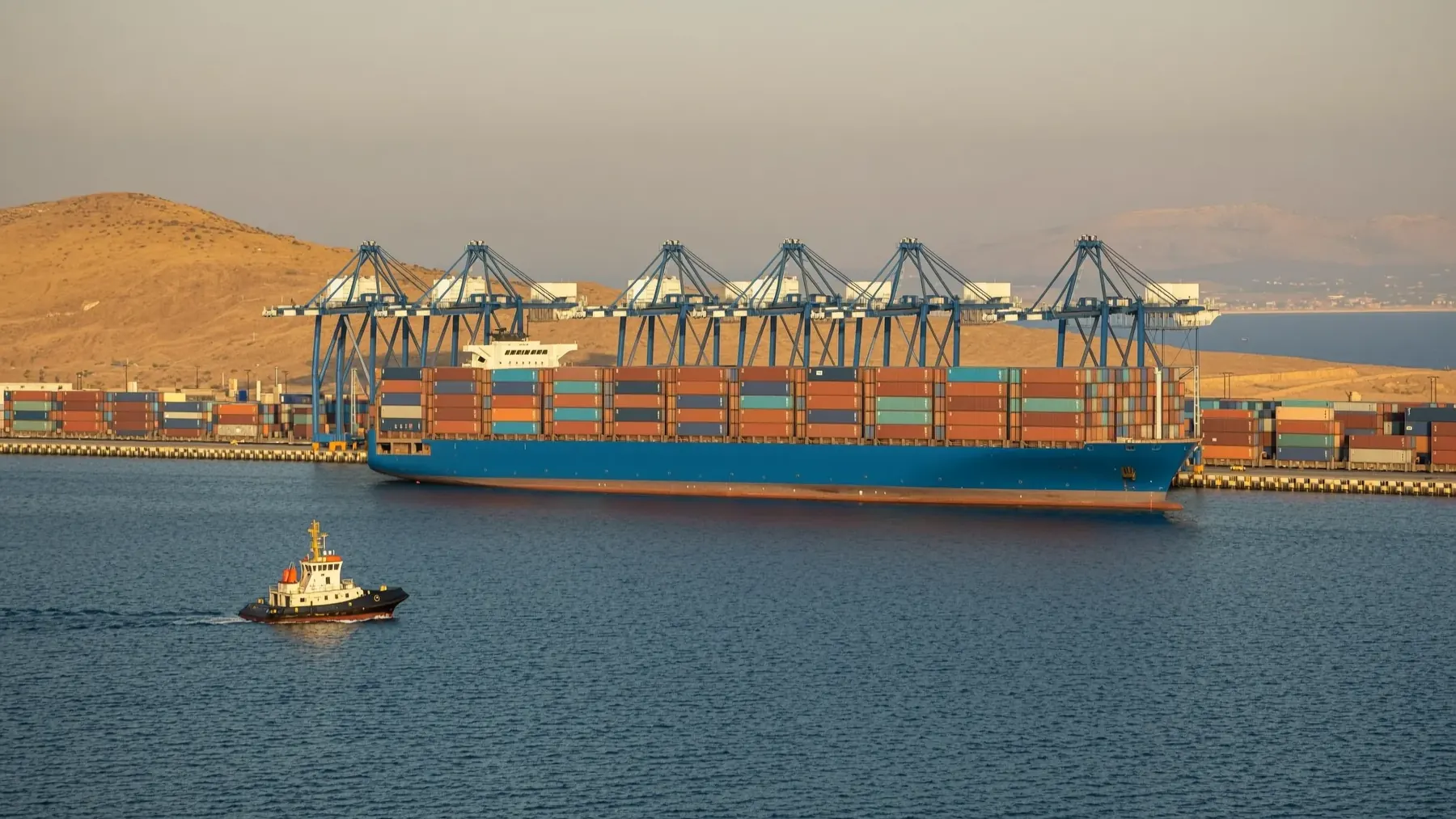
For most BESS shipments, ocean freight is the default. The mode spans a spectrum: FCL (standard 20HQ/40HQ for C&I and residential pallets), Flat Rack (for units exceeding ~30 tonnes per 20-foot — e.g., a 37.5-tonne BESS from Shanghai to Poland), SOC (when the BESS unit is a CSC-certified shipping container), Breakbulk/MPV (for large projects — AAL Shipping moved 3,000+ BESS units in 2025, including 192 units from Taicang to Newcastle), and Heavy-Lift Vessel (COSCO’s 2,364-unit, 12.5 GWh project from Qinzhou to Saudi Arabia). DG bookings close 3–5 days earlier than general cargo; carrier DG pre-approval takes 1–3 days.
Air Freight & Rail: Alternatives When Speed Matters
Air freight suits small, urgent shipments — prototypes, samples, residential batteries under 800 kg. Key limits: >100 Wh batteries prohibited from passenger aircraft, SOC ≤30% , IATA PI965/PI966 packing required. Door-to-door: 3–7 days at 5–10× sea freight cost.
The China-Europe Railway Express offers a middle ground for C&I shipments to Europe: 15–20 days (half of sea freight’s 30–35) at roughly one-third to one-quarter the cost of air freight. Challenges include vibration monitoring, varying DG rules across transit countries, and limited peak-season capacity.
Shipping Method Decision Matrix
| Your Scenario | Recommended Mode | Door-to-Door Transit | Cost Level | Key Consideration |
|---|---|---|---|---|
| Grid-scale project (10+ units, 40+ t each) | Breakbulk / Heavy-Lift | 30–45 days | $$$$ | Book 2–3 months ahead |
| C&I batch (5–20 containers) | Sea FCL (Flat Rack / SOC) | 25–35 days | $$ | DG booking cutoff 3–5 days earlier |
| Residential small batch (1–5 pallets) | Sea LCL consolidation | 30–40 days | $ | UN-spec individual packaging |
| Urgent sample / emergency stock | Air freight (Cargo) | 3–7 days | $$$$$ | SOC ≤30%; >100 Wh: cargo aircraft only |
| C&I to Europe, moderate urgency | China-Europe Railway | 15–20 days | $$$ | Book 1 month ahead; temperature monitoring |
| Solar + storage combined project | FCL + consolidation | 25–35 days | $$ | Multi-SKU customs declaration consistency |
Door to Door & DDP Shipping Energy Storage System From China
The door-to-door journey follows six phases:
- Select a DG-Certified Forwarder (D-15 to D-10): Verify IMDG-certified staff, ESS project experience, carrier DG contracts, and dual-side customs brokerage.
- DG Booking & Carrier Pre-Approval (D-10 to D-7): Submit UN38.3, MSDS, Transport ID Report, and DG Packing Certificate. Carrier DG review takes 1–3 days. Rejection triggers: non-CNAS lab, data inconsistency, expired certificates.
- MSA Dangerous Goods Declaration (D-7 to D-3): File with China’s Maritime Safety Administration — DG declaration, packing certificate, MSDS, UN38.3, transport ID, container inspection. Xiamen’s green channel: as fast as 3 days.
- Customs Export Clearance (D-1): Submit via China’s Single Window with correct HS Code (typically 8507.60 for lithium-ion accumulators; 8504.40 for PCS). Document consistency is the #1 factor in avoiding inspection.
- Stuffing & Loading (D-Day): Customs-supervised DG warehouse. Label verification, step-by-step photography, tamper-evident seal.
- Bill of Lading & Handover (D+1 to D+3): Use Original B/L for high-value cargo. Scan full document package to consignee.
Incoterms Decision Guide for ESS Buyers
| Incoterm | Ocean/Air Freight | Import Clearance | Duties & Tax | Best For |
|---|---|---|---|---|
| EXW | Buyer | Buyer | Buyer | ❌ Not recommended for ESS — too complex |
| FOB | Buyer | Buyer | Buyer | Experienced importers with own forwarder |
| CIF | Seller to destination port | Buyer | Buyer | Buyers with local customs broker |
| DDU | Seller door-to-door | Buyer | Buyer | Buyers with established in-country clearance capability |
| DDP | Seller door-to-door | Seller | Seller | ✅ First-time importers; SMEs without local broker |
DDP (Delivered Duty Paid) is the recommended choice for importers without an established customs broker: the forwarder handles the entire journey for a single, predictable cost.
Shipping Energy Storage From China to USA, Europe, Australia, Middle East & Africa
Each destination has distinct requirements. Here is a quick-reference summary:
| Region | Key Routes & Transit | Import Essentials | Last-Mile Notes |
|---|---|---|---|
| USA | Shenzhen/Shanghai → LA/LB (26-30d); East Coast (35-40d) | ISF 10+2; UL 9540/9540A/1973; check Section 301 tariff status | Heavy-load permits for cross-country trucking (+3-7d) |
| Europe | Shanghai/Ningbo → Rotterdam/Hamburg (30-35d) | EORI; CE (EN IEC 62619); EU Battery Reg. 2023/1542; T1 transit for inland EU | Road permits for heavy flat racks (e.g., 37.5t unit needed DE+PL permits) |
| Australia | Taicang/Shanghai → Newcastle/Brisbane (~25d) | CEC listing + RCM; ISPM 15 fumigation mandatory for wood packaging | Biosecurity among strictest globally |
| Middle East | Qinzhou/Shenzhen → Jeddah/Dammam (variable) | SABER/SASO (Saudi); ECAS (UAE); war risk surcharge may apply | Red Sea rerouting adds 10-15d via Cape |
| Africa | Guangzhou/Shenzhen → Durban/Mombasa/Lagos (25-40+d) | Import licenses + FX approvals may be required; highly variable by country | Pre-survey remote sites for road access, crane & ground capacity |
Cost to Ship Energy Storage System From China: Cheapest Way, Transit Times & Savings Strategies
Transparency about costs is rare in freight forwarding — and virtually non-existent in BESS logistics content. Here is what your invoice actually includes.
Ocean Freight Cost Components
| Cost Item | Approximate Share | Notes |
|---|---|---|
| Base Ocean Freight | 40–50% | Per-container rate; varies by route, season, and carrier |
| BAF (Bunker Adjustment Factor) | 5–10% | Floats monthly or quarterly with fuel prices |
| DG Surcharge | 5–10% | $150–400 per container for Class 9 DG |
| Port Charges (THC + docs + seal + VGM + security) | 8–12% | Fixed per port, published by terminal operators |
| MSA Declaration Fee | 1–2% | Maritime Safety Administration filing |
| Customs Brokerage Fee | 2–3% | Export declaration preparation and submission |
| Trucking (Factory → Port) | 10–15% | DG-rated vehicles cost 30–50% more than standard |
| Cargo Insurance | 2–5% | DG Class 9: ~0.3–0.8% of cargo value (vs. ~0.1–0.2% for general cargo) |
| Destination Charges (for DDP) | 10–20% | Import clearance + duties/VAT + last-mile delivery |
Seven Factors That Move Your Freight Cost
- Weight & dimensions — OOG surcharges multiply base rates 1.5–3×
- Route — Baseline: China–USWC/North Europe. Middle East +30–50%. Africa +50–80%
- Season — Q3–Q4 peak: rates rise 20–50%
- DG classification — Class 9 surcharge non-negotiable; UN3480 sometimes priced higher than UN3481
- Bunker fuel — BAF adjusts monthly
- Port choice — Tier-1 (Yantian, Shanghai): more sailings, competitive rates
- Incoterm — FOB looks cheaper on the invoice but shifts ocean freight and clearance risk to the buyer
Five Ways to Reduce Your ESS Shipping Costs
- Tight SOC control (20–30%) for port compliance and potential DG rate discounts
- Consolidate shipments into FCL — cuts per-unit freight 20–40%
- Book early, contract long — avoid peak-season spot rates; lock annual/quarterly DG agreements
- Use Xiamen’s green channel — MSA processing 3 days vs. 5–7, reducing demurrage
- Optimize packaging — cut dimensional weight; don’t trigger OOG classification through excessive framing
Transit Time Reference: Key China Export Routes
| Route | Sea Freight | Air Freight | Rail Freight |
|---|---|---|---|
| Shenzhen / Shanghai → US West Coast (LA/LB) | 26–30 days | 3–5 days | — |
| Shenzhen / Shanghai → US East Coast (NY/Savannah) | 35–40 days | 5–7 days | — |
| Shanghai / Ningbo → NW Europe (Rotterdam/Hamburg) | 30–35 days | 4–6 days | 15–20 days |
| Shenzhen → Australia (Newcastle/Brisbane) | 20–25 days | 3–5 days | — |
| Shenzhen / Qinzhou → Middle East (Jeddah/Dammam) | 18–25 days | 4–6 days | — |
| Guangzhou / Shenzhen → East Africa (Mombasa) | 25–30 days | 4–6 days | — |
| Guangzhou / Shenzhen → West Africa (Lagos) | 35–45 days | 5–7 days | — |
Lithium Battery Cargo Insurance From China
A surprising number of BESS importers discover — only after a loss — that their standard cargo insurance does not cover lithium battery incidents. Most general policies exclude dangerous goods or specifically list thermal runaway and fire caused by internal cell failure as excluded perils. For BESS, you need Institute Cargo Clauses (A) “All Risks” with explicit confirmation that UN3480/UN3481/UN3536 are in scope. Key parameters: sum insured = CIF × 110% (120% for high-value systems), deductible ≤0.5%, war risk extension mandatory for Middle East routes. DG Class 9 premiums: 0.3–0.8% of insured value (vs. 0.1–0.2% for general cargo).
Seven Common Pitfalls When Shipping Energy Storage Systems From China
| # | Pitfall | Consequence | Prevention |
|---|---|---|---|
| 1 | Missing or non-CNAS UN38.3 | Carrier rejects booking outright | Commission UN38.3 from CNAS lab 3–4 weeks before shipment |
| 2 | SOC exceeds port limit | Port security detention; discharge costs + demurrage | Test and document SOC immediately before stuffing |
| 3 | Missing destination certification | Customs seizure at destination; return shipping > cargo value | Initiate certification (UL, CE, CEC) during product development |
| 4 | Wrong HS Code | Customs inspection, fines, back-tax, container delayed 72h+ | Engage a customs broker familiar with battery products |
| 5 | Expired DG Packing Certificate | MSA rejects dangerous goods declaration; booking lost | Check validity dates 2 weeks before planned shipment |
| 6 | Document inconsistency | Manual customs hold triggered by data mismatch | Standardize product name/specifications/HS Code across ALL documents |
| 7 | Ignoring last-mile road limits | Container stranded at destination port | Assess road weight/size limits and permit requirements pre-shipment |
Claims Process
- Within 24h: Photograph damage; notify insurer and forwarder
- Within 3 days: Submit claim with stuffing photos, SOC record, DG declaration, B/L, commercial invoice, and insurance certificate
- Survey: Insurer-appointed surveyor assesses. The pre-shipment evidentiary trail is decisive. One client shipped without stuffing photos — the claim was denied because damage timing couldn’t be proven. Always photograph everything.
Energy Storage System Freight Forwarder China: How to Choose the Right Partner
The difference between a generalist and a specialist forwarder determines whether your shipment sails on schedule or sits at the port accumulating demurrage.
Generalist vs. ESS Specialist: Five Dimensions
| Dimension | General Forwarder | ESS Specialist Forwarder |
|---|---|---|
| DG Qualification | May lack IMDG-certified staff | IMDG / IATA DGR certified team |
| Carrier Access | General cargo contracts; no DG rate agreements | DG contracts with major carriers (COSCO, Maersk, CMA CGM, Evergreen) |
| Project Experience | First time handling a BESS container | Dozens to hundreds of ESS projects executed |
| Port Navigation | Standard process; MSA declarations may be rejected | Knows port-specific DG shortcuts (e.g., Xiamen green channel) |
| Emergency Response | Unclear escalation path | 24/7 tracking with dedicated account manager |
Five Questions to Ask Before Hiring
- Does your team include IMDG/IATA DGR certified personnel? Have you handled UN3536 containerized BESS?
- Which carriers do you hold DG contracts with? Can you secure DG space during peak season?
- Do you handle both China export AND destination import customs clearance?
- Do you offer specialized DG cargo insurance covering thermal runaway and fire?
- What is your emergency response protocol? Can you provide client references for similar ESS projects?
The Dantful Advantage
At Dantful International Logistics, headquartered in Shenzhen — the heart of China’s energy storage manufacturing cluster — we bring 15 years of specialized freight forwarding to every BESS shipment. We are Class-A licensed, NVOCC-certified, FMC-registered, and Jctrans-member, with 50+ operations specialists and a 50+ customer service team.
Our DG-certified team manages the complete journey: factory pickup, UN38.3 coordination, MSDS and DG Packing Certificate processing, MSA declaration, China export clearance, ocean/air/rail freight on DG-contracted carrier rates (COSCO, Maersk, CMA CGM, Evergreen), destination import clearance, duty/VAT handling, and last-mile delivery — across 200+ countries. Every shipment gets a dedicated account manager, daily tracking updates, and real-time problem resolution.
Ready to ship? Contact us for a customized ESS shipping proposal — tell us your product type, volume, origin, destination, and timeline.
FAQs
What is the UN classification for energy storage systems shipped from China?
Standalone battery modules: UN3480. Batteries in equipment (C&I cabinets, residential units): UN3481. Containerized BESS (the unit IS the container): UN3536. Sodium-ion batteries (new in 2026): UN3551/UN3552.
How long does it take to ship an energy storage system from China to the USA?
Sea freight from Shenzhen/Shanghai to Los Angeles: 26–30 days port-to-port. Add 7–10 days for export preparation and 3–5 days for US import clearance, totaling 5–6 weeks door-to-door to the West Coast. East Coast: add 10–14 days.
Can energy storage batteries be shipped by air freight from China?
Yes, for small/urgent shipments under 800 kg. Batteries >100 Wh are prohibited from passenger aircraft — cargo aircraft only. SOC must be ≤30%. IATA DGR PI965 (standalone) or PI966 (with equipment) apply. Cost: 5–10× sea freight.
What documents are mandatory for exporting an energy storage system from China?
Core package: UN38.3 Test Report (CNAS lab), MSDS/SDS (16-section, English + Chinese), Dangerous Goods Transport Identification Report (valid current year), DG Packing Certificate, Container Inspection Certificate (CSC), plus standard trade documents.
What is the SOC requirement for shipping lithium battery energy storage?
Air freight: ≤30%. Sea freight: 20–50% at Shanghai, Shenzhen, Ningbo, Qingdao, Taicang; ≤30% at Xiamen. SOC must be tested and documented immediately before container stuffing.
How much does it cost to ship a BESS container from China?
Costs vary by route, season, weight, and volume. A typical invoice includes: base ocean freight (40–50%) + BAF + DG surcharge ($150–400) + port charges + MSA declaration + customs brokerage + trucking + insurance (0.3–0.8% of cargo value). Contact a specialist forwarder for a tailored quote.
Which Chinese port is best for exporting energy storage systems?
Shenzhen (Yantian): largest DG gateway. Xiamen: new energy green channel, 3-day MSA. Shanghai: strong EU/US East Coast links. Taicang: preferred for breakbulk/heavy-lift BESS. Qinzhou: gateway to Middle East/SE Asia.
What are the most common mistakes when shipping BESS from China?
(1) Missing/non-CNAS UN38.3, (2) SOC exceeding port limits, (3) missing destination certifications, (4) HS Code misclassification, (5) expired DG Packing Certificate, (6) inconsistent product descriptions across documents, (7) ignoring last-mile road transport restrictions.

Young Chiu is a seasoned logistics expert with over 15 years of experience in international freight forwarding and supply chain management. As CEO of Dantful International Logistics, Young is dedicated to providing valuable insights and practical advice to businesses navigating the complexities of global shipping.