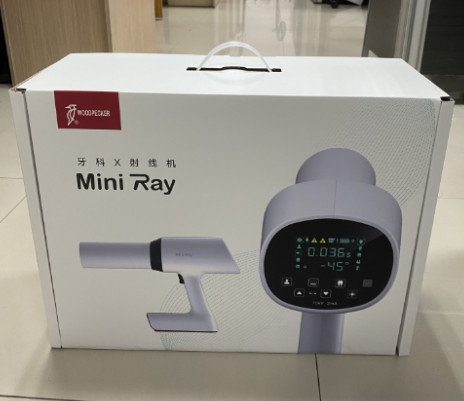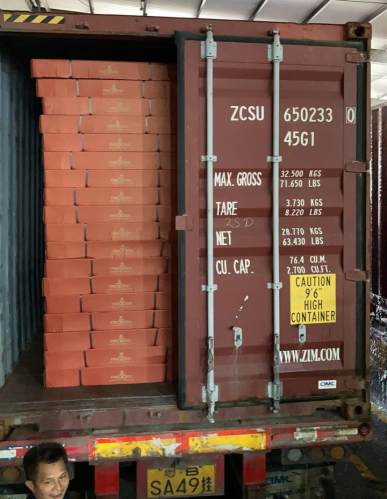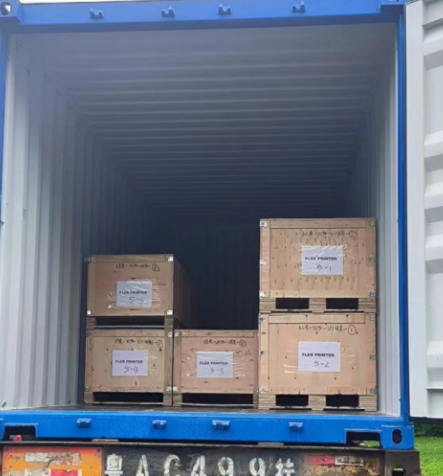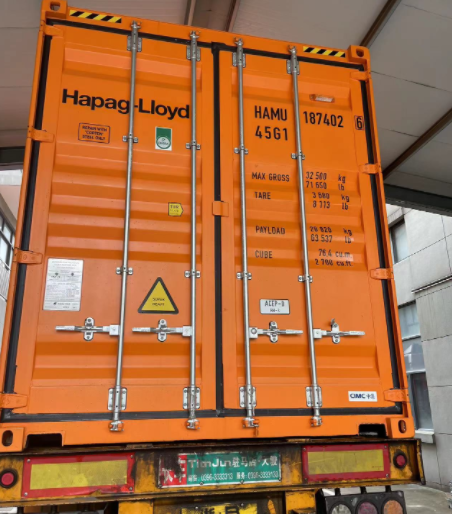
Electronics account for over 40% of China’s total export value — yet nearly 30% of electronics shipments experience customs delays, cargo damage, or compliance rejections. If you source smartphones, laptops, circuit boards, or any battery-powered product from Chinese manufacturers, knowing how to ship electronics from China correctly is the difference between a profitable supply chain and a costly logistics failure.
Understanding Electronics Shipping Regulations: The Non-Negotiable Foundations
Before you book a shipment, understand the regulatory framework — this is where most first-time importers stumble.
Lithium Battery Regulations: The #1 Compliance Challenge
Per the IATA and FAA, roughly 65% of air cargo incidents involving electronics trace back to improperly declared or packaged lithium batteries. These are Dangerous Goods (DG) under the IATA Dangerous Goods Regulations (air) and IMDG Code (sea). Consequences include fines over $15,000 per violation, cargo seizure, carrier blacklisting, and in worst cases, thermal runaway.
The UN Number System Every Shipper Must Know
Every lithium battery shipment needs the correct UN Number:
| UN Number | Description | Regulatory Classification |
|---|---|---|
| UN3480 | Lithium-ion batteries shipped alone (not in/with equipment) | Class 9 DG — Fully Regulated |
| UN3481 | Lithium-ion batteries contained in or packed with equipment | Class 9 DG — Section II / Fully Regulated |
| UN3090 | Lithium-metal batteries shipped alone | Class 9 DG — Fully Regulated |
| UN3091 | Lithium-metal batteries contained in or packed with equipment | Class 9 DG — Section II / Fully Regulated |
UN3480 (standalone batteries) always requires a full Dangerous Goods Declaration (DGD) and UN-certified packaging. UN3481 (batteries with equipment) may qualify for the simplified Section II pathway if strict conditions are met.
IATA DGR Air Freight Requirements at a Glance
For air freight, the IATA Dangerous Goods Regulations (DGR) govern:
Section II (Simplified) — Eligibility:
- Li-ion: cell ≤ 20 Wh, battery ≤ 100 Wh; Li-metal: ≤ 1g/cell, ≤ 2g/battery
- Net quantity ≤ 5 kg per package; battery must be in or packed with equipment
- Required: Lithium Battery Mark, Section II Shipper’s Declaration, MSDS, UN38.3 Test Report
Fully Regulated (Section IB / IA):
- Standalone batteries (UN3480 / UN3090) or exceeding Section II limits
- Required: Full DGD, UN-specification packaging, Class 9 hazard label, UN38.3 Test Summary, MSDS
2026 Critical Update — SoC ≤30%: Effective 2026, IATA mandates all lithium-ion batteries shipped by air be at 30% State of Charge (SoC) or lower — exceeding this causes rejection. This has caused more 2026 delays than any other regulatory change.
IMDG Code Sea Freight Requirements
For ocean freight, lithium battery shipments follow the IMDG Code:
- Special Provision 188: May exempt smaller lithium cells/batteries from some DG requirements — verify case by case
- Sea Freight DG Checklist: UN38.3 Test Report + Summary, MSDS/SDS (bilingual Chinese-English), DGD, Dangerous Goods Packaging Certificate
- 2025 Ningbo Port Update: All Class 9 lithium battery shipments via Ningbo require UN38.3 submitted one week before vessel arrival. Shenzhen and Shanghai are expected to follow
Pro Tip: Triple-check that your UN38.3 test reports, invoices, and packing lists use identical battery model identifiers — mismatches cause port holds.
Non-Battery Electronics: Regulations Still Apply
Even without lithium batteries, electronics face obligations: EU RoHS restricts hazardous substances, EMC compliance is required by FCC (US) and CE (EU), and certain advanced electronics may face dual-use export controls.
2025–2026 Regulatory Updates
| Update | Impact | Timeline |
|---|---|---|
| IATA SoC 30% Mandate | All Li-ion air shipments must meet ≤30% charge | Effective 2026 |
| US De Minimis Rule Changes | Low-value electronics face tighter scrutiny and potential tariff application | Rolling 2025–2026 |
| EU Battery Passport | Mandatory digital passport for batteries sold in EU | Phased from 2027 |
| HS 2025/2026 Amendments | Updated HS nomenclature affecting electronics and battery classifications | Effective Jan 2025 |
| Ningbo Port DG Pre-Screening | UN38.3 mandatory 1-week pre-submission for Class 9 lithium shipments | Effective 2025 |
The Global Electronics Certification Playbook: CE, FCC, RoHS & Beyond
The most common importer question: “What certifications do I need?” The answer depends on your destination market — getting it wrong can mean rejection, destruction, or costly returns.
Certification Quick-Reference
| Certification | Region | Mandatory? | What It Covers | Typical Products |
|---|---|---|---|---|
| CE Marking | EU / EEA | Mandatory | Safety, health, environmental protection | All electronic devices |
| UKCA | United Kingdom | Mandatory | Post-Brexit replacement for CE | All electronic devices |
| FCC | United States | Mandatory | EMC and RF emissions | RF/wireless devices |
| RoHS | EU / Global | Mandatory (EU) | 10 hazardous substances restriction | Virtually all electronics |
| WEEE | EU | Mandatory | Electronic waste recycling | All electronic equipment |
| UL | United States | Voluntary (expected) | Electrical safety | Consumer and industrial electronics |
| PSE | Japan | Mandatory | Electrical product safety | Specified electrical products |
| KC | South Korea | Mandatory | Safety + EMC + RF | Most electronic devices |
| RCM | Australia / NZ | Mandatory | Safety + EMC + energy efficiency | Electrical/electronic equipment |
| EAC | Russia / EAEU | Mandatory | Safety + EMC conformity | Most electronic devices |
| CCC | China | Mandatory (domestic sales) | China Compulsory Certification | Specified product categories |
| G-Mark (GCC) | Gulf States | Mandatory | Safety, EMC, energy efficiency | GCC electronics |
Deep Dive: EU Market Compliance
- CE Marking: Governed by the European Commission’s DG GROW. You must produce a Declaration of Conformity (DoC) showing compliance with applicable directives (EMC 2014/30/EU, Low Voltage 2014/35/EU, Radio Equipment 2014/53/EU for wireless)
- RoHS (2011/65/EU + amendments): Covers 10 substances. Your supplier’s RoHS certificate must cover the exact production BOM
- WEEE Directive: Requires registration in each EU member state where you sell
- REACH: Verify products do not contain SVHCs above 0.1% weight-by-weight threshold
- EORI Number: Mandatory for all commercial EU imports
Deep Dive: US Market Compliance
- FCC Part 15: Covers unintentional radiators — supplier must provide an FCC-recognized lab test report
- FCC ID: Required for wireless devices (Bluetooth, Wi-Fi, cellular) with a unique identifier printed on the product
- UL Certification: Technically voluntary but functionally required by major retailers (Amazon, Walmart, Best Buy) and insurers
- Customs Bond: Required for formal entries over $2,500
Certification Pitfalls That Cost Importers Thousands
The BOM Change Trap: A client lost CE certification — and faced a rejected shipment at Rotterdam — because their Shenzhen supplier changed a power management IC without notice. The replacement IC had a different EMI signature, voiding the EMC test report. Freeze your BOM before certification testing and audit against the certified BOM before shipment.
Fake Certificates: Always verify certificate authenticity directly with the issuing body (SGS, TÜV Rheinland, Intertek, Bureau Veritas). Most labs offer online verification portals.
Certificate Expiration: CE DoCs are valid for 5 years or until product design changes. FCC certifications have no fixed expiry but become invalid if modified. Track dates and set renewal reminders.
Electronics Packaging: ESD Protection, Moisture Control & Shock-Proofing
Proper packaging is the most controllable factor in electronics shipping — 92% of transit damage is preventable. Mastering how to package electronics for international shipping means controlling three threats: electrostatic discharge, moisture, and physical impact.
The Three Silent Killers of Electronics Cargo
Electrostatic Discharge (ESD): A microchip can be destroyed by a 100-volt static discharge. ESD damage causes latent failures that surface weeks after delivery. ESD anti-static packaging is mandatory for component-level electronics.
Moisture: Ocean freight containers can exceed 90% internal humidity, causing corrosion on connectors and PCB traces. Moisture barrier packaging is critical for sea freight shipments over two weeks.
Impact & Vibration: During transit, cargo experiences continuous vibration, forklift and container stacking shocks, and drops up to 1 meter. Electronics with glass displays, delicate connectors, or heavy components are most vulnerable.
Packaging Material Selection Guide by Product Type
| Product Type | ESD Protection | Moisture Control | Shock Protection | Recommended Packaging Solution |
|---|---|---|---|---|
| PCBs / Circuit Boards | Critical | Critical | Important | ESD shielding bag + desiccant + anti-static bubble wrap + double-wall box |
| Smartphones / Tablets | Recommended | Important | Critical | Anti-static foam insert + sealed poly bag + molded tray + double-wall box |
| LED Screens / Monitors | Recommended | Minor | Critical | EPE foam corner protectors + wooden crate + palletized & strapped |
| Industrial Control Equipment | Important | Important | Important | ESD bag + silica gel + expanding foam + plywood crate |
| Bare Chips / ICs | Critical | Critical | Important | Faraday bag + vacuum-sealed moisture barrier bag + rigid box |
| Bluetooth Earbuds / Small Electronics | Minor | Important | Important | Retail packaging + master carton with cushioning fill + stretch-wrapped pallet |
Step-by-Step Packaging Protocol
Step 1 — ESD Protection: Wrap each unit in an anti-static shielding bag (not pink poly — those are only static-dissipative). For bare ICs, use a Faraday bag for full EMI/RFI shielding.
Step 2 — Moisture Barrier: Place silica gel desiccant in a sealed poly bag (~5–10 g/ft³). For long-haul sea freight, use a vacuum-sealed moisture barrier bag (MBB) with a humidity indicator card.
Step 3 — Shock Absorption: Apply 5 cm of cushioning between every product face and the outer box wall. Options: EPE foam (best all-around), foam-in-place (irregular shapes), bubble wrap (2–3 wraps).
Step 4 — Structural Integrity: Single-wall C-flute (under 10 kg), double-wall BC-flute (10–25 kg), triple-wall or plywood crate (over 25 kg or high-value).
Step 5 — Labeling: Every package must carry: “Fragile — Handle with Care,” “This Way Up” arrows on two sides, “Keep Dry,” “Anti-Static,” Class 9 Lithium Battery hazard label (if batteries present), and Lithium Battery Handling Mark (if Section II applies).
Step 6 — Palletization: Standard 1,200×1,000mm pallet. Stretch wrap with 50% overlap, 3–4 revolutions. Polyester strapping (2 per direction) for heavy loads.
For high-value shipments (servers, medical electronics, laboratory instruments), add double-boxing with 5–8 cm of high-density foam on all sides, plywood crates built to ISPM 15 standards, and ShockWatch/TiltWatch indicators that create carrier accountability.
Packaging Testing Standards
ISTA (International Safe Transit Association) testing simulates real-world transit hazards:
| ISTA Series | Tests | Best For |
|---|---|---|
| ISTA 1A | Vibration + drop | Standard packages ≤ 68 kg |
| ISTA 2A | Compression + vibration + drop | More realistic testing |
| ISTA 3A | Full transit simulation | Parcel delivery packages |
China’s GB/T 4857 standard covers stacking, vibration, impact, and drop testing. Arrange pre-shipment testing through your forwarder; the cost ($200–$500) is trivial compared to one damaged shipment.
Shipping Methods & Cost Comparison: Air, Sea, Rail & Express for Electronics
A freight forwarder in Shenzhen China provides proximity to the manufacturing hub for faster response and local expertise.
Shipping Mode Decision Matrix
| Shipping Mode | Transit Time | Cost Range | Best For | Electronics-Specific Notes |
|---|---|---|---|---|
| Sea Freight FCL | 25–40 days | $1,200–$2,300 per 40HQ | Bulk B2B, heavy electronics | Use container desiccants; salt-spray protection essential |
| Sea Freight LCL | 25–40 days | $60–$120 per CBM | Medium-volume, mixed products | Isolate from incompatible cargo; extra fragile labeling |
| Air Freight | 5–10 days | $5–$8 per kg | High-value, urgent, lightweight | DG declaration mandatory for batteries; SoC ≤30% |
| China-Europe Rail Freight | 15–22 days | $3–$5 per kg | Balanced speed/cost to EU | Temperature monitoring recommended |
| Express Courier (DHL/FedEx/UPS) | 3–7 days | $7–$12 per kg | Small packages, e-commerce | Battery quantity/size limits; dimensional weight pricing |
Cost Optimization Strategies
Warehouse Consolidation: If you source from multiple suppliers across China, consolidate goods at a single warehouse near the port for one FCL shipment instead of multiple LCL shipments. Consolidated freight shipping can reduce logistics costs by 20–25%.
Seasonal Booking: Ocean rates spike during Pre-Chinese New Year (January–February), peak holiday retail season (August–October, rates up 30–50%), and Golden Week (early October). Book 4–6 weeks ahead during off-peak, 8 weeks during peak.
LCL vs FCL Break Point: Above 12–15 CBM, total LCL costs often equal or exceed a 20ft FCL container. Above 15 CBM, FCL is almost always cheaper per unit and eliminates consolidation/deconsolidation risks.
Route Optimization: Shenzhen (Yantian/Shekou) offers the best rates and most frequent sailings for electronics. For European destinations, rail freight from China to Europe via Chengdu, Chongqing, Xi’an, or Zhengzhou offers 35–50% savings over air freight with only 10–15 extra days of transit.
DDP Shipping for Electronics: The Hassle-Free Option
DDP (Delivered Duty Paid) shipping provides a single point of responsibility from factory to doorstep. Door-to-door shipping services handle the entire chain: pickup, China export clearance, international transport, destination import clearance, duty/VAT payment, and final delivery.
When DDP Makes Sense: Amazon FBA sellers (duties prepaid), first-time importers (no destination broker needed), multi-category mixed shipments (simplified HS code handling), and anyone wanting an all-in upfront price with no surprise customs bills.
Amazon FBA Electronics Shipping: Special Considerations
Shipping to Amazon FBA adds compliance requirements:
- FNSKU Labeling: Each sellable unit must have a scannable FNSKU barcode
- Carton-Level Labeling: Each carton must carry an Amazon shipment label and, for mixed SKUs, a “Mixed SKU” label
- Pallet Specifications: 1,200mm × 1,000mm standard, maximum height 1,800mm including pallet, stretch-wrapped with clear plastic
- Battery Products: Amazon requires the ASIN to be classified as a Dangerous Goods (Hazmat) in Seller Central. Submit an SDS or exemption sheet before inbounding to FBA
- Certification Documentation: Amazon may request CE/FCC compliance documents during FBA inbound processing
China Export Procedures: The Missing Piece Every Guide Overlooks
Proprietary expertise from Dantful’s Shenzhen operations team — no top-ranking competitor covers China-side export procedures, where electronics shipments actually begin.
China’s Electronics Export Landscape by Port
| Port Cluster | Key Strength | Best For |
|---|---|---|
| Shenzhen (Yantian / Shekou) | Largest electronics manufacturing hinterland; most frequent sailings | Consumer electronics, smartphones, PCBs |
| Shanghai (Yangshan / Waigaoqiao) | East China gateway; strong DG handling | Industrial electronics, server equipment |
| Ningbo (Beilun / Zhoushan) | Growing electronics hub with DG pre-screening | Battery-heavy shipments, high-tech |
| Guangzhou (Nansha) | Lower congestion; competitive LCL rates | Small-batch, consolidated shipments |
The 9-Step China Export Customs Clearance Process
- Export Qualification Verification: Supplier or forwarder must have valid Customs Registration and an Electronic Port IC Card
- HS Code Classification: Classify goods under the correct 10-digit China Customs HS code
- Commodity Inspection: Required only if the product falls in the Compulsory Inspection Catalogue. Most standard consumer electronics are NOT in this catalog
- Export License: Not required for most consumer electronics. Dual-use electronics and encryption-capable devices may need a MOFCOM license
- CCC Certification Status: CCC applies to products sold in China’s domestic market. For pure export electronics, CCC is generally not required
- Electronic Customs Declaration: Forwarder submits declaration through China’s Single Window platform with invoice, packing list, contract, and permits
- Customs Examination: Shipments may be inspected based on risk profiling — electronics with battery declarations are more likely to be flagged
- Tax & VAT Rebate: Most electronics qualify for a 13% VAT rebate. Processing takes 1–3 months after export verification
- Release & Loading: Once customs clears, cargo is released
Special Procedures for Battery-Containing Electronics on the China Side
- UN38.3 Test Report: Issued by a CNAS/ILAC-accredited lab (e.g., SGS, CQC). Mandated by the UN Manual of Tests and Criteria, Section 38.3 — the foundational safety gate for lithium battery transport
- MSDS/SDS: Bilingual (Chinese + English), 16-section GHS format. Section 14 must state UN number, transport classification, and handling requirements
- **Dangerous Goods Packaging Certificate: Required for fully regulated DG shipments; application takes 3–5 working days
- Air/Sea Transport Condition Identification Certificate: Required by many Chinese carriers
Export VAT Rebate: A Hidden Cost Advantage
Most electronics exported from China qualify for a 13% export VAT rebate — the government refunds the VAT factories pay on raw materials when finished goods are exported. A knowledgeable supplier factors the expected rebate into their pricing, so your FOB or CIF price may already reflect this benefit.
If working with a trading company (not a direct factory), confirm they are registered for export rebate processing — some operate on a “no rebate” model with less competitive pricing.
Customs Clearance & Documentation: A Two-Sided Equation
Successful electronics shipping needs documentation that works at both origin and destination — a customs clearance partner is essential.
China Export Documentation Checklist
| Document | When Required | Key Details |
|---|---|---|
| Commercial Invoice | Always | HS codes, product descriptions, declared value, watt-hour ratings and UN numbers for battery shipments |
| Packing List | Always | Net/gross weight, dimensions, carton count, package type |
| Sales Contract | Always (China customs) | Must match invoice details |
| Customs Declaration Authorization | When using a customs broker | Standard China Customs form |
| Dangerous Goods Declaration (DGD) | When lithium batteries present | Submitted to China MSA or CAAC |
| UN38.3 Test Report + Summary | When lithium batteries present | Must be current and match invoice model numbers |
| MSDS / SDS | When lithium batteries present | Bilingual Chinese + English, 16-section GHS format |
| Certificate of Origin | When preferential tariff claimed | CO (general), Form A (GSP), Form E (China-ASEAN FTA), etc. |
Destination Import Documentation by Major Market
United States: Customs Bond (formal entries over $2,500), FCC compliance documentation, ISF (Importer Security Filing / “10+2”) filed 24+ hours before vessel departure.
European Union: EORI Number (mandatory), CE Declaration of Conformity (signed and dated), RoHS compliance certificate, WEEE registration (member-state specific), Import VAT registration number.
United Kingdom: EORI number starting with “GB”, UKCA Declaration of Conformity, UK VAT registration number.
Australia: Import Declaration for goods over AUD 1,000, GST (10%) collected at customs, RCM documentation, ISPM 15 for wooden packaging.
Electronics HS Code Quick-Reference (Chapter 85)
| HS Code | Product | US Duty | EU Duty | Misclassification Risk |
|---|---|---|---|---|
| 8507.60 | Lithium-ion batteries | 3.4% | 0–2.7% | Confused with other battery chemistries (8506) |
| 8517.12 | Smartphones | 0% | 0% | Often confused with 8517.62 |
| 8471.30 | Laptops, tablets | 0% | 0% | Distinguish from 8471.41 (desktop) |
| 8542.31 | Integrated circuits / processors | 0% | 0% | Distinguish from 8542.39 (other ICs) |
| 8525.89 | Digital cameras | 0–2.1% | 0% | Phone-integrated cameras excluded |
| 8518.30 | Headphones, earphones | 0–4.9% | 0% | Wireless vs. wired affects class |
| 8528.52 | LCD/LED monitors | 0–5% | 0–14% | Screen size sensitive |
| 8504.40 | Power adapters, chargers | 0–2.5% | 0–3.3% | Distinguish from 8504.50 |
| 8543.70 | Electronic cigarettes | 0–2.5% | 0% | Separate battery class applies |
HS Pro-Tip: Classify by essential character — a smartphone with a camera is 8517.12 (telephony), not 8525.89 (camera). Validate HS codes via the destination country’s tariff database (US HTS Search, EU TARIC, WCO HS Database).
Risk Management & Cargo Insurance: Protecting Your Electronics Investment
Electronics are high-value, damage-sensitive, theft-prone cargo — risk management is not optional.
The Top 8 Risks When Shipping Electronics from China
- Physical Damage: Impact, compression, and vibration — 92% preventable with proper packaging; the remaining 8% should be covered by insurance
- Theft & Pilferage: High-value, small electronics are prime targets at ports, warehouses, and during trucking
- Customs Delays & Seizures: Incomplete documentation, misclassified HS codes, and missing certifications
- Lithium Battery Misdeclaration Penalties: Fines exceeding $15,000 per incident, carrier blacklisting, cargo destruction
- Certification Non-Compliance: Products without required certifications may be detained, returned, or destroyed
- Peak Season Rate Spikes: August–October ocean rates can surge 30–50%
- Demurrage & Detention: A customs hold delaying clearance by 5 days can generate hundreds in unexpected fees
- Supply Chain Disruption: Port strikes, geopolitical events, carrier bankruptcies — unpredictable but with outsized impacts
Cargo Insurance: Types & Coverage
| Insurance Type | What It Covers | Cost (Approx.) | Best For |
|---|---|---|---|
| All-Risk | All physical loss or damage from external causes | 0.3%–0.8% of declared cargo value | High-value electronics |
| Total Loss Only | Only if entire shipment is lost or destroyed | 0.1%–0.2% of cargo value | Not recommended for electronics |
| Named Perils | Specified risks only (fire, collision, stranding) | 0.15%–0.35% | Specialized cargo |
| Institute Cargo Clauses (A/B/C) | ICC-A: broadest; ICC-B: medium; ICC-C: basic | Varies | Standard framework |
For electronics, we recommend All-Risk (ICC-A equivalent) through a reliable cargo insurance provider. Insure for CIF value × 110% to cover goods, freight, and a profit margin.
Insurance Claims Process
- Document Immediately: Photograph damaged packaging and products before unpacking
- Note on Delivery Receipt: Write a specific note (e.g., “Carton crushed, corner dented”) — don’t just sign
- Notify Your Insurer: Most policies require notification within 24–72 hours
- Preserve Evidence: Keep all packaging, damaged goods, and documents until the claim resolves
- Submit Claim Package: Insurance certificate, bill of lading/AWB, invoice, packing list, damage photos, survey report (if conducted), claim statement
From Experience: Clients who photograph their packaging before shipment — ESD protection, cushioning, labeling — have 3× higher insurance claim success rates.
Why Dantful for Electronics Shipping
- Quadruple Accreditation: Class-A Freight Forwarder, NVOCC, FMC, and Jctrans certified — licensed to handle your cargo across every jurisdiction
- DG-Certified Lithium Battery Team: Dedicated specialists handle UN38.3, MSDS, Dangerous Goods Packaging Certificates, and DGD submissions daily
- Direct Carrier Contracts: Major ocean (COSCO, CMA CGM, Maersk, OOCL, Evergreen) and air carriers for secured space and genuine market pricing
- True Door-to-Door Coverage: Supplier pickup to final delivery across 200+ countries. Our warehouse services in Shenzhen provide secure staging and consolidation
- 24/7 Visibility & Support: 50 operations and 50+ customer service professionals provide daily updates and proactive issue resolution
Ready to ship your electronics from China? Whether moving a container of tablets, a pallet of Bluetooth earbuds, or your first batch of PCBs, we can build a custom solution for your business.
Contact Dantful International Logistics today for a free consultation and custom electronics shipping quote.
FAQs
Q1: Can I ship electronics with lithium batteries from China by air?
Yes — but you must meet IATA DGR: UN38.3 tested batteries, valid MSDS/SDS, ≤30% SoC, and either Section II simplified (batteries in equipment, ≤100Wh / ≤5kg) or full Dangerous Goods Declaration for standalone/larger batteries.
Q2: What is the cheapest way to ship electronics from China?
Sea freight LCL or FCL is most economical, at $0.80–$2.00/kg depending on volume and destination. Under 3 CBM, express courier or LCL sea freight offer the best cost-convenience balance. Above 15 CBM, FCL provides the lowest cost per unit.
Q3: What certifications do I need to import electronics from China to the USA?
FCC certification is the primary requirement — Part 15 for most electronics, plus FCC ID for wireless/Bluetooth/Wi-Fi devices. UL certification is technically voluntary but expected by major retailers. Unlike the EU, the US does not require CE or RoHS at the federal level (some states like California Proposition 65 have additional requirements).
Q4: How long to ship electronics from China to Europe?
- Air Freight: 5–9 days airport-to-airport (7–12 days door-to-door)
- Sea Freight: 28–40 days port-to-port (35–45 days door-to-door)
- China-Europe Rail Freight: 15–22 days terminal-to-terminal (20–28 days door-to-door)
- Express Courier (DHL/FedEx/UPS): 3–7 days door-to-door
Q5: What documents are needed for shipping electronics from China?
Core: Commercial Invoice, Packing List, Bill of Lading (sea) or Air Waybill (air), Certificate of Origin. Battery shipments add: UN38.3 Test Report, MSDS/SDS, and potentially a Dangerous Goods Declaration. Destination certifications (CE, FCC, RoHS) must accompany the shipment.
Q6: What are the HS codes for electronics exported from China?
Electronics primarily fall under HS Chapter 85 (Electrical Machinery and Equipment). Common examples: 8507.60, 8517.12, 8471.30, 8542.31, 8525.89, 8518.30, 8528.52. Always verify with the destination country’s tariff database.

Young Chiu is a seasoned logistics expert with over 15 years of experience in international freight forwarding and supply chain management. As CEO of Dantful International Logistics, Young is dedicated to providing valuable insights and practical advice to businesses navigating the complexities of global shipping.