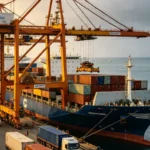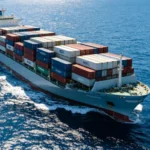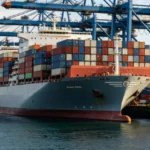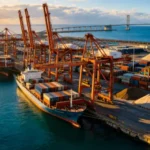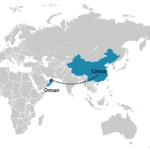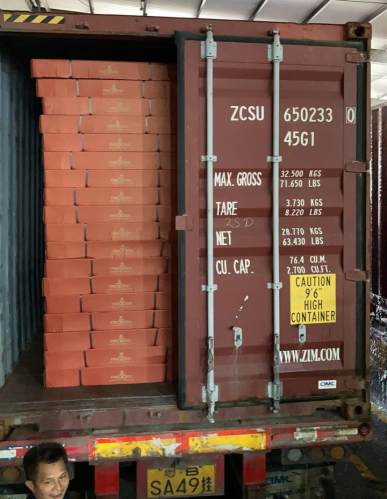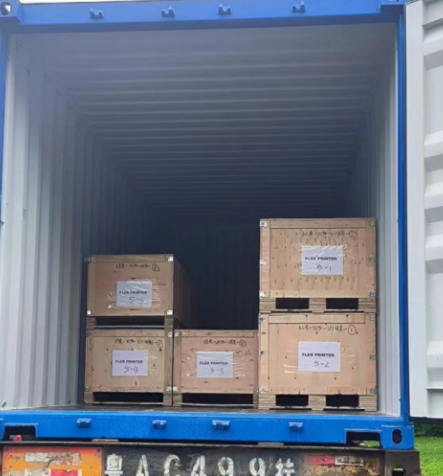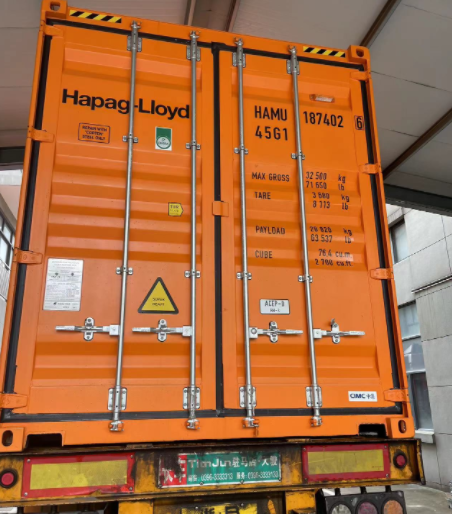
In August 2026, shipping from China to Germany typically costs $1,900–$3,200 for a 20ft container, $3,200–$5,500 for a 40ft container, $60–$130 per CBM for LCL, and $4–$7 per kg for air freight. Sea freight takes 28–38 days, rail 12–18 days, and air 5–8 days. The total you actually pay depends on more than the headline freight rate — this guide walks you through every charge, from the ocean rate to German customs and delivery, so you know exactly what to budget for.
Whether you import for retail, manufacturing, Amazon FBA, or project cargo, a clear picture of the full cost chain makes the difference between a smooth shipment and an unexpected invoice. We cover sea freight, air freight, and rail freight from China to Germany, plus the customs duties, VAT, and destination charges that complete the landed-cost picture — updated to the current market. If you want a quick read on the current shipping rates from China to Germany, that page keeps a rolling snapshot.
As specialists in shipping from China to Germany, the Dantful International Logistics team handles this lane daily from our Shenzhen headquarters. Below is our transparent, itemized breakdown for August 2026.
Key takeaways:
- Sea freight remains the lowest-cost option for large and heavy cargo: 20ft FCL commonly runs USD 1,900–3,200 and 40ft FCL USD 3,200–5,500 as of August 2026.
- LCL suits shipments below roughly 12–15 CBM, at USD 60–130/CBM — but German destination handling and customs fees are charged per shipment, so compare LCL’s full cost against a small FCL before booking.
- Air freight is the choice for urgent or high-value cargo, with general cargo around USD 4.0–7.0/kg depending on chargeable weight and service level.
- Rail freight balances cost and speed: roughly 12–18 days to German inland terminals, at a price between sea and air — ideal for destinations like Munich, Nuremberg, or Leipzig.
- Germany import VAT is 19%, calculated on CIF value + customs duty; duty depends on the product’s HS code, typically 0–12% for common goods.
- 2026 rule changes matter: EU ETS surcharges now appear on ocean freight, and the EU has proposed ending the €150 low-value duty exemption — relevant if you ship parcels or e-commerce orders.
Sea freight cost from China to Germany
For most importers moving large volumes, sea freight from China to Germany is the most cost-effective method — especially for machinery, furniture, building materials, consumer goods, and general cargo that does not need urgent delivery.
As of August 2026, ocean rates on this lane are relatively stable compared with the extreme swings of earlier years, but they still move with fuel prices, vessel space, equipment availability, and seasonal demand. Any published number is a budgetary range, not a fixed market quote — treat it that way, and always confirm the current rate for your cargo dates.
Cost of 20ft container shipping from China to Germany
A standard 20ft container works well for dense cargo and smaller FCL shipments, offering roughly 28 CBM of usable volume. Cargo weight and loading plan matter as much as cubic capacity.
| From Port (China) | To Port (Germany) | Estimated 20ft FCL Rate (USD) | Transit Time (Days) |
|---|---|---|---|
| Shanghai | Hamburg | $1,900 – $2,800 | 28 – 34 |
| Shenzhen | Hamburg | $2,000 – $2,900 | 29 – 35 |
| Ningbo | Bremerhaven | $1,900 – $2,750 | 28 – 34 |
| Guangzhou | Hamburg | $2,100 – $3,000 | 30 – 36 |
| Qingdao | Bremerhaven | $2,050 – $3,200 | 31 – 37 |
What these rates include: port-to-port ocean freight with typical surcharges (BAF, THC at origin) as of August 2026. They exclude customs duty, VAT, cargo insurance, German destination charges, and inland delivery — we break those down in the cost-breakdown section below.
Cost of 40ft container shipping from China to Germany
A 40ft container provides about 56 CBM, while a 40HQ (high cube) gives more loading height and around 68 CBM. For light but bulky cargo, the 40HQ is often the better value: the premium over a standard 40ft is usually only $100–$200, yet you gain roughly 12 CBM of space.
| From Port (China) | To Port (Germany) | Estimated 40ft FCL Rate (USD) | Transit Time (Days) |
|---|---|---|---|
| Shanghai | Hamburg | $3,200 – $4,800 | 28 – 34 |
| Shenzhen | Hamburg | $3,400 – $5,000 | 29 – 35 |
| Ningbo | Bremerhaven | $3,200 – $4,700 | 28 – 34 |
| Guangzhou | Hamburg | $3,500 – $5,200 | 30 – 36 |
| Qingdao | Bremerhaven | $3,400 – $5,500 | 31 – 37 |
Factors that move the price: peak-season demand, BAF (Bunker Adjustment Factor) and other fuel-related surcharges, cargo type (dangerous goods, oversized cargo, or special handling add cost), free-time risk at destination (demurrage and detention), and routing — direct sailing versus transshipment.
LCL shipping cost from China to Germany per CBM
For shipments below a full container, LCL (Less than Container Load) is the standard choice. You pay per cubic meter, plus per-shipment charges that do not scale with volume.
| LCL Component | Typical Cost (USD) | What It Covers |
|---|---|---|
| Ocean freight (origin reference) | $60 – $130 per CBM | Sea leg, origin consolidation |
| German destination handling (CFS) | $60 – $150 per shipment | Deconsolidation at Hamburg/Bremerhaven |
| Customs clearance (broker + filing) | $80 – $200 per shipment | Import declaration, ATLAS filing |
| Documentation & administrative fees | $40 – $90 per shipment | B/L release, delivery order, admin |
These per-shipment charges are normal and predictable — the key is knowing they exist so your budget matches reality. A common question is when LCL stops making sense; the practical answer is around 12–15 CBM, as the table below shows.
FCL vs LCL: which is cheaper?
| Cargo Volume | LCL Total Cost (est.) | 20ft FCL All-in Cost (est.) | Which Wins |
|---|---|---|---|
| 6 CBM | ~$800 – $1,000 (incl. destination fees) | ~$2,400+ (under-utilized) | LCL |
| 10 CBM | ~$1,100 – $1,400 | ~$2,400+ | LCL |
| 12 CBM | ~$1,300 – $1,600 | ~$2,400 – $2,900 | Toss-up — compare quotes |
| 15 CBM | ~$1,600 – $1,900 | ~$2,400 – $2,900 | FCL |
| 18 CBM | ~$1,900 – $2,200 | ~$2,400 – $2,900 | FCL (safer, faster) |
FCL estimate: 20ft rate + German THC + customs + trucking. LCL estimate: CBM charge + per-shipment fees above. Figures are planning ranges for August 2026, not quotes. For a deeper dive into container-level pricing, see our container shipping costs from China to Germany guide.
Once your volume reaches 12–15 CBM, ask your forwarder to compare LCL total landed cost against 20ft FCL all-in cost. On many China–Germany shipments, that is the break-even zone where FCL becomes both more economical and more predictable — you also avoid the risk of damage and delay that comes with sharing a container.
Air freight cost from China to Germany per KG
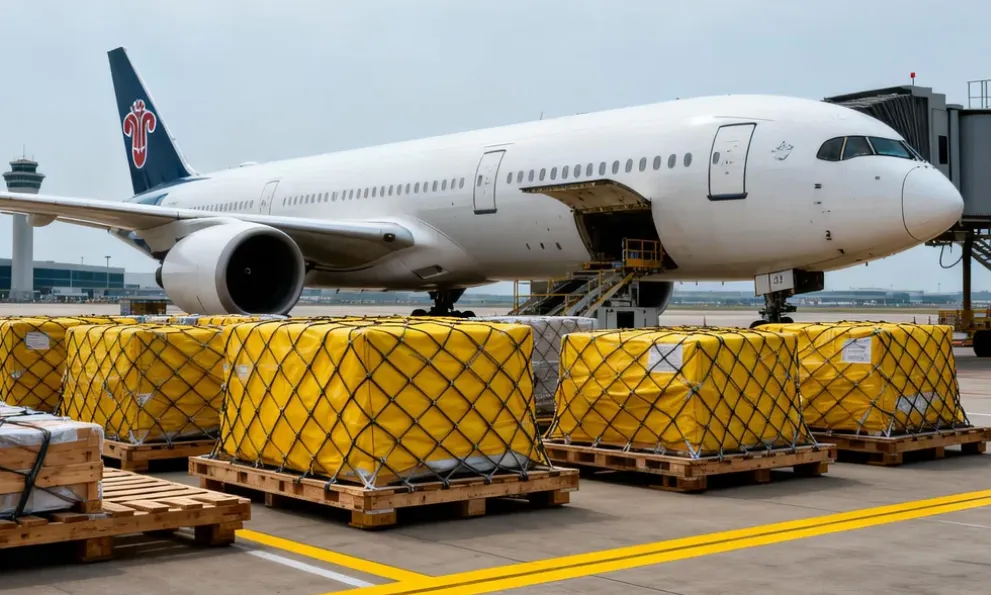
Air freight from China to Germany is ideal when speed matters more than transport cost — electronics, spare parts, samples, promotional launches, medical products, and urgent replenishment cargo.
As of August 2026, general cargo air rates on this lane usually sit in the ranges below. Actual pricing depends on chargeable weight, commodity, airport pair, space availability, and whether the service is airport-to-airport or door-to-door.
| Chargeable Weight | General Cargo Rate (USD/KG) | Typical Transit |
|---|---|---|
| Under 300 kg | $5.0 – $7.0 | 5 – 8 days |
| 300 – 500 kg | $4.5 – $6.0 | 5 – 8 days |
| Over 500 kg | $4.0 – $5.5 | 5 – 8 days |
Rates are airport-to-airport for general cargo. Express courier (DHL, FedEx, UPS) costs more per kg but includes door delivery and simpler handling for small parcels.
How air freight is actually charged
Airlines charge on chargeable weight — the higher of:
- Actual gross weight, or
- Volumetric weight, calculated as
Length (cm) x Width (cm) x Height (cm) / 6000
This matters more than most first-time shippers expect. A light but bulky shipment can be billed on far more than its scale weight.
Example: shipping 100 kg of general cargo from Shanghai to Frankfurt at USD 5.50/kg gives a line-haul freight of about USD 550. If your cartons measure 120 × 80 × 100 cm each and you ship 10 cartons, the volumetric weight is 120 × 80 × 100 / 6000 = 160 kg per carton × 10 = 1,600 kg — your bill is based on 1,600 kg, not 100 kg. That is why packaging density is the single biggest lever on air freight cost.
Beyond the per-kg rate, expect: airline fuel and security surcharges, export handling in China, terminal handling at destination, customs clearance, and last-mile delivery in Germany if you choose door-to-door.
Key considerations:
- Express courier (DHL, FedEx, UPS) is easier for small parcels and includes broader door delivery, at a premium over standard air freight.
- Special cargo — lithium batteries, dangerous goods, branded goods, temperature-sensitive cargo — may require extra documents, airline approval, and surcharges.
- Low-weight shipments face minimum charges: the per-kilo math for 5 kg is not the same as for 500 kg. For small packages, see the FAQ on parcel costs below.
For a detailed analysis of air freight rates on this route, see our guide on air freight from China to Germany.
Rail freight cost from China to Germany
Rail freight from China to Germany is the middle-ground option: faster than sea, cheaper than air, and especially useful when your destination is in inland Germany — Munich, Nuremberg, Leipzig, or Duisburg, the largest inland rail terminal for China traffic in Europe.
Rail routes and transit times
The main services run from Chinese hubs such as Xi’an, Chengdu, Chongqing, Suzhou, and Zhengzhou to German gateways including Duisburg and Hamburg. Transit is typically 12–18 days — roughly two to three weeks faster than ocean, at a price that sits 20–30% below air freight on most cargo profiles.
| Route | Transit Time | Typical 40ft Rail Cost (USD) |
|---|---|---|
| Chengdu/Chongqing → Duisburg | 15 – 18 days | $6,500 – $8,500 |
| Xi’an → Hamburg | 12 – 16 days | $6,200 – $8,000 |
| Zhengzhou → Duisburg | 14 – 18 days | $6,500 – $8,200 |
Rail rates depend on cargo type, terminal pair, and season; the ranges above are planning references for August 2026.
When rail makes sense
- Your destination is inland Germany, where ocean cargo must truck several hundred kilometers from Hamburg or Bremerhaven anyway.
- Your cargo is mid-value with a real deadline — electronics, automotive parts, industrial goods, retail products — where two extra weeks of ocean transit costs you more than the rail premium.
- You want more predictable schedules than the spot ocean market.
Rail’s main trade-off is coverage: it serves a defined network of terminals, so if your final address is far from a rail hub, the inland trucking leg can erode the advantage. Your forwarder should quote rail with the full door leg included before you compare it against sea freight.
What is the import tax from China to Germany?
Freight is only part of the cost. To calculate the real landed cost of shipping from China to Germany, you also need customs duty, import VAT, and any product-specific compliance costs. Here is how the German system works, plainly.
Main types of import taxes and duties
- Customs Duty — depends on the product’s HS code, assessed under the EU TARIC tariff. For many common industrial and consumer products the rate falls between 0% and 12%; textiles, footwear, and bicycles sit higher. Check the correct classification before shipment — it is the single biggest driver of duty accuracy.
- Value-Added Tax (VAT) — the standard German rate is 19% (a reduced 7% applies to books and some foods). VAT is calculated on CIF value + customs duty + certain charges to the first destination in Germany. If your business is VAT-registered in Germany, you can normally reclaim import VAT through your periodic return — for most importers it is a cash-flow item to fund at clearance, not a permanent cost.
- Other levies — anti-dumping duties on sensitive product groups (e.g. some steel, ceramics, and electronics categories), excise taxes on alcohol/tobacco/energy goods, and compliance costs (CE, RoHS, packaging, labeling, testing) all belong in your landed-cost model.
Sample import tax calculation
Suppose you import electronics with a CIF value of USD 10,000 and the applicable customs duty is 4%:
| Cost Component | Calculation | Amount (USD) |
|---|---|---|
| CIF Value | – | $10,000 |
| Customs Duty (4%) | $10,000 x 4% | $400 |
| Taxable Amount (CIF + Duty) | $10,000 + $400 | $10,400 |
| VAT (19%) | $10,400 x 19% | $1,976 |
| Total Import Tax & Duty | Customs Duty + VAT | $2,376 |
Notice how freight mode affects tax indirectly: higher freight raises CIF value, which raises the VAT payable at import.
Required documents for customs clearance
To clear customs in Germany, prepare:
- Commercial Invoice
- Packing List
- Bill of Lading / Air Waybill / Rail Waybill
- Import Declaration filed through German customs (ATLAS system)
- EORI number — mandatory for any commercial importer in the EU
- Certificate of Origin where applicable
- Product-specific certificates — CE marking and Declaration of Conformity for electronics, machinery, toys; MSDS, test reports, and similar where required
2026 rule changes that affect your shipping cost
Three regulatory developments are worth planning around in 2026:
- EU ETS surcharges on ocean freight — shipping has been included in the EU Emissions Trading System since 2024, and the phase-in reaches 70% of verified emissions in 2026. Carriers pass this on as a per-container surcharge on vessels calling EU ports; it already appears as a line item on many quotes and will grow through 2027.
- Proposal to end the €150 duty exemption — the EU has proposed removing the €150 customs duty exemption and low-value VAT relief for small parcels, which directly affects cross-border e-commerce flows from China. The change is proposed for 2026–2028; if you ship small parcels regularly, budget for duty and VAT on a wider share of orders.
- CBAM (Carbon Border Adjustment Mechanism) — importers of steel, aluminium, cement, fertilisers, electricity, and hydrogen must report embedded emissions during the transition period and buy CBAM certificates from 2026. If your products fall in these categories, factor the compliance paperwork and cost into your landed price.
- ICS2 (Import Control System 2) — the EU’s upgraded advance cargo declaration system applies to all modes entering the EU. Shipment data (ENS) must be filed before loading; incomplete or mismatched filings trigger screening and delay, so accurate document data matters more than ever on this lane.
Germany customs clearance & documents checklist
Customs clearance is a critical stage in the China to Germany shipping process. When documents are complete and consistent, clearance is routine; when they are not, you face inspection, storage fees, and delay. Here is the full checklist.
| Document Name | Purpose | Notes |
|---|---|---|
| Bill of Lading / Air Waybill | Proof of carriage | Must match the booking and HS codes |
| Commercial Invoice | Declares value, description, terms | Must align with HS code and Incoterms |
| Packing List | Package count, dimensions, weights | Important for inspection and handling |
| Import Declaration (EORI required) | Official filing to German Customs | Filed via ATLAS, usually by your broker |
| Certificate of Origin | Verifies manufacturing origin | May be requested depending on product and trade treatment |
| CE Certificate / Declaration of Conformity | EU compliance for regulated goods | Electronics, machinery, toys, medical devices |
| ISPM 15 documentation | Wood packaging compliance | Marked/stamped pallets and crates |
| Insurance Certificate | Proves cargo insurance coverage | Strongly recommended for commercial shipments |
| Import License / Special Permits | Restricted or controlled goods | Batteries, chemicals, food, medical devices |
Clearance tips that save time:
- Get your EORI number before the shipment departs. Without it, clearance stalls at the border.
- Classify goods correctly. The same physical item can carry very different duty rates depending on the HS code; a wrong code means overpaying duty for years or facing reassessment with penalties.
- Keep data consistent. Importer name, value, Incoterms, package count, and cargo description must match across every document.
- Plan for CE and labeling. Many Chinese products need CE marking, RoHS documentation, or German-language labeling before they can be sold — checking before shipment is far cheaper than fixing it after arrival.
At Dantful, we review commercial documents before departure whenever possible. Catching a wrong HS code, a missing CE file, or a mismatched consignee name in China costs minutes; fixing it after the shipment reaches Germany costs days and money.
Incoterms 2020: EXW vs FOB vs CIF vs DDP for China to Germany
The Incoterms you agree with your supplier decide who pays for what — and the cheapest-looking term is not always the cheapest overall. This is one of the most common sources of budget confusion, so it is worth 30 seconds to get it straight.
| Incoterm | Who Handles International Freight | Who Pays Duty & VAT | Your Total Spend Visibility | Best For |
|---|---|---|---|---|
| EXW | You (from the factory door) | You | Low visibility — many separate bills | Experienced importers with a local agent |
| FOB | You (from the origin port) | You | Medium — you control the main carriage | Most B2B importers |
| CIF | The supplier | You | Low — freight bundled, margin hidden | Small orders where the supplier arranges shipping |
| DDP | The supplier, door to door | The supplier (billed through the price) | High — one all-in price | Importers who want one accountable partner |
In practice: most China–Germany shipments trade on FOB, because it lets you control carrier selection and the freight margin — usually where cost and reliability are won or lost. DDP makes budgeting simple: one price covers freight, duty, VAT, and delivery, and your forwarder is accountable for the whole chain. If you are new to importing or shipping a one-off order, a transparent DDP quote removes the guesswork.
Transit time from China to Germany
Transit time depends on transport mode, origin city, destination in Germany, customs processing, and whether routing is direct or transshipment. The ranges below are realistic planning estimates for August 2026, not best-case marketing transit. For a fuller treatment of schedules and delay factors on this lane, see how long is freight from China to Germany.
Sea freight transit time
| Route | FCL | LCL |
|---|---|---|
| Shanghai to Hamburg | 28-34 days | 34-40 days |
| Shenzhen to Hamburg | 29-35 days | 35-42 days |
| Ningbo to Hamburg | 28-34 days | 34-41 days |
| Qingdao to Hamburg | 31-37 days | 37-43 days |
| Guangzhou to Hamburg | 30-36 days | 36-42 days |
LCL takes longer because cargo is consolidated at origin and deconsolidated at destination.
Air freight transit time
| Route | Standard Air Freight | Express Air Freight |
|---|---|---|
| Shanghai to Frankfurt | 5-8 days | 1-3 days |
| Shenzhen to Frankfurt | 5-8 days | 1-3 days |
| Guangzhou to Munich | 6-8 days | 1-3 days |
| Beijing to Frankfurt | 5-8 days | 1-3 days |
Airport arrival is not final delivery: customs clearance, handling, and trucking add another 1-3 days.
Rail freight transit time
| Route | Transit Time |
|---|---|
| Chengdu/Chongqing/Xi’an to Duisburg/Hamburg | 12-18 days |
Rail schedules are more predictable than ocean transit, though border processing and terminal congestion can add delay.
Door-to-door transit time
Including pickup, line-haul, customs clearance, terminal handling, and final delivery:
- Sea freight door-to-door: 33-45 days
- Air freight door-to-door: 8-12 days
- Rail freight door-to-door: 16-24 days
A useful habit: separate port-to-port transit time from real door-to-door lead time when planning inventory. That single distinction prevents most purchasing mistakes. For a step-by-step walkthrough of the full delivery chain, see our door-to-door shipping from China to Germany guide.
Tips to reduce shipping cost from China to Germany
Reducing cost is about making informed choices, not squeezing rates. The most successful importers control cost by choosing the right mode, planning bookings early, and understanding exactly what a quote does and does not include.
1. Compare shipping modes on total cost, not headline rate
The cheapest shipping company from China to Germany is rarely the one with the lowest headline rate — it is the one whose quote covers the full chain. Compare modes on the total picture:
| Mode | Best For | Typical Cost (August 2026) | Transit |
|---|---|---|---|
| Sea Freight | Large volumes, flexible sizes | $1,900-$3,200/20ft FCL | 28-38 days |
| Rail Freight | Mid-volume, time-sensitive, inland Germany | $6,200-$8,500/40ft | 12-18 days |
| Air Freight | Urgent, high-value | $4.0-$7.0/kg | 5-8 days |
| Consolidated (LCL) | Smaller shipments | $60-$130/CBM + fees | 34-43 days |
2. Optimize cargo packing and volume
- Know your container math: 20ft ≈ 28 CBM, 40ft ≈ 56 CBM, 40HQ ≈ 68 CBM.
- Use stackable packaging and consistent carton sizes to reduce empty space.
- For light but bulky cargo, compare air volumetric weight and 40HQ ocean freight before deciding — a 40HQ’s extra height often beats air on cost per unit.
3. Plan shipments in advance
- Book before peak windows: pre-summer procurement, year-end retail cycles, and the run-up to Chinese New Year.
- Give your forwarder time to compare direct and transshipment options instead of accepting an urgent-rate quote.
4. Know what your quote includes
A quote can be port-to-port or door-to-door; ocean-only or with clearance; per-kg or all-in. Asking three questions up front saves the most money: Does this include German terminal handling? Does it include customs clearance? Does it include inland delivery? The table below shows the destination charges you will typically see, so nothing surprises you later.
| German Destination Charge | Typical Cost (USD) | What It Is & How to Plan |
|---|---|---|
| Terminal handling (THC) | $250 – $450 per container | Port/terminal fee for handling your box; standard, included in many all-in quotes — confirm before booking |
| Customs clearance (broker) | $100 – $250 per shipment | Broker files the import declaration via ATLAS; budget it or use a DDP service where it is bundled |
| Inland trucking (port to warehouse) | $200 – $450 per container | Hamburg to most German cities; ask for the door rate, not just the port rate |
| Demurrage & detention | $100 – $200 per day | Charged when a container stays at port/terminal beyond free time; plan your customs timeline to avoid it |
| Storage after customs delay | $50 – $150 per day | Only occurs if clearance stalls; complete documents avoid it entirely |
None of these are hidden — they are standard parts of the cost chain, and a professional forwarder lists them in the quote. Understanding them in advance is what keeps your budget accurate.
5. Choose practical Incoterms
- EXW can look cheap on paper, but you handle origin pickup and export formalities.
- FOB is often the best balance of control and simplicity for B2B importers.
- DAP/DDP simplifies budgeting when you want one accountable partner for the full door-to-door chain.
6. Minimize customs duties and taxes legally
- Use the correct HS code and verify it against TARIC.
- Confirm whether your products need testing, labeling, or compliance files before shipment.
- Calculate CIF + duty + VAT before booking so the landed cost is clear up front.
7. Time your shipments around the seasonal calendar
| Season / Event | Effect on Rates | Booking Advice |
|---|---|---|
| Chinese New Year (Jan-Feb) | Factory closures; capacity tightens; rates spike | Book 3-4 weeks ahead, or ship before the shutdown |
| Golden Week (Oct 1 + week) | Holiday peak; delays | Avoid booking during the closure window |
| Dragon Boat Festival (June) | 3-day closures; minor delays | Minor — plan around it if you can |
| Q3-Q4 holiday ramp (Jul-Dec) | Ocean rates rise steadily; air tightens in autumn | Lock rates early; expect PSS on ocean |
Freight forwarder from China to Germany: how to choose a reliable partner
Choosing the right freight forwarder is one of the most important decisions when shipping from China to Germany. A capable partner does more than book space — they help you control landed cost, prevent documentation errors, reduce clearance delays, and match the shipping mode to your business timeline. Working with a dedicated shipping agent from China to Germany gives you a single accountable point of contact for the whole chain.
Why work with a freight forwarder?
- Route expertise: practical knowledge of carriers, ports, airports, and rail options on the China–Germany lane.
- End-to-end solutions: booking, pickup, consolidation, customs clearance, and last-mile delivery under one plan.
- Cost optimization: comparing FCL, LCL, rail, air, and door-to-door on total cost rather than headline rate.
- Compliance support: reviewing documents before departure to reduce customs risk.
- Tracking and exception handling: managing delays, schedule changes, and delivery coordination proactively.
Four questions that matter on this specific lane:
- Does your quote include German THC, customs clearance, and inland delivery — or are they listed separately? Transparent line items beat a low headline number every time.
- How do you handle EU ETS surcharges and 2026 rule changes? A partner who tracks CBAM and the €150 exemption proposal saves you from surprises later.
- Can you quote rail for inland destinations like Munich or Leipzig, with the full door leg included? Many forwarders quote ocean-only; the rail option can save you weeks.
- What is your demurrage and free-time policy at Hamburg/Bremerhaven? Clear terms here protect you from avoidable daily charges.
A qualified freight forwarder from China to Germany answers all four without hesitation — that is the practical filter.
Why choose Dantful International Logistics?
If your priority is lower total cost, more predictable transit, and safer cargo handling, that is where Dantful International Logistics adds value on China to Germany shipments.
1. Transparent cost control, not just a lower headline rate
- We quote sea freight, air freight, rail freight, and door-to-door on total landed cost, with every charge itemized — freight, origin charges, destination charges, duty, and VAT — so you always know what you are paying for and why.
- For smaller shipments, we help you decide whether LCL, consolidation, or waiting to fill a container gives you the better cost per unit.
2. Reliable transit planning
- We match the shipping mode to your real delivery target, whether you need the lowest-cost sea freight, the speed of air freight, or the balance of rail freight.
- We build schedules around practical lead time — pickup, export handling, main carriage, customs clearance, final delivery — not just the carrier’s port-to-port estimate.
3. Stronger cargo safety and compliance
- We review shipping documents before departure to reduce the risk of customs holds and clearance problems in Germany.
- We support safer handling through proper booking selection, cargo requirement checks, and optional cargo insurance for higher-risk or higher-value shipments.
- For sensitive, oversized, and project shipments, we plan transport and handling in advance to reduce damage and operational risk.
This is why importers choose a forwarder on more than price alone — they choose the partner that keeps costs visible, timelines realistic, and cargo secure from origin in China to final delivery in Germany.
FAQ: shipping from China to Germany
How much does it cost to ship a container from China to Germany?
Shipping a full container from China to Germany in August 2026 typically costs USD 1,900–3,200 for a 20ft container and USD 3,200–5,500 for a 40ft container, port-to-port from major Chinese ports (Shanghai, Shenzhen, Ningbo, Guangzhou, Qingdao) to Hamburg or Bremerhaven. A 40HQ high cube costs only USD 100–200 more than a standard 40ft while offering roughly 12 CBM of extra space. These ranges are planning estimates for August 2026 — actual quotes depend on your port pair, cargo type, and booking dates, and exclude customs duty, VAT, German destination charges, and inland delivery (see the FCL tables above for a full port-by-port breakdown).
How much will it cost to ship a package to Germany?
For small parcels from China to Germany, the main options are express courier or economy air service. Sea freight and rail are rarely cost-effective for very small parcels because minimum handling charges apply.
| Shipping Mode | Small Package (5 kg) | Medium Package (20 kg) |
|---|---|---|
| Air Express (DHL/FedEx/UPS) | USD 60-104 | USD 192-312 |
| Air Economy | USD 38-70 | USD 124-240 |
| LCL Sea Freight | Usually not economical | Usually not economical |
How much does it cost to ship 1kg from China to Germany?
Published per-kilo air rates do not tell the full story for a 1 kg shipment because minimum charges apply:
- Air Express: roughly USD 11-22 door-to-door
- Standard Air Freight: not ideal for 1 kg alone unless combined with a larger shipment
- Rail/Sea Freight: not practical at this weight due to minimum LCL charges and handling costs
For parcels under 50 kg, express courier is usually the most practical solution.
How much is import duty in Germany?
Import duty depends on the product’s HS code under the EU TARIC tariff. As a general reference:
- Import duty: often 0%-12% for common goods; textiles, footwear, and bicycles sit higher
- VAT: 19% standard (7% reduced for books and some foods)
- Other: anti-dumping duty, excise duty, or compliance charges may apply by product
Example: CIF value USD 1,000, duty 6% → Duty USD 60, VAT USD 201.40 on (1,000 + 60), total tax USD 261.40.
What is the cheapest way to ship from China to Germany?
For most commercial cargo, sea freight is the cheapest method. The best low-cost option depends on shipment size:
| Shipping Mode | Best For | Estimated Price | Transit |
|---|---|---|---|
| Sea LCL | 1-10 CBM | $60-$130/CBM* | 34-43 days |
| Sea FCL | 12-15 CBM+ | $1,900-$3,200/20ft | 28-34 days |
| Rail Freight | Medium-volume, time-sensitive | $6,200-$8,500/40ft | 12-18 days |
| Air Freight | Urgent, high-value | $4.0-$7.0/kg | 5-8 days |
LCL rates exclude per-shipment German destination charges (see the LCL table above). Shipping into neighboring EU markets follows the same structure — see our comparison of shipping from China to France for reference rates on a comparable lane.
Do 2026 rule changes (EU ETS, €150 exemption, CBAM) affect my shipping cost?
Yes, three ways: EU ETS surcharges now appear on ocean freight into EU ports and will grow through 2027; the proposed €150 duty exemption removal will raise landed cost on small e-commerce parcels once adopted; CBAM adds reporting and certificate costs for steel, aluminium, cement, fertilisers, electricity, and hydrogen imports. A good forwarder tracks all three and reflects them in transparent quotes.
Get an accurate quote for your China to Germany shipment
The right price for your shipment depends on cargo type, volume, weight, urgency, and delivery terms. Dantful International Logistics provides customized quotes for sea freight, air freight, rail freight, door-to-door, customs clearance, and warehouse services — with every cost itemized so you can compare like with like and budget with confidence. As a Class-A licensed, NVOCC/FMC-certified forwarder with 15+ years on this lane and 24/7 tracking, we make shipping from China to Germany straightforward.
Contact Dantful International Logistics for a transparent, itemized quote based on your cargo profile.

Young Chiu is a seasoned logistics expert with over 15 years of experience in international freight forwarding and supply chain management. As CEO of Dantful International Logistics, Young is dedicated to providing valuable insights and practical advice to businesses navigating the complexities of global shipping.