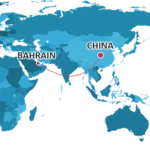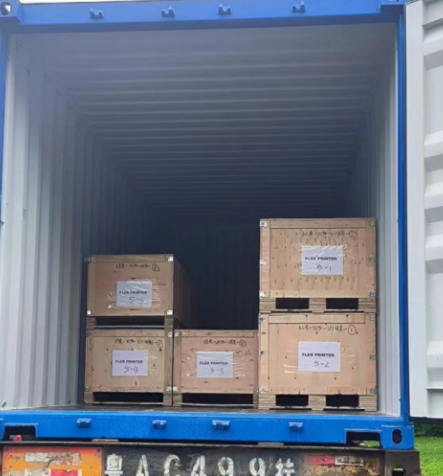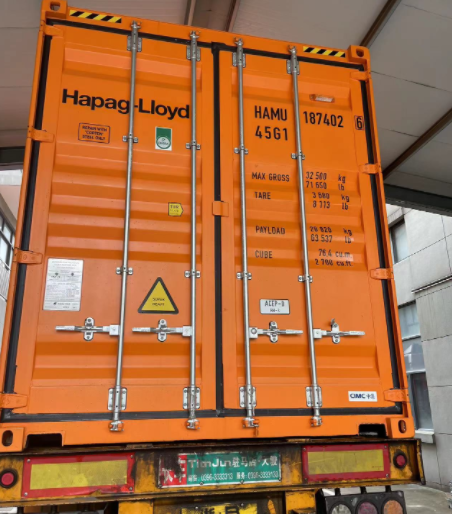
If you’re sourcing products from Chinese suppliers and trying to figure out how much is shipping from China to Bahrain, you’ve probably already discovered the uncomfortable truth: the number you see on a quick online quote is rarely the number you end up paying. A $1,200 container quote can balloon to $2,000+ once destination charges, customs fees, and surcharges enter the picture. And if you’re comparing quotes across different Incoterms — EXW, FOB, CIF, DDP — it gets even more confusing, because each term hides or reveals different slices of the total cost.
This guide solves that problem. Drawing on over 15 years of hands-on experience managing China-to-Middle East freight from our operations center in Shenzhen, we’ve compiled this data from actual carrier rate sheets, hundreds of client shipments through 2025–2026, and real-time market intelligence that our team tracks daily. We’ll walk you through exact 2026 price ranges for every shipping method (sea FCL/LCL, air freight, express courier, and door-to-door DDP), a line-by-line breakdown of where your money actually goes, a practical Incoterms comparison to help you pick the most cost-effective trade term, and insider strategies to cut your shipping costs without cutting corners. Whether you’re a first-time importer or a seasoned B2B buyer, by the end of this guide you’ll know exactly what to budget — and how to avoid the hidden fees that eat into your margins.
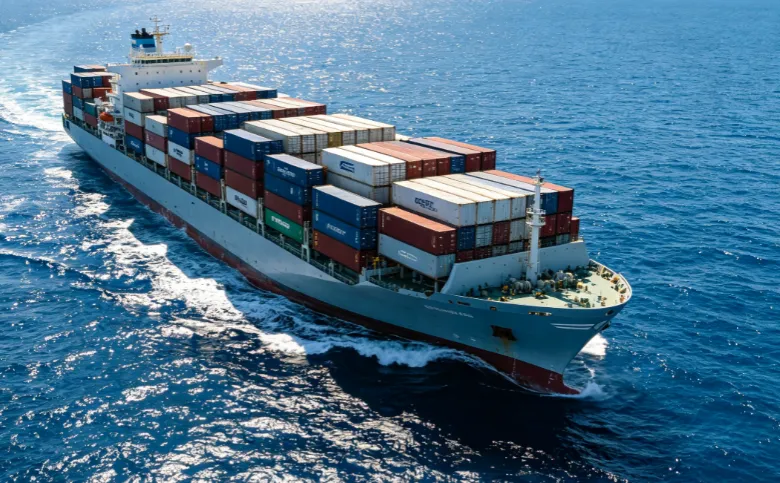
2026 Shipping Costs at a Glance: Sea, Air & Courier Compared
Before diving into the details, here’s a master comparison of every major shipping method from China to Bahrain in 2026. Use this table as your quick-reference decision tool:
| Shipping Method | Cost Range (2026) | Transit Time | Best For |
|---|---|---|---|
| Sea Freight LCL | $100–$180 per CBM | 25–35 days | Small shipments under ~15 CBM |
| Sea Freight 20ft FCL | $1,800–$2,800 per container | 25–35 days | Medium-volume bulk cargo (~28 CBM) |
| Sea Freight 40ft FCL/HQ | $2,600–$4,800 per container | 25–35 days | Large-volume shipments (~58–68 CBM) |
| Air Freight (100kg+) | $4.50–$6.50 per kg | 3–6 days | Time-sensitive cargo, high-value goods |
| Express Courier (<50kg) | $7.00–$10.00+ per kg | 3–5 days | Samples, documents, small parcels |
| Door-to-Door DDP (Sea) | $150–$300 per CBM | 18–28 days | Hassle-free, all duties & taxes included |
| Door-to-Door DDP (Air) | $6.00–$15.00 per kg | 5–9 days | Urgent door-to-door with full customs handled |
What’s the cheapest way to ship from China to Bahrain? For small shipments under 15 CBM, sea freight LCL at $100–$180/CBM is your most economical option. For larger volumes, a 40ft FCL container delivers the lowest cost per unit — often under $50 per CBM when fully utilized. However, “cheapest” doesn’t always mean “best value.” A $150/CBM LCL rate that takes 35 days and leaves you handling customs yourself may cost more in time and stress than a $210/CBM DDP service that delivers to your warehouse with all duties paid.
⚠️ Important caveat — How we sourced these numbers: The pricing in this guide reflects June 2026 market data, compiled from Dantful’s actual rate sheets, carrier-announced surcharge schedules (including Maersk, MSC, COSCO, and CMA CGM), and freight forwarder benchmark data for the China–Middle East corridor. These are reference ranges — actual quotes vary by origin port, cargo type, dimensions, fuel surcharges at the time of booking, and seasonal demand. Always request a real-time, line-item quote from your freight forwarder before budgeting. Prices quoted throughout this guide are in USD unless otherwise noted.
Sea Freight from China to Bahrain: FCL & LCL Costs in Detail
Sea freight dominates China-to-Bahrain trade for one simple reason: it offers the best unit economics for shipments over 1 CBM. Whether you’re shipping a pallet of electronics or a full container of furniture, understanding the FCL vs LCL cost structure is the foundation of your shipping budget.
FCL (Full Container Load) Pricing
When you book a Full Container Load, you’re renting the entire container. Your goods travel alone, sealed from origin to destination — which means faster transit, lower damage risk, and simpler customs clearance compared to shared-container shipping.
| Container Type | Capacity | 2026 Price Range (Port-to-Port) | Typical Use Case |
|---|---|---|---|
| 20ft GP | ~28 CBM / ~10 standard pallets | $1,800–$2,800 | Small-to-medium bulk, machinery, auto parts |
| 40ft GP | ~58 CBM / ~22 standard pallets | $2,600–$3,800 | Large-volume consumer goods, furniture, textiles |
| 40ft HQ | ~68 CBM / ~24 standard pallets | $2,800–$4,800 | Bulky but lightweight cargo; ideal for furniture, textiles, and Breakbulk Freight items that require extra vertical clearance |
FCL shipping is the default choice for volumes above 15 CBM. For specialized oversized cargo that won’t fit standard containers — such as industrial machinery, construction equipment, or yacht components — OOG (Out of Gauge) Freight services with flat-rack or open-top container solutions are available. While OOG rates are cargo-specific and quoted case-by-case, knowing this option exists can save you from assuming your oversized shipment simply “can’t be done.”
Port-by-port price variation. Not all Chinese ports are created equal for Middle East sailings. Here’s the typical spread for a 20ft FCL to Khalifa Bin Salman Port in 2026:
- Shenzhen (Yantian/Shekou): $1,800–$2,500 — most frequent Middle East sailings, most competitive rates
- Shanghai: $1,900–$2,700 — slightly higher base freight but excellent service coverage
- Ningbo: $1,850–$2,600 — competitive alternative to Shanghai, growing Middle East capacity
- Guangzhou (Nansha): $1,900–$2,800 — good for southern China suppliers
- Qingdao/Tianjin: $2,000–$2,800 — northern ports, fewer direct sailings to the Gulf
Why does port choice matter? Picking a port close to your supplier avoids expensive domestic trucking across China, and ports with higher sailing frequency (like Shenzhen and Shanghai) tend to offer more competitive rates due to carrier volume commitments. Our team at Dantful, based in Shenzhen right next to the Yantian and Shekou terminals, leverages these port-proximity advantages to secure lower base freight for our clients.
LCL (Less than Container Load) Pricing
If your shipment doesn’t fill a container, Less than Container Load lets you share container space with other importers’ cargo. You only pay for the cubic meters (CBM) you use:
| Volume Tier | 2026 Rate (per CBM) | Notes |
|---|---|---|
| 1–3 CBM | $150–$180 | Entry-level pricing, minimum 1 CBM charge typically applies |
| 4–8 CBM | $120–$150 | Volume discount kicks in, better unit economics |
| 9+ CBM | $100–$130 | Approaching FCL-level unit pricing |
The LCL-to-FCL breakeven point. Here’s a practical tip most guides miss: once your shipment reaches approximately 12–15 CBM, a 20ft FCL often becomes cheaper than LCL on a per-unit basis. For example, 14 CBM via LCL at $130/CBM = $1,820 total freight, while a 20ft FCL might run $2,100 — just $280 more, but with exclusive container use, faster transit (no consolidation/deconsolidation delay), and lower damage risk. If you’re consistently shipping 10+ CBM per month, it’s worth running the numbers on FCL. For a deeper comparison of these two modes, see our guide on LCL vs FCL Shipping: How to Choose the Right Option for Small Cargo.
Transit Time by Route
Most China-to-Bahrain sea freight transships through Jebel Ali Port in Dubai — ranked among the world’s top 10 container ports by the World Bank’s Logistics Performance Index — which serves as the region’s primary container hub — and for importers serving the broader Gulf market, our Shipping from China to UAE service offers direct access to this key logistics gateway. From there, a feeder vessel completes the short hop to Khalifa Bin Salman Port in Bahrain:
| Origin Port | Total Transit to Bahrain | Notes |
|---|---|---|
| Shenzhen (Yantian/Shekou) | 25–30 days | Shortest overall transit from South China |
| Shanghai | 28–35 days | Reliable frequency, 2–3 sailings per week |
| Ningbo | 27–32 days | Often paired with Shanghai on same service loop |
| Guangzhou (Nansha) | 26–31 days | Competitive for Pearl River Delta factories |
Sea-Air Hybrid: The Middle-Ground Option
Not urgent enough for air freight, but 35 days is too long? The sea-air hybrid routes cargo by sea from China to Dubai (15–20 days), then by air from Dubai to Bahrain (1 day). Total transit lands around 18–22 days, and the all-in cost works out to roughly $3.50–$5.00 per kg equivalent — about 30–40% cheaper than direct air freight. This is an underutilized option worth discussing with your forwarder, especially for shipments in the 100–500kg range.
Air Freight & Express Courier: When Speed Justifies the Price
When time is money, air freight from China to Bahrain delivers in days instead of weeks. But speed comes at a premium — and understanding the nuances of air cargo pricing can save you from overpaying.
Air Freight (Airport-to-Airport)
Air freight pricing follows a tiered structure: the more you ship, the lower your rate per kilogram. Here are 2026 reference rates for the major China-to-Bahrain air corridor:
| Chargeable Weight | 2026 Rate (USD/kg) | Transit Time |
|---|---|---|
| 45–99 kg | $5.50–$7.50 | 3–6 days |
| 100–299 kg | $4.50–$6.50 | 3–6 days |
| 300–499 kg | $3.80–$5.50 | 3–6 days |
| 500–999 kg | $3.20–$4.80 | 3–6 days |
| 1,000+ kg | $2.80–$4.20 | 3–6 days |
Major routes connect China’s key cargo airports — Shanghai Pudong (PVG), Guangzhou Baiyun (CAN), Shenzhen Bao’an (SZX), and Hong Kong (HKG) — to Bahrain International Airport (BAH). Most flights transit through a Gulf hub: Emirates via Dubai (DXB), Qatar Airways via Doha (DOH), or Gulf Air direct.
Chargeable weight explained. This is the single most important concept in air freight pricing — and the one that surprises first-time shippers. Airlines charge based on chargeable weight, which is the greater of actual gross weight and volumetric weight. Volumetric weight is calculated as:
Volumetric Weight (kg) = Length (cm) × Width (cm) × Height (cm) ÷ 6,000
For example: a carton measuring 60cm × 50cm × 40cm and weighing 15 kg has a volumetric weight of (60×50×40) ÷ 6,000 = 20 kg. You’ll pay for 20 kg, not 15 — a 33% increase. This is why lightweight, bulky items (pillows, insulation, empty containers) are notoriously expensive to ship by air. Always calculate both weights before requesting an air freight quote.
Express Courier (Door-to-Door)
For samples, documents, and small urgent parcels under 50 kg, international express couriers offer the fastest door-to-door service:
| Courier | 2026 Rate (USD/kg) | Transit | Best For |
|---|---|---|---|
| DHL Express | $7.50–$10.00+ | 3–5 days | Documents, samples, electronics |
| FedEx International Priority | $7.00–$9.50+ | 3–5 days | E-commerce parcels, express B2B |
| UPS Express Saver | $7.00–$9.00+ | 3–5 days | Commercial shipments, heavier small parcels |
Express courier rates drop significantly for shipments over 21 kg and again at 45 kg. For shipments under roughly 30 kg, express courier is usually cheaper than air freight once you factor in the door-to-door convenience and included customs brokerage. Above 100 kg, traditional air freight almost always wins.
Door-to-Door & DDP Shipping: What’s Really Included in the Price
Door-to-door DDP shipping from China to Bahrain is the closest thing in logistics to a “one-click purchase.” You pay one all-inclusive price, and your freight forwarder handles everything from the supplier’s loading dock in China to your warehouse door in Bahrain — including import duties and taxes. (For a dedicated walkthrough, read our complete door to door shipping from China to Bahrain guide.) But what does that price actually cover?
The 7-Step DDP Journey
Every door-to-door DDP shipment follows this chain:
- Supplier Pickup — Truck collects cargo from your factory or supplier’s warehouse anywhere in China
- Export Customs Clearance — Chinese customs documentation, inspection coordination, and export declaration
- International Freight — Sea (LCL or FCL) or air transport to Bahrain
- Import Customs Clearance — Bahrain Customs (Ofoq system) processing, including duty and VAT assessment
- Duty & Tax Payment — Your forwarder pays the 5% customs duty and 10% VAT on your behalf
- Final Mile Delivery — Truck delivery to your door in Manama, Riffa, Muharraq, Hamala, or anywhere in Bahrain
- Tracking & Support — Milestone updates at every step, from pickup to delivery confirmation
DDP Sea Freight Pricing
| Service Type | 2026 Price Range | Transit Time |
|---|---|---|
| LCL DDP (1–3 CBM) | $180–$300 per CBM | 25–35 days door-to-door |
| LCL DDP (4–8 CBM) | $150–$260 per CBM | 25–35 days door-to-door |
| LCL DDP (9+ CBM) | $120–$230 per CBM | 25–35 days door-to-door |
| 20ft FCL DDP | $2,800–$4,500 per container | 25–35 days door-to-door |
| 40ft FCL DDP | $4,200–$6,800 per container | 25–35 days door-to-door |
Real-world cost example. Let’s walk through a concrete scenario to make this tangible:
You’re importing 3 CBM of Bluetooth speakers from a supplier in Shenzhen to your warehouse in Manama. The supplier’s EXW price is $12,000. Your door-to-door DDP quote is $210/CBM.
Cost Item Calculation Amount DDP freight (3 CBM × $210) — $630 Customs duty (5% × $12,000) — $600 VAT (10% × ($12,000 + $600)) — $1,260 Total landed cost (product + shipping + duty + VAT) — $14,490 That $14,490 is your true all-in cost — door-to-door, customs cleared, duties and taxes fully paid. No surprise invoices. No last-minute clearance fees. No need to register for a Bahrain VAT account.
DDP Air Freight Pricing
| Chargeable Weight | 2026 DDP Rate (USD/kg) | Transit Time |
|---|---|---|
| 5–20 kg | $9.00–$15.00 | 5–8 days |
| 21–50 kg | $8.00–$13.00 | 5–8 days |
| 51–100 kg | $7.00–$12.00 | 5–9 days |
| 101–300 kg | $6.00–$10.00 | 6–9 days |
| 300+ kg | Custom quote | 6–10 days |
Amazon FBA Shipping to the Middle East from China
If you sell on Amazon in the Gulf region, you need a specialized FBA forwarding solution. While Amazon doesn’t have a dedicated fulfillment center in Bahrain itself, Amazon.ae (UAE) and Amazon.sa (Saudi Arabia) serve Bahrain-based customers. A typical Amazon FBA shipment from China to the Middle East requires:
- FBA compliance prep: Amazon-mandated FNSKU labels, suffocation warning labels, carton weight limits (max 23 kg unless “team lift” marked), and pallet specifications
- Customs routing strategy: Shipments destined for Amazon UAE fulfillment centers can route directly to Dubai or Jebel Ali, avoiding a double import (China→Bahrain→UAE)
- Carrier appointment: Unlike residential DDP, Amazon warehouses require advance delivery appointments — your forwarder must coordinate this or risk rejected deliveries
At Dantful, we provide end-to-end Amazon FBA forwarding from China, including supplier pickup, quality inspection, FBA-compliant labeling and palletization, export clearance, and scheduled delivery to Amazon fulfillment centers across the GCC. This is a service area our competitors rarely cover in their content — and it’s one where mistakes at the labeling or scheduling stage can result in entire shipments being rejected at the warehouse dock.
DDP vs Port-to-Port: Which Should You Choose?
| Scenario | Best Option |
|---|---|
| First-time importer, no Bahrain Commercial Registration (CR) | DDP — forwarder acts as importer of record |
| Established business with Bahrain customs broker | Port-to-port FOB or CIF — more cost control |
| Shipment under 5 CBM, low tolerance for paperwork | DDP — all-inclusive, minimal involvement |
| Shipment over 15 CBM, experienced import team | Port-to-port FCL — lowest unit cost |
| E-commerce seller without local entity | DDP — no CR or VAT registration needed |
Incoterms Cost Comparison: EXW vs FOB vs CIF vs DDP — Which Saves You More?
Here’s a mistake we see repeatedly: an importer compares a $15,000 EXW quote with a $18,000 DDP quote and chooses EXW to “save $3,000” — then discovers they actually paid $21,000 after freight, insurance, customs brokerage, duties, VAT, and last-mile delivery. The Incoterm you choose determines how the total cost pie is sliced, not the size of the pie itself.
The Iceberg Principle
Think of Incoterms like an iceberg. The quoted price (the “tip”) is what you see on the supplier’s invoice. The hidden bulk is everything else: pickup, export clearance, ocean freight, insurance, destination port charges, customs brokerage, import duty, VAT, and final delivery. Different Incoterms reveal or conceal different layers — but the total cost of moving goods from a Chinese factory to a Bahrain warehouse is the same regardless. You’re just deciding who pays which bill.
Four-Term Comparison (from a Bahrain Importer’s Perspective)
| Who Pays For… | EXW | FOB | CIF | DDP |
|---|---|---|---|---|
| China pickup & loading | ❌ Buyer | ❌ Buyer | ✅ Seller | ✅ Forwarder |
| Export customs clearance | ❌ Buyer | ✅ Seller | ✅ Seller | ✅ Forwarder |
| Ocean freight | ❌ Buyer | ❌ Buyer | ✅ Seller | ✅ Forwarder |
| Cargo insurance | ❌ Buyer | ❌ Buyer | ✅ Seller* | ✅ Forwarder |
| Bahrain import duty (5%) & VAT (10%) | ❌ Buyer | ❌ Buyer | ❌ Buyer | ✅ Forwarder |
| Bahrain customs clearance | ❌ Buyer | ❌ Buyer | ❌ Buyer | ✅ Forwarder |
| Last-mile delivery in Bahrain | ❌ Buyer | ❌ Buyer | ❌ Buyer | ✅ Forwarder |
| Risk transfers to buyer at… | Factory gate, China | Onboard vessel at Chinese port | Discharge at Bahrain port | Your door in Bahrain |
| Best for… | Importers with own China logistics team | Buyers with a freight forwarder & customs broker | Buyers who want freight covered, handle customs locally | First-time importers, no Bahrain CR needed |
*CIF includes minimum insurance coverage (110% of invoice value under Institute Cargo Clauses C — the narrowest coverage). Most importers should purchase additional all-risk coverage separately.
Decision Shortcut
- Choose EXW only if you have a team or agent in China handling pickup and export — the cost savings are real, but so are the coordination demands.
- Choose FOB if you work with a trusted freight forwarder who can handle the ocean freight, insurance, and Bahrain-side clearance better than your supplier can.
- Choose CIF if you prefer letting the supplier handle freight but still plan to manage Bahrain customs with your own broker — just watch the insurance coverage gap.
- Choose DDP if this is your first import, you don’t have a Bahrain Commercial Registration, or you simply want a single invoice and zero surprises. For most SMEs importing from China to Bahrain, DDP is the pragmatic choice. We’re transparent about this: DDP costs more upfront because all charges are consolidated into one price, but it eliminates the risk of unexpected costs at destination — which we’ve seen catch even experienced importers off guard when Bahrain Customs reclassifies goods or assesses additional inspection fees.
Hidden Factors That Drive Your Shipping Costs (And How to Control Them)
The base freight rate is just the starting line. Here are six factors that can add hundreds — sometimes thousands — of dollars to your final shipping bill.
1. Peak Season Surcharges (PSS)
Carriers impose Peak Season Surcharges during high-demand periods. Based on Maersk’s 2025 PSS announcements for the Far East-to-Middle East corridor, expect surcharges of $200–$800 per container during peak windows. The key windows to avoid:
- August–October: Pre-Q4 inventory buildup and holiday retail stocking
- Two weeks before Chinese New Year (late January/early February): Factories rush to ship before the 2–3 week holiday shutdown
Strategy: Book 4–6 weeks in advance, or ship during shoulder seasons (March–May and November–December) to save 15–25% on base freight rates. We’ve helped clients shift their annual procurement calendars by just 4–6 weeks and watched their per-container costs drop by hundreds of dollars — with no other changes to their supply chain.
2. Bunker Adjustment Factor (BAF)
The Bunker Adjustment Factor is a floating surcharge carriers use to pass fuel cost volatility to shippers. When oil prices rise, BAF rises. In 2025–2026, BAF on the China-Middle East lane has been moderately volatile, typically adding $150–$400 per container depending on the quarter. Most forwarders quote BAF-inclusive rates, but always confirm — a “BAF excluded” quote can look deceptively cheap.
3. Geopolitical Impact: Red Sea and Regional Stability
Since late 2023, Houthi attacks on commercial vessels in the Red Sea have forced most Asia-Europe container traffic to reroute around the Cape of Good Hope, adding 10–14 days and significant cost. The good news for China-to-Bahrain shippers: most cargo on this route transships via Jebel Ali (UAE), staying entirely within the Persian Gulf and avoiding the Red Sea transit. This means the direct route impact is limited.
However, there is a secondary effect: the global container capacity shortage caused by Asia-Europe vessels being tied up on the longer Cape route has rippled across all trade lanes. For the China-Middle East corridor, this has translated into an estimated 15–25% rate increase compared to pre-crisis levels. We monitor these developments daily and advise clients on optimal booking windows.
4. Currency Exchange and Payment Terms
Ocean freight is quoted in USD globally. If the Chinese Yuan (RMB) appreciates against the USD, your supplier-side costs effectively rise. For large FCL shipments where the supplier pays local charges in RMB under FOB or CIF terms, a 5% RMB appreciation can add $100–$200 to the “local charges” portion of your quote.
5. Cargo Insurance: The Cost of Not Having It
Most importers treat cargo insurance as optional — until something goes wrong. Having handled claims across hundreds of shipments over 15 years, we can tell you: the $50 policy always beats the $5,000 loss. Here’s what you need to know:
- Cost: Typically 0.3%–0.5% of the insured cargo value. Insuring a $10,000 shipment costs just $30–$50.
- What it covers: Total loss, partial damage, theft, water damage, general average contributions, and container overboard losses.
- What it doesn’t cover (unless you add riders): Inherent vice (product defects), improper packaging, war risks, and strikes.
- The CIF trap: Remember that CIF only includes minimum Clause C coverage — basically total loss only. If your container arrives with 30% water damage from a leaking hatch, Clause C won’t cover it. Always purchase Institute Cargo Clauses A (all-risk) coverage, either through your forwarder’s Insurance Services or directly.
In 15 years of freight forwarding, we’ve seen everything from containers lost overboard during monsoon season to cargo destroyed by Gulf summer heat inside inadequately ventilated containers. One client’s shipment of branded footwear — worth $18,000 — arrived in Manama with 40% water damage from a storm at sea. Their cargo insurance (cost: $72) reimbursed the full insured value within 18 days. Another client without insurance lost a $9,500 shipment of ceramic tiles to rough handling; there was no recourse. A $50 insurance policy would have made every one of those clients whole. Don’t skip this.
6. The Hidden Fee Checklist
Before you sign any shipping quote, ask your forwarder to confirm whether these items are included:
| Fee | Typical Range | Often Hidden In… |
|---|---|---|
| Terminal Handling Charges (THC) | $80–$150 per container | Port-to-port FOB quotes |
| Bill of Lading / Documentation Fee | $30–$65 | Both FOB and CIF quotes |
| Destination Delivery Order Fee | $50–$100 | CIF quotes (buyer’s side) |
| Detention & Demurrage | BHD 16–64/day beyond free time | Any term where buyer handles clearance |
| Customs Examination Fee | $100–$300 (if flagged) | DDP and CIF quotes |
| Remote Area Delivery Surcharge | $30–$80 | DDP quotes for non-Manama delivery |
| Container Cleaning Fee | $50–$150 (if applicable) | FCL returns |
Bahrain Customs Clearance, Import Duties & Required Documents
Navigating Bahrain’s import procedures doesn’t have to be intimidating — especially if you understand the cost structure upfront and work with a forwarder who knows the system.
Import Duty and Tax Structure
Bahrain applies a straightforward two-tier import tax system on goods from China:
| Tax Type | Rate | Applied On |
|---|---|---|
| Customs Duty | 5% | CIF value (cost + insurance + freight) |
| VAT | 10% | CIF value + customs duty |
Calculation example. For a shipment with a CIF value of $10,000:
| Item | Calculation | Amount |
|---|---|---|
| CIF value | — | $10,000 |
| Customs duty (5%) | $10,000 × 5% | $500 |
| Subtotal | — | $10,500 |
| VAT (10%) | $10,500 × 10% | $1,050 |
| Total import cost | — | $11,550 |
Some goods qualify for 0% duty under the GCC Unified Customs Tariff — including certain food products, pharmaceuticals, medical equipment, and educational materials. (For importers serving neighboring Gulf markets, our Shipping from China to Saudi Arabia guide covers rates and regulations for the region’s largest economy.) Always check your specific HS Code classification with your forwarder before shipping; a misclassified HS Code can lead to incorrect duty assessment and potential penalties. China and the GCC have been negotiating a Free Trade Agreement for several years — while not yet ratified, its eventual implementation could significantly reduce duty rates on Chinese goods.
Bahrain’s Ofoq Customs System
Bahrain Customs Affairs operates the Ofoq electronic clearance platform (accessible via the Bahrain Customs Affairs official portal), which processes all import declarations digitally. While the system has streamlined clearance significantly, navigating it requires familiarity with Bahrain’s tariff codes, valuation rules, and documentation requirements. A freight forwarder with active Bahrain clearance experience handles the Ofoq filing on your behalf, including duty and VAT payment — reducing what could be a multi-day Customs Clearance process to a matter of hours in most cases.
Required Documents Checklist
| Document | Required For | Key Notes |
|---|---|---|
| Commercial Invoice | All shipments | Must show HS Codes, country of origin, unit values, and total value |
| Packing List | All shipments | Gross/net weight per carton, dimensions, total carton count |
| Bill of Lading (Sea) / Airway Bill (Air) | All shipments | Issued by carrier or forwarder; must match invoice details |
| Certificate of Origin | All China→Bahrain shipments | CCPIT-stamped is strongly recommended — Bahrain Customs gives preferential treatment to CCPIT-certified COs from China |
| Insurance Certificate | CIF and insured shipments | Required if claiming preferential duty treatment under insurance coverage |
For certain regulated products, additional certificates apply: SASO Certificate of Conformity (electrical goods, toys, cosmetics), Halal Certification (food products), and others. Your forwarder should advise on product-specific requirements during the quoting process.
Common Customs Mistakes to Avoid
- Under-declaring cargo value. Bahrain Customs has the authority to reassess declared values and impose penalties of up to 100% of the under-declared amount. It’s simply not worth the risk.
- Incorrect HS Code classification. A wrong HS Code means the wrong duty rate. If Customs reclassifies your goods, expect delays, storage fees, and a revised (usually higher) duty bill.
- Missing or incomplete Certificate of Origin. Without a proper CCPIT-stamped CO, Bahrain Customs may assess duty at the standard rate and deny any preferential treatment — expect 1–3 days of additional clearance delay.
- Inadequate packaging for Gulf climate. Temperatures inside shipping containers can exceed 70°C (158°F) during Gulf summers (May–September). Electronics, cosmetics, candles, chocolates, and certain plastics can be destroyed without climate-appropriate packaging and, for sensitive goods, reefer container consideration.
7 Expert Strategies to Reduce Your China-to-Bahrain Shipping Costs
These strategies come from 15 years of hands-on freight forwarding between China and the Middle East. They work.
1. Plan Shipments Around Peak Season Windows
Avoid booking during the August–October PSS window and the two weeks immediately preceding Chinese New Year. Ship during shoulder months — March through May offers the best combination of moderate rates and available capacity. The savings can hit 15–25% on base freight, which on a 40ft FCL means $400–$1,200 back in your pocket.
2. Optimize Container Utilization
A well-loaded container saves money. For LCL, consolidate multiple supplier pickups into a single consolidated freight shipping load at our Shenzhen consolidation warehouse before booking — you’ll pay one CBM rate instead of multiple minimum charges. For FCL, work with your supplier on pallet density: a skillfully packed 20ft container can hold 30 CBM versus 22 CBM for a poorly stacked load. That’s a 36% improvement in unit cost.
3. Choose the Right Incoterm for Your Situation
Refer back to the comparison table in Section 6. The quick heuristic: if you have an established customs broker in Bahrain, FOB usually delivers the best value. If you don’t, DDP eliminates the headache — and often the hidden costs that first-time importers underestimate.
4. Partner with a China-Based Freight Forwarder that Has Direct Carrier Contracts
Local Chinese freight forwarders negotiate from a position of volume strength with carriers like COSCO, MSC, Maersk, and CMA CGM. An NVOCC (Non-Vessel Operating Common Carrier — a forwarder licensed to issue its own Bill of Lading and contract directly with vessel operators) with direct carrier agreements can access rates 10–20% below what overseas agents can offer — because there’s no intermediate markup. (Not sure how to pick one? Our how to choose the right freight forwarder checklist covers what to look for.) Dantful holds Class-A freight forwarder (China’s highest freight forwarding license tier), NVOCC (Ministry of Transport-certified), FMC (US Federal Maritime Commission-registered), and Jctrans (global freight network member) certifications — credentials verified through FIATA and IATA standards — and our direct contracts with major shipping lines translate into consistently competitive rates for our clients.
5. Use Sea-Air Hybrid for Mid-Urgency Shipments
If your cargo is worth more than roughly $20/kg and you need delivery in 2–3 weeks (not 5), sea-air hybrid combines ocean freight to Dubai (15–20 days) with a short air hop to Bahrain (1 day). Total cost runs about 30–40% less than direct air freight. The volume has to make sense — 100–500kg is the sweet spot — but for the right shipment, it’s a powerful middle ground that most importers never consider.
6. Consolidate Regular Orders into Larger, Less-Frequent Shipments
LCL rates drop from ~$180/CBM at 1 CBM to ~$120/CBM at 9+ CBM — a 33% reduction. If you’re importing 2–3 CBM monthly, consider shipping 6–9 CBM quarterly instead. Beyond the rate break, you’ll save on repeated documentation fees, customs brokerage charges, and the administrative overhead of managing frequent small shipments.
7. Work with a Full-Service Forwarder to Avoid Costly Mistakes
Every logistics mistake — a delayed customs clearance, a rejected Amazon FBA delivery, a misplaced document — has a dollar cost attached. A full-service freight forwarder with dedicated account management catches errors before they become expenses. At Dantful, our 50 operations specialists and 50+ customer service professionals provide 24/7 support across a 200-country agent network, so every link in your supply chain has an expert watching it. For a tailored quote on your China-to-Bahrain shipment, visit our dedicated Shipping from China to Bahrain service page.
💡 How to verify a freight forwarder’s credentials: Before committing to any forwarder, we recommend verifying their license tier on China’s Ministry of Commerce portal (for Class-A certification), checking NVOCC registration on the Ministry of Transport database, and confirming FMC membership at fmc.gov if US-bound shipments are part of your supply chain. A legitimate forwarder will provide license numbers upon request — if they hesitate, treat that as a red flag. The peace of mind from working with a properly credentialed partner is free; avoiding the mistakes saves real money.
FAQs
How much does it cost to ship a 20ft container from China to Bahrain?
In 2026, expect $1,800–$2,800 for port-to-port sea freight on a 20ft FCL container from major Chinese ports to Khalifa Bin Salman Port. For a door-to-door DDP 20ft shipment inclusive of all customs clearance, duty (5%), VAT (10%), and final delivery, budget $2,800–$4,500 total.
How long does shipping take from China to Bahrain?
Sea freight takes 25–35 days port-to-port, or 25–35 days door-to-door with DDP. Air freight takes 3–6 days airport-to-airport, or 5–9 days door-to-door. Express courier (DHL/FedEx/UPS) delivers in 3–5 days door-to-door. Transit varies by origin port: Shenzhen is typically the fastest sea route at 25–30 days to Bahrain.
What is the cheapest way to ship from China to Bahrain?
Sea freight LCL at $100–$180 per cubic meter (CBM) is the cheapest option for shipments under approximately 15 CBM. For larger volumes, a 40ft FCL container delivers the lowest cost per unit. If you’re shipping a single small item, express courier may be cheapest once you factor in minimum LCL charges.
What import duties and taxes apply to shipments from China to Bahrain?
Bahrain applies a 5% customs duty on the CIF value (cost + insurance + freight) of most commercial goods, plus 10% VAT on the CIF + duty total. For a $10,000 CIF shipment, expect $500 duty + $1,050 VAT = $1,550 total import tax. Certain goods — including some food products, pharmaceuticals, and medical equipment — may qualify for 0% duty under GCC tariff provisions.
Can I ship to Amazon FBA in the Middle East from China?
Absolutely. Dantful provides end-to-end Amazon FBA forwarding from China to Amazon.ae (UAE) fulfillment centers, which serve customers throughout Bahrain and the GCC. Our FBA service covers supplier pickup, FNSKU labeling, FBA-compliant palletization, export and import customs clearance, and scheduled delivery to Amazon warehouses — every step handled by one team so you don’t coordinate multiple vendors or risk FBA rejection at the dock.
What documents are required for shipping from China to Bahrain?
The core document set for any China-to-Bahrain shipment includes: Commercial Invoice (with HS Codes), Packing List, Bill of Lading (sea) or Airway Bill (air), and a Certificate of Origin — a CCPIT-stamped CO from China is strongly recommended for smoother Bahrain Customs clearance. Depending on your product category, you may also need SASO, Halal, or other certificates. Your freight forwarder should provide a complete document checklist specific to your cargo before shipping.

Young Chiu is a seasoned logistics expert with over 15 years of experience in international freight forwarding and supply chain management. As CEO of Dantful International Logistics, Young is dedicated to providing valuable insights and practical advice to businesses navigating the complexities of global shipping.