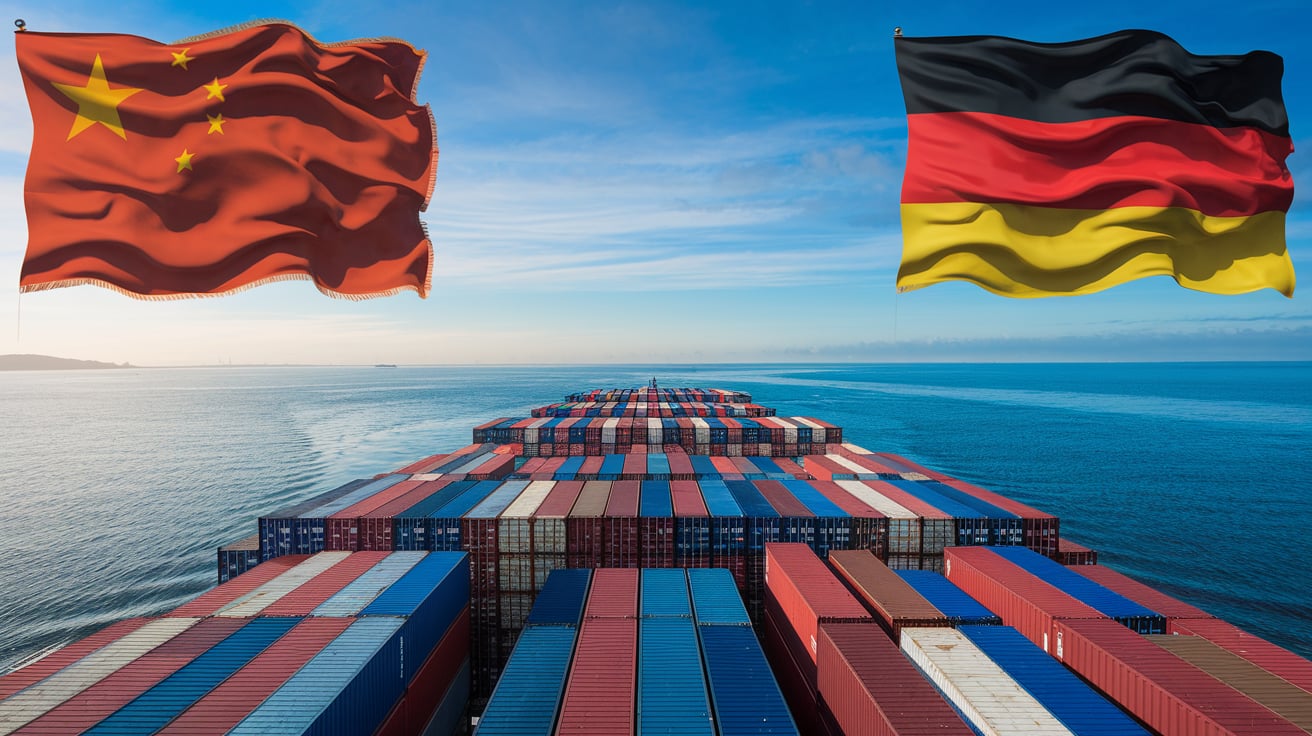
Are you wondering how Container Shipping Costs from China to Germany will impact your business in March 2026?
With shifting global supply chains, evolving regulations, and persistent geopolitical market fluctuations, understanding the true cost landscape is more critical than ever. Based on the daily operations and recent booking data analyzed by our team at Dantful International Logistics, we break down the key factors driving container shipping expenses—from post-Chinese New Year freight rate trends to the escalating Middle East conflicts affecting the Strait of Hormuz and Red Sea routes. Whether you’re a seasoned importer or just starting, this article empowers you to navigate price changes and secure the most efficient, cost-effective logistics solutions for your supply chain in 2026.
Understanding Container Shipping from China to Germany
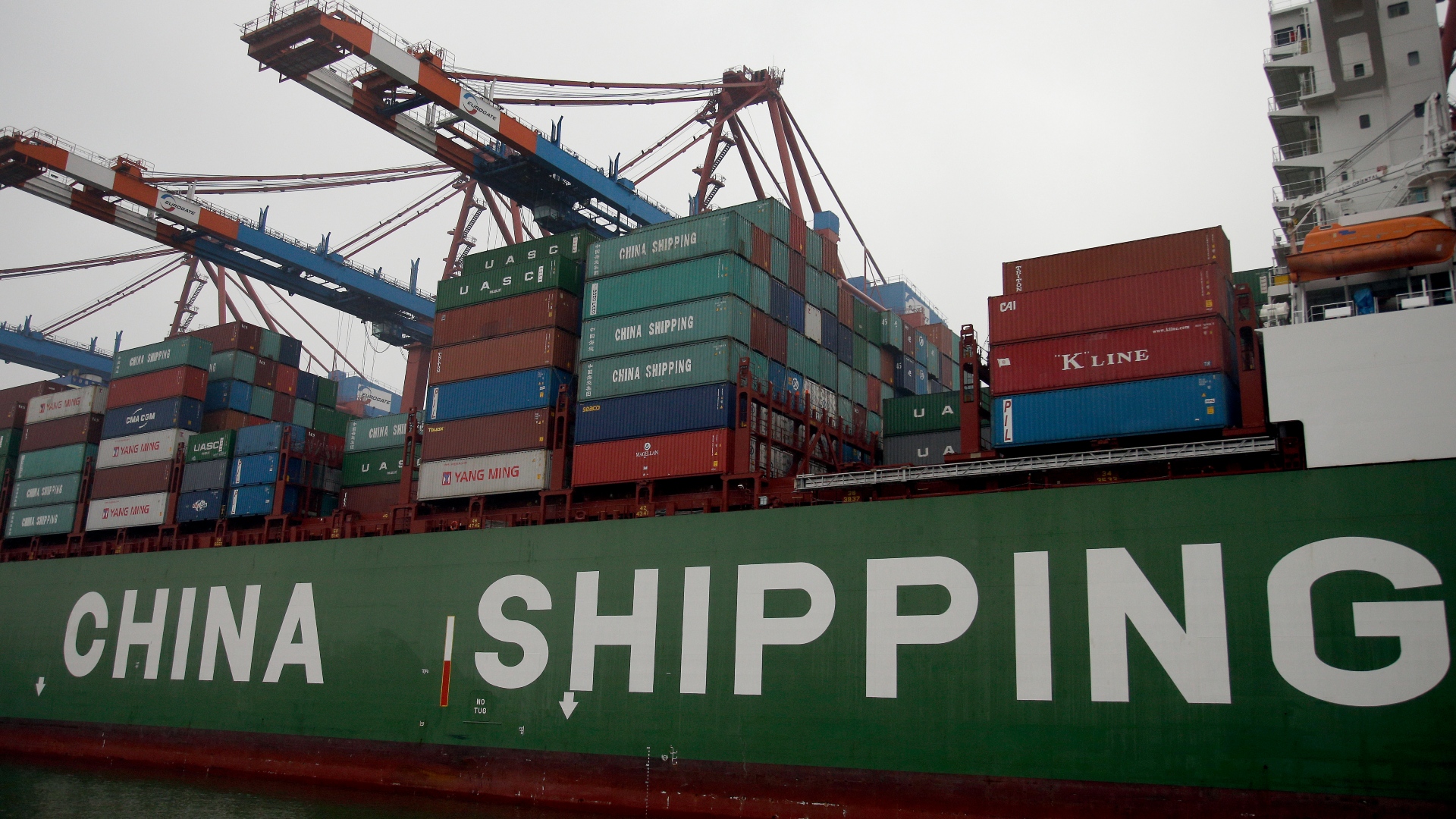
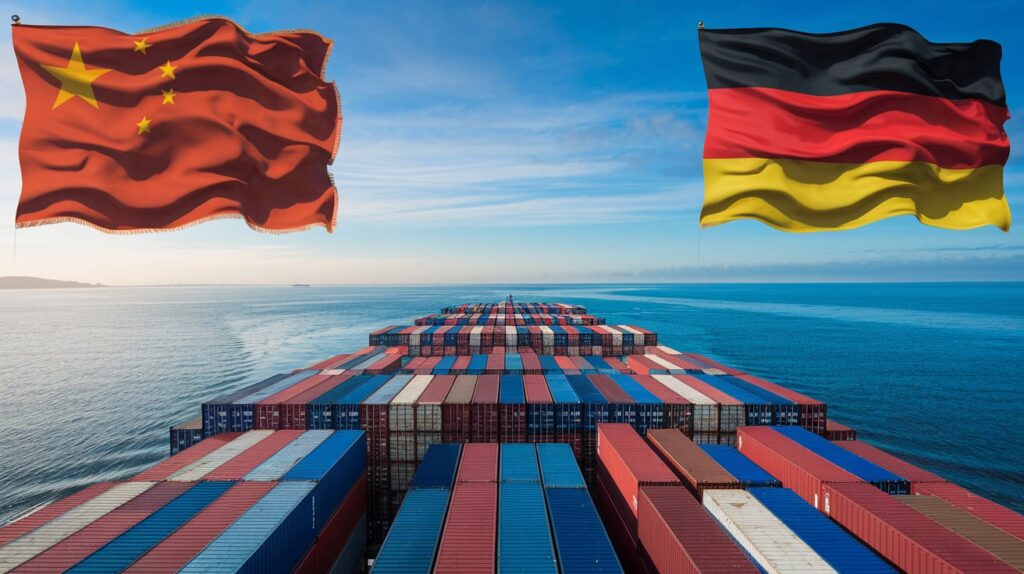
Container shipping is a critical component of global trade, facilitating the movement of goods across vast distances. In our 15+ years of managing shipments on the Asia-Europe route, we’ve seen how utilizing standardized containers loaded onto ships, trucks, or trains ensures efficiency and security throughout the journey.
Key Features of Container Shipping
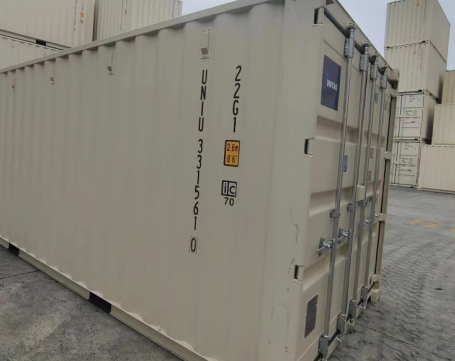
- Standardization: Containers come in standardized sizes, primarily 20 feet (TEU) and 40 feet (FEU) long, making them easy to handle and stack. In our daily operations, this uniformity allows us to plan more efficient loading, unloading, and multimodal transportation processes for our clients.
- Versatility: Container shipping accommodates various types of cargo. Based on our recent shipments to Germany, we frequently handle everything from electronics and auto parts to textiles and machinery. Specialized containers, such as refrigerated units (reefers) and flat racks, enable the transport of sensitive or oversized items.
- Cost-Effectiveness: Shipping by container remains the most economical method for large volumes. Our consolidation experts consistently find that maximizing container space significantly minimizes the cost per unit compared to air freight.
Importance of Container Shipping in Global Trade
Container shipping is not just a mode of transport; it is the backbone of international trade.
- Facilitates Economic Growth: Germany, as Europe’s manufacturing powerhouse, relies heavily on container shipping to meet its demands for raw materials and components from China.
- Global Connectivity: It connects markets across continents. Our logistics network enables German businesses to source materials seamlessly from Chinese suppliers, promoting competition, innovation, and diversification.
- Impact on Supply Chains: Efficient container shipping is vital. As we’ve observed during the recent Middle East war and Strait of Hormuz tensions, regional instability can lead to severe stock shortages. Thus, understanding current shipping costs and realistic timelines is essential for inventory planning.
20 ft Container Shipping Cost from China to Germany
When considering the logistics of shipping a 20 ft container from China to Germany, a comprehensive understanding of the associated costs is crucial. Based on our Dantful pricing desk’s data from March 2026, below is a detailed cost breakdown encompassing the various factors that contribute to the total shipping cost.
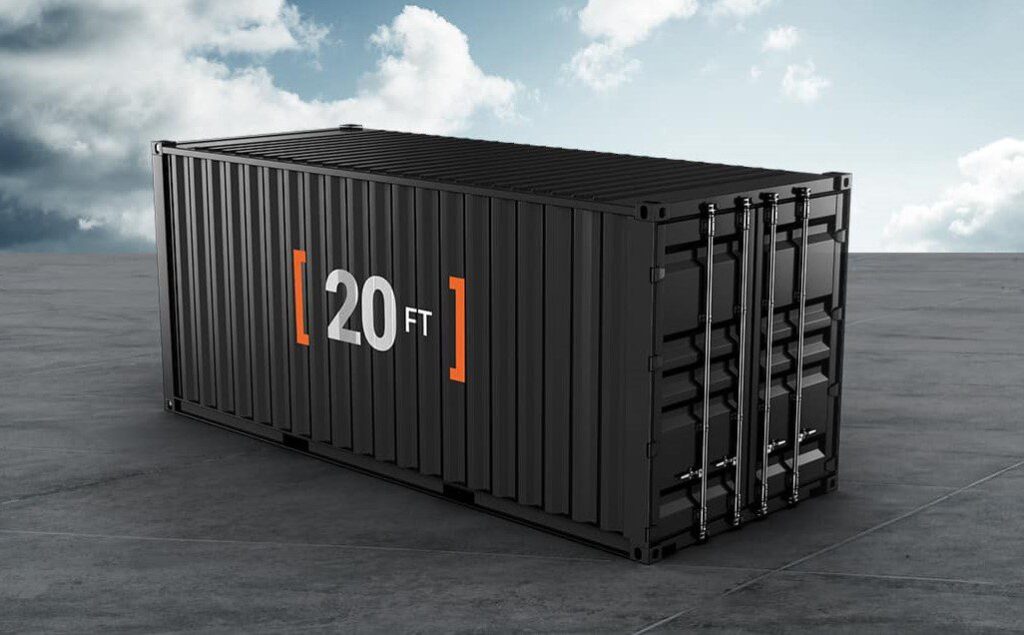
Cost Breakdown for 20 ft Containers
| Cost Component | Description | Estimated Cost (USD) |
|---|---|---|
| Freight Charges | The primary ocean freight cost. Adjusted for March 2026 spot rates. | $1,450 – $1,800 |
| Port Fees | Charges for loading/unloading (THC) at ports like Hamburg or Bremen. | $250 – $450 |
| Customs Duties and Taxes | Fees imposed by German customs, varies strictly by HS code. | Variable |
| Insurance Costs | Optional but highly recommended by our risk management team. | $50 – $150 |
| Inland Transportation Costs | Moving the container from the German port to final inland destination. | $300 – $800 |
| Packing and Handling Fees | Costs for preparing goods, including palletizing and loading labor. | $100 – $250 |
| Documentation Fees | Fees for Bill of Lading, export customs clearance, and ENS. | $50 – $100 |
Total Estimated Cost
Considering the various components outlined from our recent operational data, the total estimated cost for shipping a 20 ft container from China to Germany as of March 2026 generally ranges from $2,200 to $3,550 (excluding duties/taxes). However, it is essential to note that these are spot market estimates and fluctuate based on carrier GRI (General Rate Increases) and war risk surcharges.
Additional Considerations
When planning a shipment, our logistics specialists advise monitoring several factors:
- Transit Time: Due to the expanded conflict zone covering the Red Sea and Strait of Hormuz, vessels are strictly routing around the Cape of Good Hope, pushing average transit times to 35-45 days.
- Shipping Line: Different alliances (like the Ocean Alliance or Gemini Cooperation) offer varying rates and reliability. We constantly compare these to find the best fit.
- Container Availability: While overall capacity has increased in 2026, equipment shortages can still occur at specific inland Chinese depots.
By engaging with a professional logistics provider like Dantful International Logistics, businesses can navigate these complexities. Dantful offers highly professional, cost-effective, and high-quality international logistics services, ensuring a seamless shipping experience.
You may be interested in the following related articles:
- The Ultimate Guide to Container Shipping Costs from China to San Pedro in 2024
- Container Shipping Costs from China to Malaysia: What You Need to Know
- The Ultimate Guide to Container Shipping Costs from China to Hawaii in 2024
- Container Shipping Costs from China to France: What You Need to Know
- Container Shipping Costs from China to Saudi Arabia: What You Need to Know
- Container Shipping Costs from China to Australia: What You Need to Know
40 ft Container Shipping Cost from China to Germany
Shipping a 40 ft container (FEU) from China to Germany is the most popular choice among our B2B clients transporting larger shipments. This size offers double the capacity of a 20ft but rarely costs double the price, maximizing shipping efficiency.
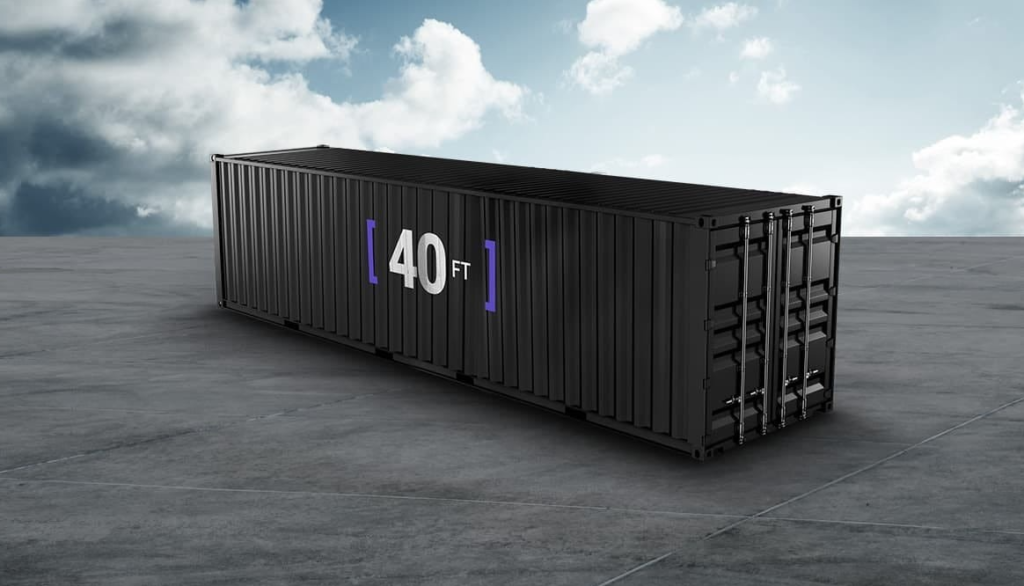
Cost Breakdown for 40 ft Containers
| Cost Component | Description | Estimated Cost (USD) |
|---|---|---|
| Freight Charges | Main ocean freight expense based on March 2026 market rates. | $2,500 – $3,300 |
| Port Fees | Terminal handling and port infrastructure fees at destination. | $350 – $650 |
| Customs Duties and Taxes | Government-imposed import duties and 19% German VAT. | Variable |
| Insurance Costs | Comprehensive All-Risk coverage based on cargo value. | $75 – $250 |
| Inland Transportation Costs | Trucking or rail transport from Hamburg/Rotterdam to inland Germany. | $400 – $1,100 |
| Packing and Handling Fees | Securing and loading larger volumes of goods safely. | $150 – $400 |
| Documentation Fees | Essential customs and carrier paperwork processing. | $75 – $150 |
Total Estimated Cost
According to our latest bookings, the total estimated cost for shipping a 40 ft container from China to Germany typically ranges from $3,550 to $5,850 in March 2026. Variability in costs often arises from inland delivery distances and specific carrier routing choices.
Read More:
- Shipping From China To Netherlands
- Shipping From China To Spain
- Shipping From China To Germany
- Shipping From China To France
- Shipping From China to Italy
- Shipping From China To Poland
- Shipping From China to United Kingdom
Factors Influencing Container Shipping Costs
Understanding the underlying factors of shipping costs helps businesses optimize logistics strategies. Our market analysis highlights the following key drivers in 2026:
Type of Container: FCL vs. LCL
- FCL (Full Container Load): Our March 2026 data shows that 40ft FCL remains the most cost-effective option for volume shippers. With a large influx of new mega-vessels entering the market this year, carriers are offering competitive FCL rates to fill capacity.
- LCL (Less than Container Load): Suits partial shipments but incurs extra consolidation and deconsolidation fees. While ocean freight is cheaper, the handling costs at German CFS (Container Freight Stations) make it crucial to calculate the exact break-even point between LCL and FCL.
Distance and Shipping Routes
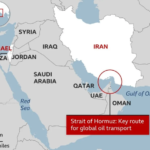
The geographic route is core to costs. In Q1 2026, the geopolitical landscape has worsened significantly. The conflict has expanded beyond the Red Sea to include the critical Strait of Hormuz, creating a dual crisis for global shipping.
- Route Diversions: Almost all major carriers continue to bypass the Suez Canal, routing vessels around the Cape of Good Hope. Our tracking systems show this adds approximately 10-14 days to the transit time to German ports.
- Strait of Hormuz Impact: While this strait primarily affects oil transit, the regional instability has spiked “War Risk” insurance premiums across the entire Middle East logistics network, indirectly increasing costs for all Asia-Europe trade.
Seasonal Variations
Costs fluctuate heavily with demand. Currently, in March 2026, we are in the traditional post-Chinese New Year “soft season.” Our pricing team has observed a 10-15% drop in spot rates compared to the January peak. Smart importers are using this window to replenish inventory before the summer peak season begins.
Fuel Prices
Fuel volatility is at an all-time high due to the Strait of Hormuz crisis, a key chokepoint for global oil transit. In 2026, this has driven bunker prices up, which carriers pass on as BAF (Bunker Adjustment Factor). Additionally, the EU’s Emissions Trading System (ETS) is in full effect. We see explicit “Green Surcharges” added to every container bound for Germany as carriers offset the costs of carbon allowances.
By leveraging the expertise of a reliable freight forwarder like Dantful International Logistics, businesses receive tailored solutions that account for these complex factors.
Additional Costs to Consider in Container Shipping
When we consult with new clients, we emphasize that the ocean freight is only one part of the equation. Understanding the complete landed cost prevents unexpected budget overruns.
Customs Duties and Taxes
Customs duties and taxes represent a significant portion of the total cost when importing goods into Germany. Based on our customs brokerage experience, these vary by:
- Tariff Classifications: Every product requires an exact HS (Harmonized System) code, which dictates the duty rate. Our customs experts always verify these codes prior to shipping.
- Value of Goods: Duties are calculated on the CIF (Cost, Insurance, and Freight) value.
- Additional Taxes: Germany applies a standard 19% Value Added Tax (VAT) on imports, calculated on the CIF value plus the duty amount.
Handling and Port Fees
Handling and port fees are unavoidable and are incurred during loading and unloading. We audit these fees daily:
- Terminal Handling Charges (THC): Charged by the port authorities in Germany (e.g., HHLA in Hamburg) for physically moving the container.
- Storage and Demurrage/Detention: If a container isn’t picked up or returned within the carrier’s “free time” (usually 3-7 days), steep daily penalties apply. Our operations team actively manages delivery schedules to avoid these entirely.
- Documentation Fees: Mandatory fees for processing the D/O (Delivery Order) and customs entries.
Insurance Costs for Container Shipping
In our experience, shipping without insurance is a critical risk. The Cape of Good Hope routing and the volatile Middle East situation expose cargo to longer transit times and higher risks.
- Risk of Loss or Damage: General Average declarations, rough weather, or regional conflicts can result in severe financial loss.
- Cost of Insurance: Premiums are extremely affordable—typically just a fraction of a percent of the cargo’s commercial value.
- Types of Insurance: We always recommend “All-Risk” marine cargo insurance to our clients to ensure comprehensive protection from origin to final destination.
Tips for Reducing Container Shipping Costs
Reducing costs without sacrificing reliability is the primary goal for our clients. Here are the strategies our team actively implements in 2026:
Choosing the Right Freight Forwarder
Selecting the right freight forwarder is the most critical step. A reputable partner like Dantful International Logistics acts as your outsourced logistics department:
- Reputation and Experience: With years of specialized experience in the China-Europe trade lane, we anticipate bottlenecks before they happen.
- Service Offerings: We provide end-to-end solutions, including our own customs clearance teams and inland trucking networks, removing middleman markups.
- Transparent Pricing: We provide itemized quotes. You will always know exactly what you are paying for, with no hidden destination charges.
Effective Planning and Scheduling
Strategic timing yields massive savings:
- Advance Booking: In 2026’s dynamic market, providing us with a 2-3 week forecasting window allows us to secure space on the most cost-effective vessels.
- Flexible Scheduling: Taking advantage of the March/April soft season can save hundreds of dollars per container compared to shipping in late Q3.
- Route Optimization: We frequently analyze whether routing via Rotterdam and trucking into Western Germany is cheaper than shipping directly into Hamburg, depending on the final postal code.
Utilizing Freight Calculators
While online calculators give a rough idea, the 2026 market is too volatile for static algorithms.
- Compare Costs: Use tools to understand the baseline difference between Air and Sea.
- Budget Effectively: Always factor in destination charges, not just the port-to-port rate.
- Make Informed Decisions: Instead of relying solely on automated calculators, we recommend getting a customized spot quote from our team for the most accurate, real-time pricing.
Consolidating Shipments for Cost Efficiency
If you don’t have enough cargo for a full 40ft container, we help optimize your load:
- Group Shipments: We can coordinate with multiple of your suppliers in China to consolidate their goods into one single FCL shipment at our warehouses.
- Utilize LCL Services: For shipments between 2 and 15 CBM, our LCL consolidation services ensure you only pay for the space you use, providing a highly economical alternative to air freight.
By applying these strategies, businesses can effectively manage costs. Engaging with a professional logistics provider like Dantful ensures a cost-effective solution tailored to your specific supply chain needs.
FAQs
How much does it cost to ship a container from China to Germany?
Based on March 2026 market conditions, shipping a container from China to Germany via sea freight generally costs between $1,450 – $1,800 for a 20-foot container, while a 40-foot container costs between $2,500 – $3,300. These are ocean freight estimates and do not include inland delivery or duties.
How much does a 20ft shipping container cost to ship?
The base ocean freight cost of shipping a 20-ft container from China to Germany is currently around $1,450 to $1,800. When factoring in origin and destination port fees, the total logistics cost ranges from $2,200 to $3,550.
How much does a 40ft shipping container cost to ship?
Shipping a 40-ft container from China to Germany currently costs between $2,500 and $3,300 for the ocean freight. Total door-to-door costs fluctuate based on the final inland destination in Germany.
How long does a container ship take from China to Germany?
Due to the current rerouting of vessels around the Cape of Good Hope to avoid the Red Sea and Strait of Hormuz conflict zones, a container ship from China to Germany typically takes 35 to 45 days port-to-port.
What is the import duty from China to Germany?
Import duty from China to Germany varies strictly according to the HS (Harmonized System) code of the goods. Additionally, a standard 19% Value Added Tax (VAT) is applied to almost all commercial imports. We highly recommend consulting our customs team with your specific product details for an exact calculation.
Dantful International Logistics Services:
- Dantful Ocean Freight Services
- Air Freight From China
- Amazon FBA Freight Forwarding
- WAREHOUSE Services
- One-Stop Customs Clearance Solution
- Cargo Insurance Services in China
- DDP Shipping Services By Dantful Logistics
- Out of Gauge Cargo Transportation Shipping Services

Young Chiu is a seasoned logistics expert with over 15 years of experience in international freight forwarding and supply chain management. As CEO of Dantful International Logistics, Young is dedicated to providing valuable insights and practical advice to businesses navigating the complexities of global shipping.