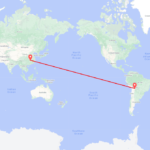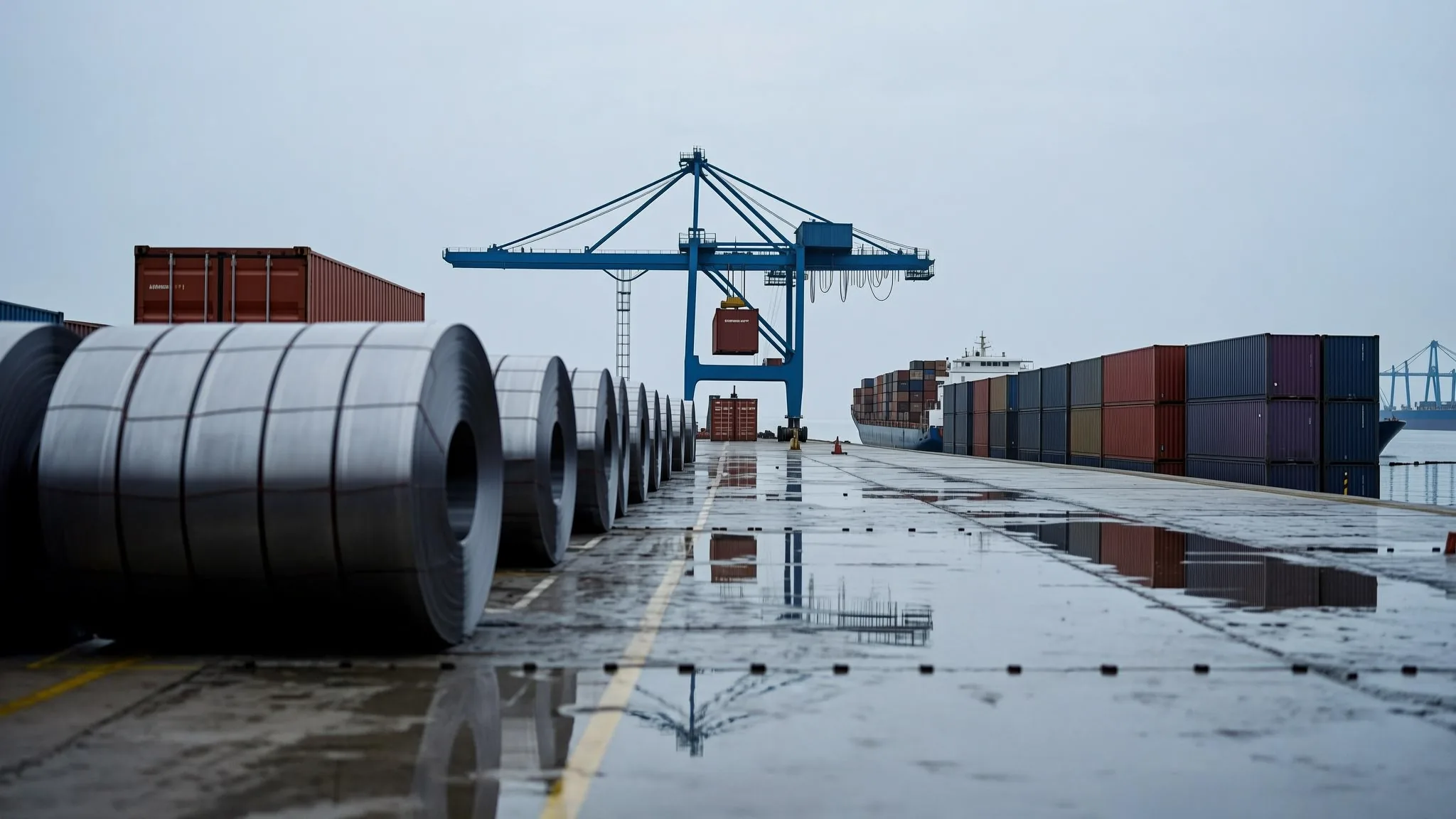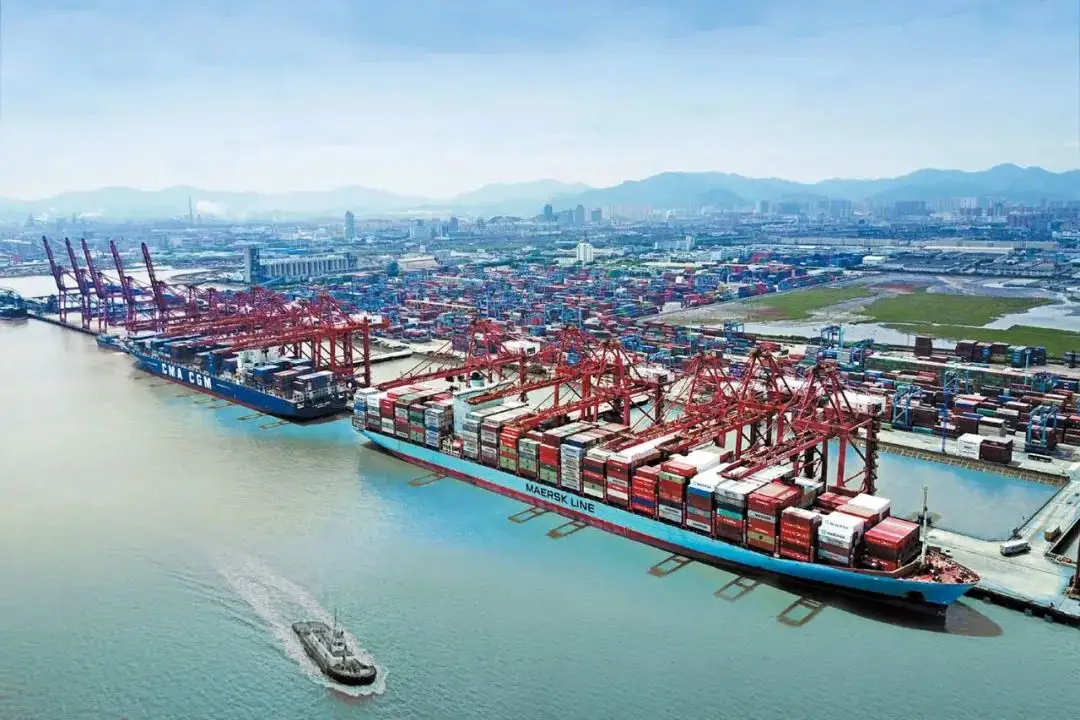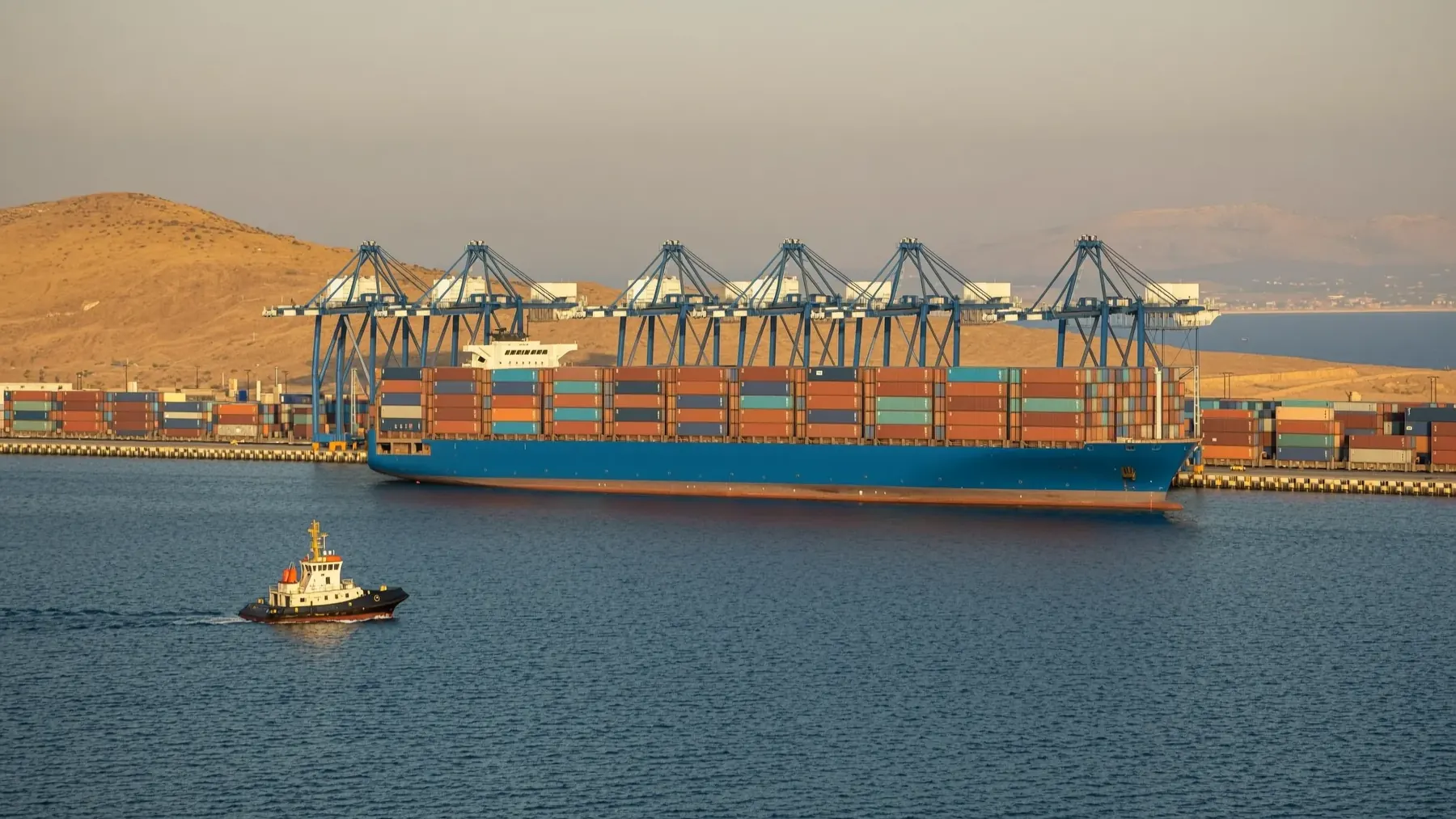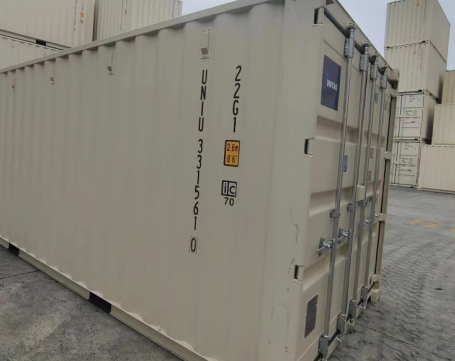
You have just finalized a custom furniture order with a factory in Foshan. Production is underway — and then you glance at a map. Bolivia has zero coastline. Your 28 CBM of made-to-order restaurant seating must now cross an ocean, transit through a foreign country, clear customs at a land border 4,000 meters up in the Andes, and roll into your warehouse in Santa Cruz. That is the reality of shipping from China to Bolivia from customized factories — a logistics chain far more complex than standard container shipping.
This guide is built for importers sourcing customized products from Chinese manufacturers — OEM electronics, made-to-order furniture, bespoke machinery, custom textiles — who need to move goods from factory floor to Bolivian doorstep. We cover every link: door-to-door routes, real sea and air freight costs, ANB and SENAVEX customs clearance step by step, DDP versus DDU for Bolivia’s unique geography, import duty calculations with worked examples, multi-factory consolidation strategies, and a full production-to-delivery timeline. Drawing on 15-plus years of hands-on experience on the China–South America corridor, this is the guide we wish existed when we started.
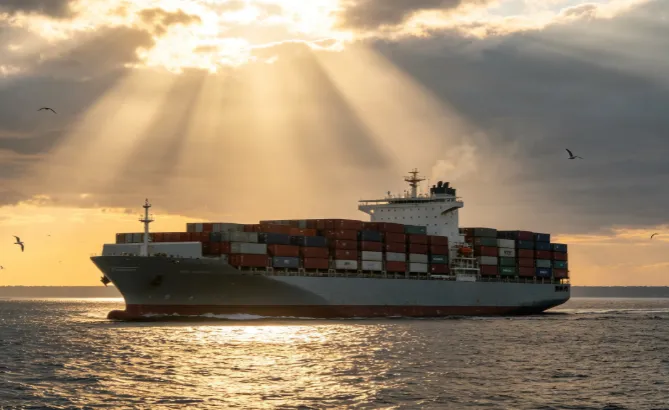
Door to Door Shipping from China to Bolivia: How It Works for Customized Factory Orders
Bolivia is one of only two landlocked countries in South America (the other is Paraguay) — a fact that reshapes every shipping decision. Bolivia-bound cargo must pass through three distinct layers that coastal destinations never face. First, transshipment: cargo travels by ocean from a Chinese port to a gateway port in Chile, Peru, or Brazil — Bolivia has no seaport. Second, in-bond transit: goods move under customs seal from the arrival port to a Bolivian border crossing without paying import duties in the transit country. Third, last-mile delivery: after Bolivian customs clears the shipment, trucks navigate high-altitude mountain roads (La Paz: 3,640 m) or unpaved rural routes to the final address.
For customized products, these layers matter even more. A non-standard machine part that does not fit a regular pallet, custom-printed textiles sensitive to altitude moisture, or $50,000 of OEM electronics in a shared LCL container — each scenario demands a logistics plan built around the product, not retrofitted to a generic template. Door to door shipping from China to Bolivia is the service model that manages all three layers under one responsibility chain.
Your destination city determines the right entry route. La Paz (3,640 m) is best served via Arica, Chile — just 460 km away. Santa Cruz (400 m), Bolivia’s economic hub, is accessible from all three routes. Cochabamba (2,560 m) works with Arica or Matarani. Choosing the wrong route-city pair adds 7 to 15 days and thousands in avoidable inland freight.
Sea Freight from China to Bolivia via Chile (Arica): Routes, Transit Times & Costs
Three viable sea freight corridors connect China to Bolivia. For a complete breakdown of sea freight costs and transit specifics, see our Sea Freight From China to Bolivia guide. Understanding each corridor’s trade-offs — and matching the route to your destination city — is the single most impactful cost-and-time decision you will make.
Route A — via Arica, Chile (Recommended). Cargo departs from Shenzhen, Shanghai, Ningbo, Guangzhou, or Qingdao to the Port of Arica in northern Chile (28–35 days at sea). After discharge and in-bond processing (1 day), sealed trucks carry cargo to the Tambo Quemado border crossing, then onward to La Paz (2–3 days) or Santa Cruz (3–4 days). Total: 30 to 35 days. Arica handles approximately 60% of Bolivia’s seaborne imports.
Route B — via Matarani, Peru (Backup). Ocean transit to Peru’s Port of Matarani (30–35 days), with a shorter land leg to La Paz via Desaguadero (1–2 days). Total: 32 to 38 days. An essential alternative when Chilean ports face congestion or strikes.
Route C — via Santos, Brazil (Eastern Only). China to the Port of Santos (35–40 days) plus 10 to 12 days overland via Puerto Suárez into eastern Bolivia. Total: 38 to 45 days. Only practical for heavy or bulk cargo destined for Santa Cruz.
| Route | Chinese Ports | Gateway Port | Ocean (days) | Land (days) | Total (days) | Best For |
|---|---|---|---|---|---|---|
| A: Arica ⭐ | Shenzhen, Shanghai, Ningbo, Guangzhou, Qingdao | Arica, Chile | 28–35 | 2–4 | 30–35 | La Paz, Oruro, Cochabamba |
| B: Matarani | Shenzhen, Shanghai, Ningbo | Matarani, Peru | 30–35 | 1–2 | 32–38 | La Paz, Lake Titicaca area |
| C: Santos | Shenzhen, Shanghai | Santos, Brazil | 35–40 | 10–12 | 38–45 | Santa Cruz (bulk/heavy only) |
For sea freight costs, a 20ft container (20GP, ~28 CBM) via Arica typically runs $2,500–$3,500 on the ocean leg, with inland transit and clearance adding $1,500–$2,500. A 40ft container (40GP, ~58 CBM) or 40HQ (~68 CBM) runs $3,800–$5,200 for the ocean portion. LCL rates range from $120–$180 per CBM. ⚠️ Certain border crossings on Routes B and C cannot accommodate 40HQ containers — always verify container size compatibility before booking. Rates spike 30% to 50% during pre-Chinese New Year (January–February) and the pre-Christmas peak (September–November); ship March–May or June–August for the best rates.
Air Freight from China to Bolivia: Fastest Shipping for Time-Sensitive Custom Orders
When speed dictates the decision, air freight from China to Bolivia delivers door-to-door in 5 to 12 days. Cargo departs from Shenzhen (SZX), Shanghai (PVG), or Guangzhou (CAN), connects through Miami, São Paulo, or Lima, and arrives at Viru Viru International Airport (VVI) in Santa Cruz — Bolivia’s primary cargo gateway — or El Alto International Airport (LPB) in La Paz.
Air freight costs are calculated on chargeable weight (actual gross versus volumetric, whichever is higher), typically ranging from $5.00 to $8.50 per kg for consolidated cargo. For a 500 kg consignment of custom electronics, expect approximately $2,500 to $4,250. LPB’s altitude of 4,061 meters limits cargo weight for certain aircraft — your forwarder should pre-verify flight compatibility for any single piece exceeding 500 kg bound for La Paz.
Air freight justifies the premium for: customized product samples for buyer approval before mass production, high-value OEM electronics where inventory costs exceed the freight differential, emergency spare parts for custom machinery already installed in Bolivia, and seasonal goods where 5 to 12 days beats a 34- to 48-day ocean window.
DDP Shipping from China to Bolivia: Customs Clearance, Import Duties & VAT
Of every decision a Bolivia-bound importer faces, none matters more than the choice between DDP (Delivered Duty Paid) and other Incoterms. Bolivia’s landlocked geography, dual customs agencies, and multi-country transit create six operational layers across three jurisdictions (China, Chile/Peru, Bolivia). Under DDP, your forwarder owns all six. Under any other Incoterm, you become the project manager.
The Dual-Agency Customs System
Bolivia’s import clearance involves two agencies that catch unprepared importers more often than any other South American destination. Customs clearance in Bolivia is managed by ANB (Aduana Nacional de Bolivia) — the National Customs Authority — which handles duty assessment, customs supervision, and operates the SUMA electronic declaration platform for all import filings. SENAVEX (Servicio Nacional de Verificación de Exportaciones) requires a pre-inspection certificate for certain product categories, obtained in the country of origin before your goods leave China. Missing a SENAVEX certificate at the border means your cargo is rejected — there is no retroactive fix.
The Six-Step Clearance Process
- Pre-shipment document preparation. Prepare a commercial invoice in Spanish (ANB rejects Chinese- or English-only invoices — the number one preventable cause of delays), a packing list, a Certificate of Origin (FORM A for GSP or FORM F for China-Chile FTA), and the Bill of Lading or Airway Bill.
- SENAVEX pre-inspection. Confirm whether your HS Code triggers a SENAVEX requirement. This certificate must be obtained in China before departure — no retroactive fix exists.
- ANB electronic declaration. Your Bolivian customs broker files the Declaración Única de Importación (DUI) through the SUMA platform. The declared CIF value and HS Code determine duty and tax liability.
- Customs valuation and inspection. ANB applies WTO Valuation Agreement methodology. Cargo is routed through green (automatic release), yellow (document review), or red (physical inspection — add 2–5 days) channels.
- Duty and tax payment. Pay GA (Gravamen Arancelario) — duty at 0% to 40% depending on HS Code — plus IVA (VAT at 13%, calculated on CIF plus GA), plus ICE (specific consumption tax on alcohol, tobacco, vehicles, luxury goods) if applicable.
- Release and final delivery. Arrange inland transport: major cities 1–2 days, remote areas allow an additional 2–5 days.
Required Import Documents
| Document | When Required | Priority |
|---|---|---|
| Commercial invoice (Spanish) | Before cargo leaves China | ⚠️ Critical |
| Packing list (Lista de Empaque) | Before cargo leaves China | ⚠️ Critical |
| Certificate of Origin (FORM A or F) | Before cargo leaves China | ⚠️ Critical |
| Bill of Lading or Airway Bill | Generated at departure | Standard |
| SENAVEX inspection certificate | Before cargo leaves China (if required) | ⚠️ Critical |
| Single Import Declaration (DUI) | Filed upon arrival | Standard |
| Cargo insurance certificate | Before cargo leaves China | Recommended |
| NIT (Bolivian Tax ID) | Before import | Required |
DDP vs DDU vs FOB: Which Incoterm?
| Responsibility | DDP | DDU | CIF | FOB |
|---|---|---|---|---|
| China factory to port | Forwarder | Forwarder | Forwarder | Importer |
| China export customs | Forwarder | Forwarder | Forwarder | Importer |
| Ocean/air freight | Forwarder | Forwarder | Forwarder | Importer |
| Chile/Peru in-bond transit | Forwarder | Forwarder | Importer | Importer |
| Bolivia ANB clearance | Forwarder | Forwarder | Importer | Importer |
| Import duty & VAT payment | Forwarder | Importer | Importer | Importer |
| Last-mile Bolivia delivery | Forwarder | Forwarder | Importer | Importer |
DDP is strongly recommended for virtually all Bolivia importers. Under DDP, your forwarder manages the ocean freight, Chilean or Peruvian in-bond transit, Bolivian DUI filing, duty and VAT advance, SENAVEX clearance, and delivery to your door. DDU is a reasonable compromise if you already hold a Bolivian NIT and a local broker relationship. FOB and EXW are not recommended unless you are a large enterprise with in-house logistics teams in both China and Bolivia.
Import Duty & VAT: Three Worked Examples
| Example | CIF Value | GA Rate | GA Amount | IVA (13% of CIF+GA) | Total Tax | Landed Cost |
|---|---|---|---|---|---|---|
| Custom electronics (HS 8517) | $10,000 | 0% | $0 | $1,300 | $1,300 | $11,300 |
| Custom furniture (HS 9403) | $20,000 | 10% | $2,000 | $2,860 | $4,860 | $24,860 |
| Custom textiles (HS 6110) | $15,000 | 20% | $3,000 | $2,340 | $5,340 | $20,340 |
Bolivia is a full CAN (Andean Community) member and MERCOSUR associate. Goods meeting CAN rules of origin may qualify for reduced duty. Your Certificate of Origin — FORM A (GSP) or FORM F (China-Chile FTA) — can directly reduce your duty bill. Discuss the optimal certificate with your forwarder before cargo leaves China. A genuine DDP quote should itemize every component: domestic trucking, export customs, ocean freight, port THC, in-bond transit, Bolivia brokerage, GA duty, IVA, last-mile delivery, and insurance. A single number with no breakdown is a red flag.
FCL vs LCL Shipping from China to Bolivia: Which Is Cheaper for Your Cargo?
The FCL-versus-LCL decision is about security, speed, and product suitability, not just cost — for a deeper dive, see our guide on LCL vs FCL Shipping: How to Choose the Right Option. The general rule — over 15 CBM, FCL (Full Container Load) is more economical per unit — is a useful starting point, but three dimensions matter: volume, cargo value, and urgency.
FCL books an entire container exclusively for your cargo (20GP ~28 CBM, 40GP ~58 CBM, 40HQ ~68 CBM). The container stays sealed from China loading dock to Bolivia customs warehouse, eliminating LCL’s 3- to 7-day consolidation/deconsolidation windows. For customized furniture, bespoke machinery, and high-value OEM goods, FCL’s security advantage often justifies the premium even under 15 CBM.
LCL (Less than Container Load) is pay-for-what-you-use: cargo shares a container, consolidated at a Chinese CFS and deconsolidated at destination. Ship as little as 1 CBM. The trade-off: 30%–50% higher cost per CBM and longer transit. Ideal for small-batch customized electronics, trial orders, and e-commerce shipments.
| Factor | FCL | LCL | Air Freight |
|---|---|---|---|
| Minimum volume | ~15 CBM (practical) | 1 CBM | No minimum |
| Cost efficiency | Best above 15 CBM | Best under 15 CBM | High value/low weight |
| Transit time (door-to-door) | 34–48 days | 41–55 days | 5–12 days |
| Cargo security | Sealed container, no intermediate handling | Multiple handling events | Direct routing |
| Custom product fit | Irregular shapes, fragile, high-value | Standard cartons, palletized | Light, compact, urgent |
For customized products specifically: fragile or high-value goods should use FCL even below 15 CBM to avoid the repeated loading and unloading inherent in LCL. Oversized custom machinery may require a Flat Rack or Open Top container — discuss these specialized equipment types with your forwarder at the quoting stage, not the booking stage. The cheapest shipping method is the one that delivers your goods intact, on time, and without surprise charges. That is rarely the lowest per-kilo rate.
READ MORE:
- Shipping From China to the USA
- Shipping From China TO Canada
- Shipping From China TO Mexico
- Shipping From China to Panama
- Shipping From China to Costa Rica
- Shipping From China to Brazil
- Shipping From China TO Colombia
- Shipping From China to Jamaica
- Shipping From China to Venezuela
- Shipping From China to Argentina
Factory Pickup, Manufacturer Direct Shipping & Consolidation from China to Bolivia
The upstream logistics — what happens at the factory before the container is even booked — is where customized orders diverge most sharply from commodity cargo, and it is also where competitors’ content completely stops. Here is what actually matters.
Factory pickup coverage. A qualified Bolivia forwarder should pick up from every major Chinese manufacturing city: Shenzhen (electronics), Guangzhou (textiles, lighting), Foshan (ceramics, furniture), Dongguan (toys, footwear, electronics components), Yiwu (small commodities), Shanghai, Ningbo, Qingdao, and Tianjin. Domestic trucking from the factory to the departure port adds 1 to 3 days.
Pre-shipment quality inspection. For customized orders — products that do not exist as catalog items and cannot be easily replaced — third-party inspection before container sealing is non-negotiable. During Production Inspection (DPI) , conducted when 20% to 30% of units are complete, catches defects early when corrections are cheap. Pre-Shipment Inspection (PSI) , conducted when 80% to 100% of production is packed, verifies quantity, workmanship, function, and labeling against the purchase order. A $300 to $500 PSI that catches incorrect fabric on 40 custom chairs before they are sealed in a container pays for itself instantly.
Container loading supervision. A forwarder representative at the factory photographs each pallet’s condition, verifies the container number, checks that bracing and blocking are adequate for a 28-day ocean voyage plus an Andean mountain crossing, and confirms the seal number. For customized machinery, this includes verifying tie-down points, rust-proofing, and vibration dampening.
Packaging for Bolivia’s conditions. La Paz’s 3,640 m altitude means lower atmospheric pressure — sealed packaging can bulge or rupture. Use vented caps for liquids and reinforced seals for vacuum-packed goods. Every carton must be palletized; the truck-to-truck transfer at the Chile/Bolivia border is where loose cargo gets damaged. Moisture-barrier wrapping and desiccant packs are essential for the December-through-March rainy season.
Multi-factory consolidation. This strategy, rarely covered elsewhere, saves 20% to 40% on total logistics costs. If your custom furniture order involves wood frames from Dongguan, metal fittings from Foshan, and fabric from Guangzhou, shipping three separate LCL consignments means three minimum charges and three clearance events. Instead, all factories deliver to one consolidation warehouse in Shenzhen or Guangzhou — a strategy known as consolidated freight shipping — where goods are inspected, re-palletized, and loaded into one FCL container. One ocean freight bill, one clearance, one delivery. Adds 3 to 5 days but cuts logistics spend by a quarter to a third.
From sample to bulk: a phased approach. Phase 1 — customized sample shipped by express courier for buyer approval (3–7 days, $50–$200). Phase 2 — small trial order (2–8 CBM) via LCL sea freight to test market response and logistics. Phase 3 — full production run (15+ CBM) via FCL once product and supply chain are proven. Each phase validates the logistics before committing the next level of capital.
Shipping Time from China to Bolivia: Full Timeline & How to Avoid Delays
A door to door shipping timeline from a Chinese customized factory to Bolivia breaks down as follows for the recommended Route A (via Arica):
| Stage | Duration | Party |
|---|---|---|
| Custom production (varies by product) | 15–60 days | Factory |
| Pre-shipment QC + factory to port | 2–4 days | Forwarder |
| Multi-factory consolidation (if applicable) | 3–5 days | Forwarder + Warehouse |
| China export customs + port waiting | 2–4 days | Forwarder |
| Ocean transit (China → Arica, Chile) | 28–35 days | Shipping line |
| Arica discharge + in-bond transit docs | 1–2 days | Forwarder |
| Land transport (Arica → Bolivia border) | 1–2 days | Forwarder |
| Bolivia customs clearance (ANB) | 1–3 days | Customs broker |
| Last-mile delivery to door | 1–2 days | Forwarder |
| Total logistics (excluding production) | 34–55 days | — |
Five delay factors disproportionately affect Bolivia shipments, each with a countermeasure:
(1) Port strikes at Arica — maintain Route B via Matarani as contingency.
(2) Andean rainy season (December–March) triggers landslides and road closures — build a 5- to 7-day buffer.
(3) Bolivian public holidays — Carnaval de Oruro, Semana Santa, Fiestas Patrias (August 6) shut customs — check the calendar at quoting.
(4) SENAVEX red-channel spikes add 2–5 days — pre-audit documents.
(5) Incomplete documentation, the number one avoidable cause — run a checklist review before cargo leaves China.
For cargo insurance, Bolivia shipments involve more risk segments than almost any other South American destination: ocean transit, port handling at Arica or Matarani, cross-border trucking on remote Andean highways, and Bolivian customs inspection.
How to Choose a Reliable Freight Forwarder for Shipping from China to Bolivia
A Bolivia door-to-door shipment involves six distinct operational layers. Most forwarders handle the first two — China export and ocean freight. The four Bolivia-specific layers — Chile/Peru in-bond transit, ANB clearance through SUMA, SENAVEX pre-inspection verification, and high-altitude last-mile delivery — are where weak links break. For a comprehensive framework, read our guide on how to choose the right freight forwarder. When evaluating a freight forwarder for China-to-Bolivia shipments, verify these ten points:
- FIATA or IATA certification — dual certification is held by fewer than 5% of forwarders on the China–South America corridor.
- Proven China–Chile–Bolivia corridor experience — ask for a Bolivia-specific case study with real transit times.
- Direct ANB SUMA system access via an in-country Bolivian brokerage partner.
- SENAVEX pre-inspection verification before cargo leaves China — a forwarder who says “we’ll handle it at the port” does not understand Bolivia.
- Full DDP capability — a forwarder who only quotes ocean freight and tells you to “find a local broker” is not a Bolivia solution.
- Local presence in La Paz, Santa Cruz, or Cochabamba — in-country partners who physically receive cargo at the border.
- Direct carrier contracts — not spot-market bookings that evaporate during peak season.
- Itemized DDP pricing — every cost component listed, from China pick-up to Bolivia last-mile.
- End-to-end shipment tracking — factory loading dock to Bolivian warehouse.
- A single dedicated account manager — not a rotating call-center queue.
Be alert to these red flags: “Any port works fine for Bolivia” (no — Arica is the correct answer); “You don’t need Spanish invoices” (ANB explicitly requires them); “SENAVEX can be done after arrival” (it cannot); and quotes far below market benchmarks.
At Dantful International Logistics, we bring all ten capabilities to every Bolivia shipment. We hold Class-A freight forwarding certification from China’s Ministry of Commerce, NVOCC accreditation, and FMC and Jctrans memberships. Our team of 50 operations specialists and 50-plus customer service professionals manages the full DDP chain — factory pickup from any major Chinese manufacturing city, export customs, ocean or air freight via the optimal route, Chile/Peru in-bond transit, ANB clearance with in-country brokerage, SENAVEX verification before cargo leaves China, duty and VAT advance, and last-mile delivery anywhere in Bolivia. One dedicated account manager. One transparent quote. One responsibility chain across three countries.
FAQs
How long does door to door shipping from China to Bolivia take?
Sea freight via Route A (China → Arica → Bolivia) takes 34–48 days door-to-door (ocean 28–35 days, inland/customs 6–13 days). Air freight: 5–12 days.
How much does shipping from China to Bolivia cost?
FCL: 20ft approximately $4,000–$6,000 door-to-door DDP. LCL: $120–$180 per CBM (ocean segment). Air: $5.00–$8.50 per kg. Accurate quotes require your specific cargo details.
What is the cheapest way to ship from China to Bolivia?
LCL sea freight via Arica for shipments under 15 CBM; FCL above 15 CBM offers lower per-unit cost. Ship off-peak (March–May or June–August) for best rates.
DDP or DDU — which Incoterm is best for Bolivia? DDP is strongly recommended. Bolivia’s landlocked geography, dual customs agencies, and multi-country transit make DDP the only Incoterm where one forwarder owns the entire chain. DDU works only if you already hold a Bolivian NIT and local broker relationship.
What documents do I need to import from China to Bolivia?
Eight essentials: (1) Spanish commercial invoice, (2) packing list, (3) Certificate of Origin (FORM A or F), (4) Bill of Lading or Airway Bill, (5) SENAVEX certificate if required, (6) Single Import Declaration (DUI), (7) cargo insurance certificate, (8) Bolivian NIT.
How much import duty and tax will I pay in Bolivia?
GA (customs duty) ranges 0%–40% depending on HS Code, plus IVA at 13% on CIF+GA, plus ICE on alcohol/tobacco/vehicles. Electronics and industrial machinery often enter at 0% GA (only 13% IVA). Textiles face higher GA (15%–30%).
How do I ship customized products (machinery, furniture, electronics) from China to Bolivia?
Focus on four factors: packaging (palletized, moisture-protected, altitude-compensated), pre-shipment inspection (PSI for non-standard items), correct HS Code classification (custom products can span multiple codes), and — for machinery — flat-rack or open-top containers if dimensions exceed standard door openings.
Why is shipping to Bolivia more expensive than to Chile or Peru?
Bolivia is landlocked — every shipment transits through a foreign port, adding cross-border land transport, in-bond transit fees, and extra handling. Adds 3–7 days and incremental cost versus coastal delivery.
What is the minimum shipment size from China to Bolivia?
LCL sea freight from 1 CBM. Air freight — no practical minimum. Express courier — from 0.5 kg. For new importers, LCL at 2–5 CBM is a common starting volume.

Young Chiu is a seasoned logistics expert with over 15 years of experience in international freight forwarding and supply chain management. As CEO of Dantful International Logistics, Young is dedicated to providing valuable insights and practical advice to businesses navigating the complexities of global shipping.