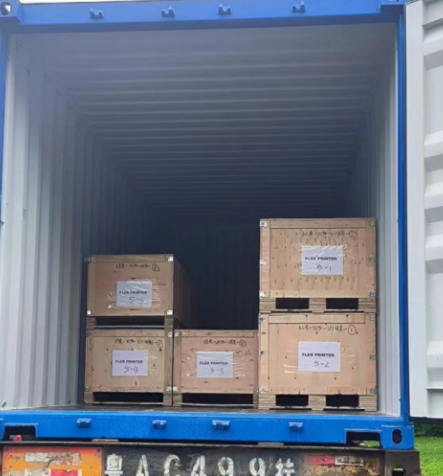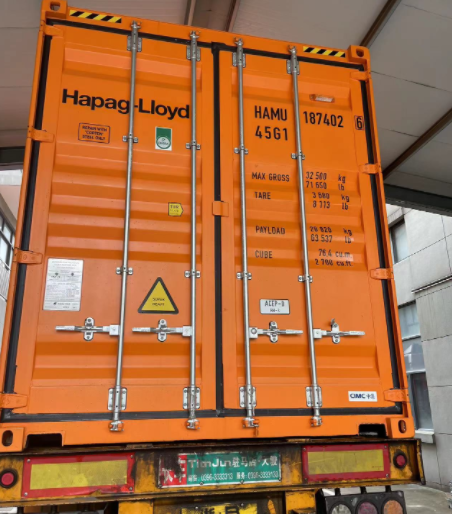
If you’ve ever searched for a Railway Service From China to Bolivia Customized and ended up confused by vague marketing claims or templated freight pages that don’t actually explain how rail shipping to a landlocked South American country works, you’re not alone. Bolivia sits over 5,000 kilometers from the nearest Chinese railhead, separated by the vast Pacific Ocean — yet dozens of freight forwarders advertise “China to Bolivia railway service” as if a train simply rolls from Shanghai to La Paz. The reality is both more complex and more practical than most websites let on.
In this guide, I’ll give you the honest, ground-level explanation of how railway-inclusive multimodal Shipping From China to Bolivia actually functions — which routes exist today, what they cost, how long they take, and what “customized” really means when a freight forwarder uses that word. Drawing on over 15 years of hands-on freight forwarding experience from our Shenzhen headquarters, this is the article I wish every Bolivia-bound importer could read before making a shipping decision.

Is There a Railway from China to Bolivia? Multimodal Transport China to Bolivia Rail + Sea Explained
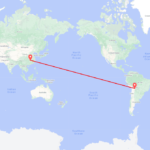
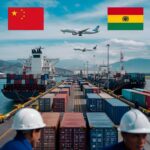
Let’s answer the question directly: there is no direct railway line from China to Bolivia. Not today, and not in the foreseeable future — no transcontinental rail bridge spans the Pacific, and no rail network in South America connects to Asia. Any freight forwarder advertising “railway service from China to Bolivia” is selling a multimodal sea-rail combination: ocean freight from a Chinese port to a Chilean transit hub, followed by rail transport from that coastal port into Bolivia’s interior.
This distinction matters because it shapes every logistics decision you’ll make. The “railway service” is real — it’s just not what the name implies.
Bolivia’s Railway Infrastructure: What You’re Actually Working With
Bolivia inherited two separate rail networks from the early 20th century, and they remain disconnected to this day:
- Ferrocarril Andino (FCA) operates the western network on 1,000mm meter-gauge track, connecting La Paz and Oruro with the Chilean ports of Arica and Antofagasta. FCA handles both bulk minerals and general containerized freight, and for most China-origin shipments, this is the network your cargo will ride.
- Ferrocarril Oriental (FO) runs the eastern network, linking Santa Cruz de la Sierra with Brazil (via Puerto Quijarro/Corumbá) and Argentina. If your cargo is destined for eastern Bolivia, this is your rail option — but it requires a much longer ocean voyage around the continent to the Atlantic side.
- The Tacna–Arica–La Paz Railway and the FCAB (Ferrocarril de Antofagasta a Bolivia) provide additional corridor options, primarily for bulk commodities like steel, fertilizers, and minerals.
The two networks have never been connected internally — a long-standing infrastructure gap that forces shippers to choose their entry corridor carefully based on final destination.
How Multimodal Sea-Rail Actually Works
The journey has four distinct segments:
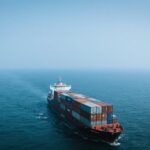
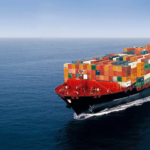
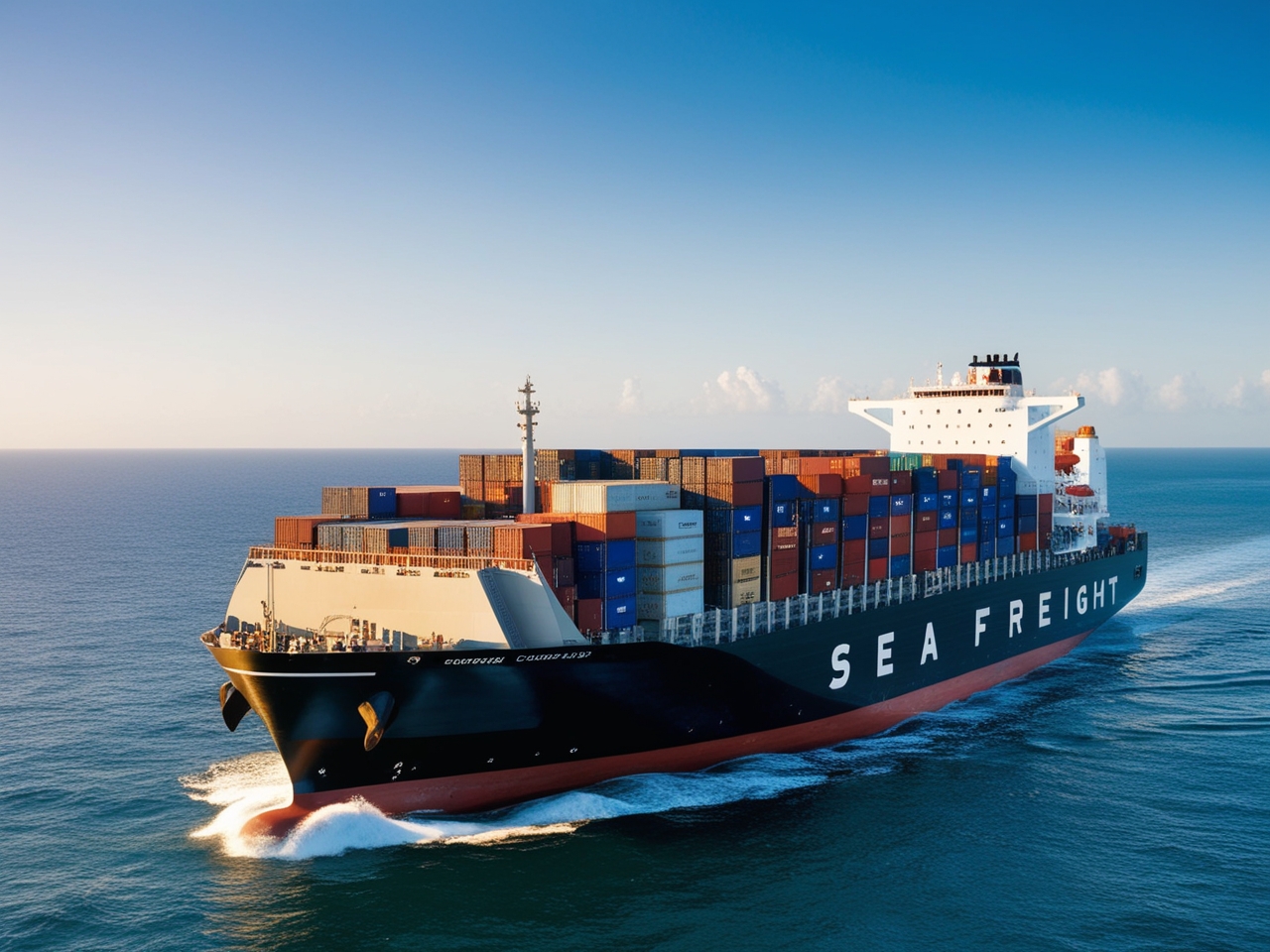
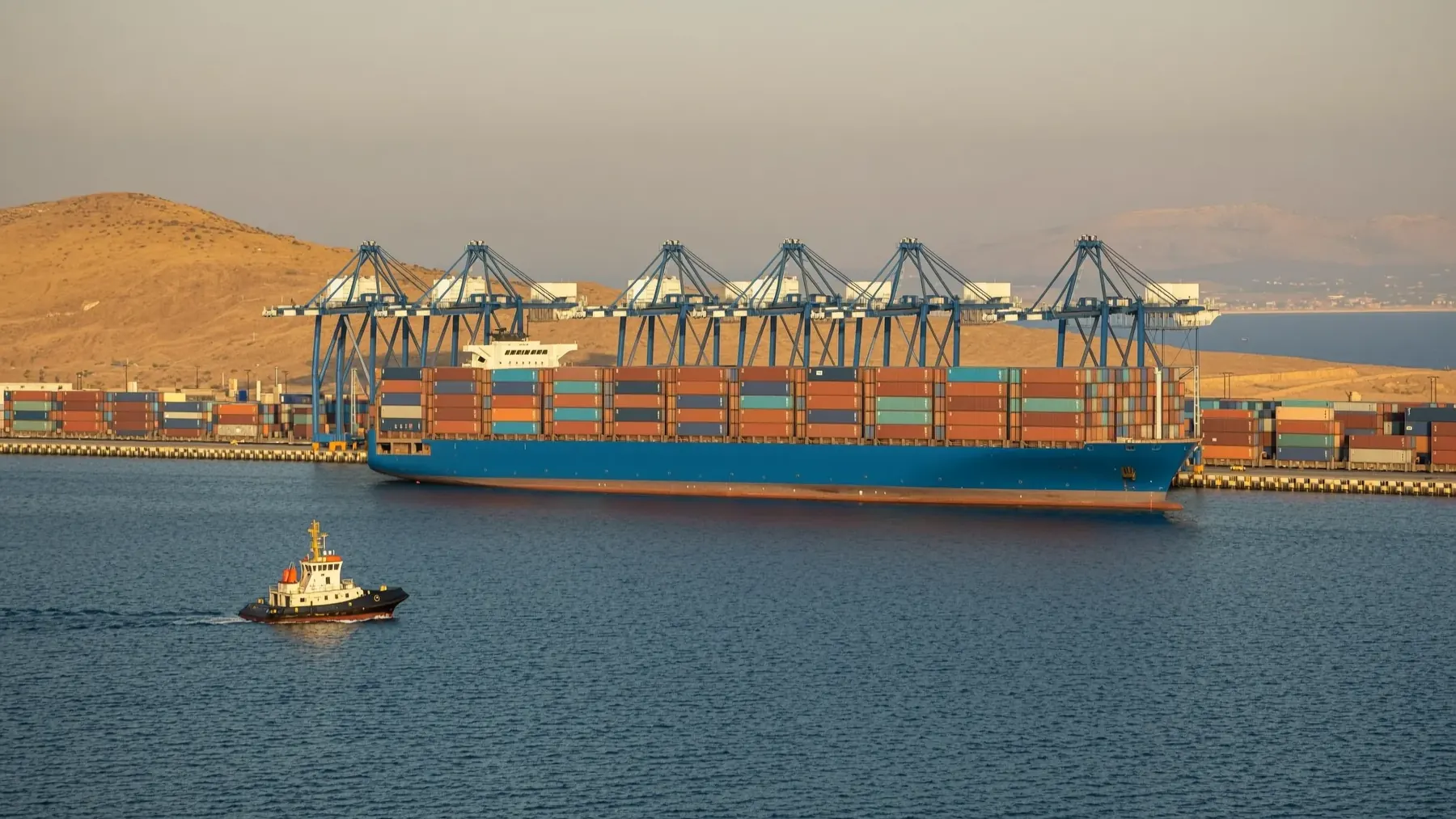
- ocean freight from a Chinese port (Shenzhen, Shanghai, Ningbo, or Qingdao) across the Trans-Pacific to a Chilean transit port — typically Arica or Antofagasta.
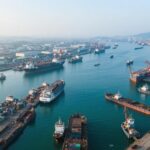
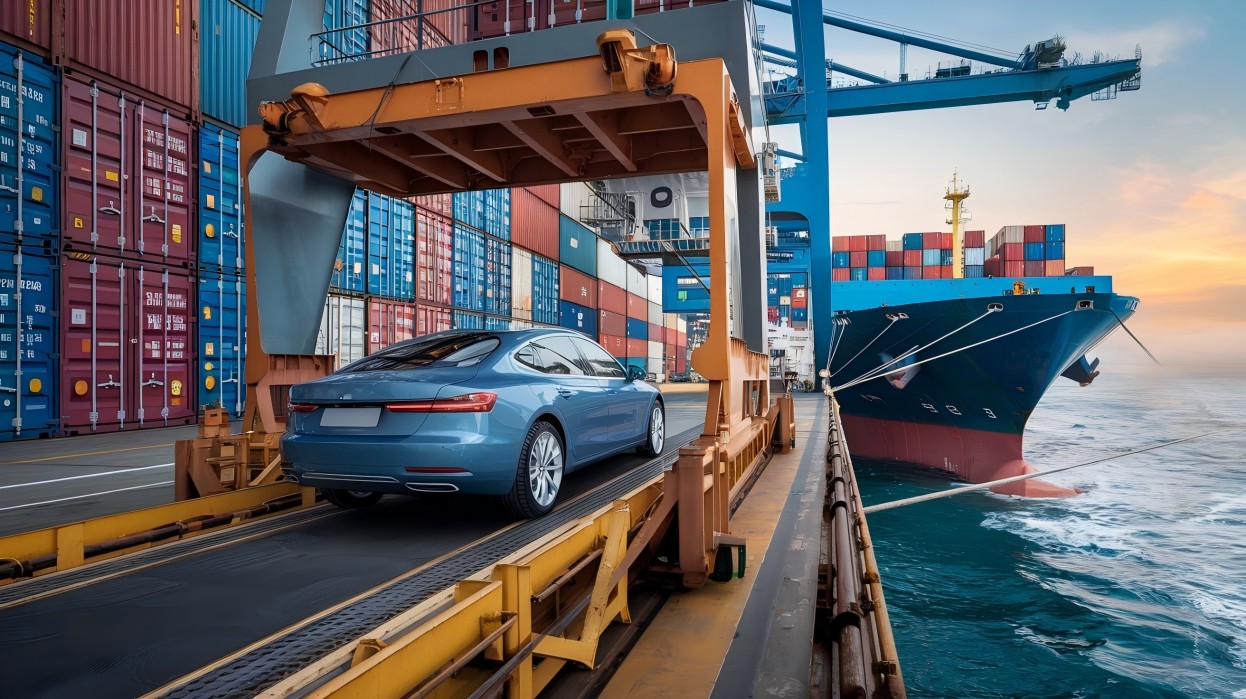
- Port transloading — the container is discharged and cargo is transferred to rail wagons at the port’s rail terminal.
- Rail transit on the FCA or FCAB network from the Chilean coast through the Andes, crossing into Bolivia at the Tambo Quemado or Ollagüe border crossing.
- Bolivia customs clearance at the destination rail terminal, followed by last-mile truck delivery to the consignee’s warehouse.
At every stage, the cargo moves under a Through Bill of Lading — a single transport document covering the entire multimodal journey. This is what makes it a unified “service” rather than a patchwork of separate bookings.
Key Terminology Worth Knowing
Before we go further, let’s define the terms you’ll encounter: Multimodal Transport means a single contract covering multiple transport modes. Intermodal Freight refers to containerized cargo moving across modes without the goods themselves being handled. Transloading is the physical transfer between modes at the port — a critical step where damage risk is highest. In-Bond Transit is the customs mechanism that allows your cargo to cross Chile sealed, without paying Chilean import duties, because its final destination is Bolivia.
Shipping from China to Bolivia by Train: Why Choose Rail Freight Service Over Road Transit?
Bolivia’s landlocked geography means every shipment from China must cross at least one international border after the ocean leg. The question isn’t whether you’ll need inland transport — it’s which mode makes economic and operational sense for your cargo.
The Bolivia Logistics Challenge
Road transport from Chilean ports faces genuine obstacles: Andean mountain passes above 4,000 meters elevation, seasonal snow closures in winter (June–September), border congestion during harvest and holiday peaks, and chronic driver shortages on high-altitude routes. The ocean leg itself — Sea Freight From China to Bolivia via Chilean transit ports — is a mature, well-served route with frequent sailings from major Chinese ports and competitive rates from multiple carriers including CMA CGM, Maersk, MSC, and ONE. Trucks are also limited to roughly 28–30 tons of payload through the mountains, and rates spike sharply during peak demand periods.
rail freight, by contrast, offers a predictable, weather-resistant alternative for the inland leg. Trains don’t get stuck in mountain pass snow closures, their per-ton cost is structurally lower for heavy cargo, and their capacity — an entire train versus a single truck — means more predictable scheduling for large-volume shippers.
Rail vs. Road Inland Transport: Head-to-Head Comparison
| Factor | Rail (FCA / FCAB) | Road (Truck) |
|---|---|---|
| Transit Time (Arica → La Paz) | 24–36 hours | 8–12 hours |
| Cost per Ton-Kilometer | Lower for cargo above 10–15 tons | Higher across all weight classes |
| Cargo Capacity | High — entire train loads | Limited — ~28–30 tons per truck |
| Weather Reliability | High — all-weather operation | Low — mountain passes close in winter |
| Network Coverage | Limited — specific corridors only | Extensive — reaches all Bolivian cities |
| Scheduling | Fixed departures, less flexible | On-demand, more flexible |
| Last-Mile | Always requires truck connection | Can go door-to-door directly |
| Best For | Heavy/bulk FCL, mining/industrial goods, construction materials | Time-sensitive shipments, LCL, remote destinations |
When Rail-Inclusive Shipping Is the Clear Winner
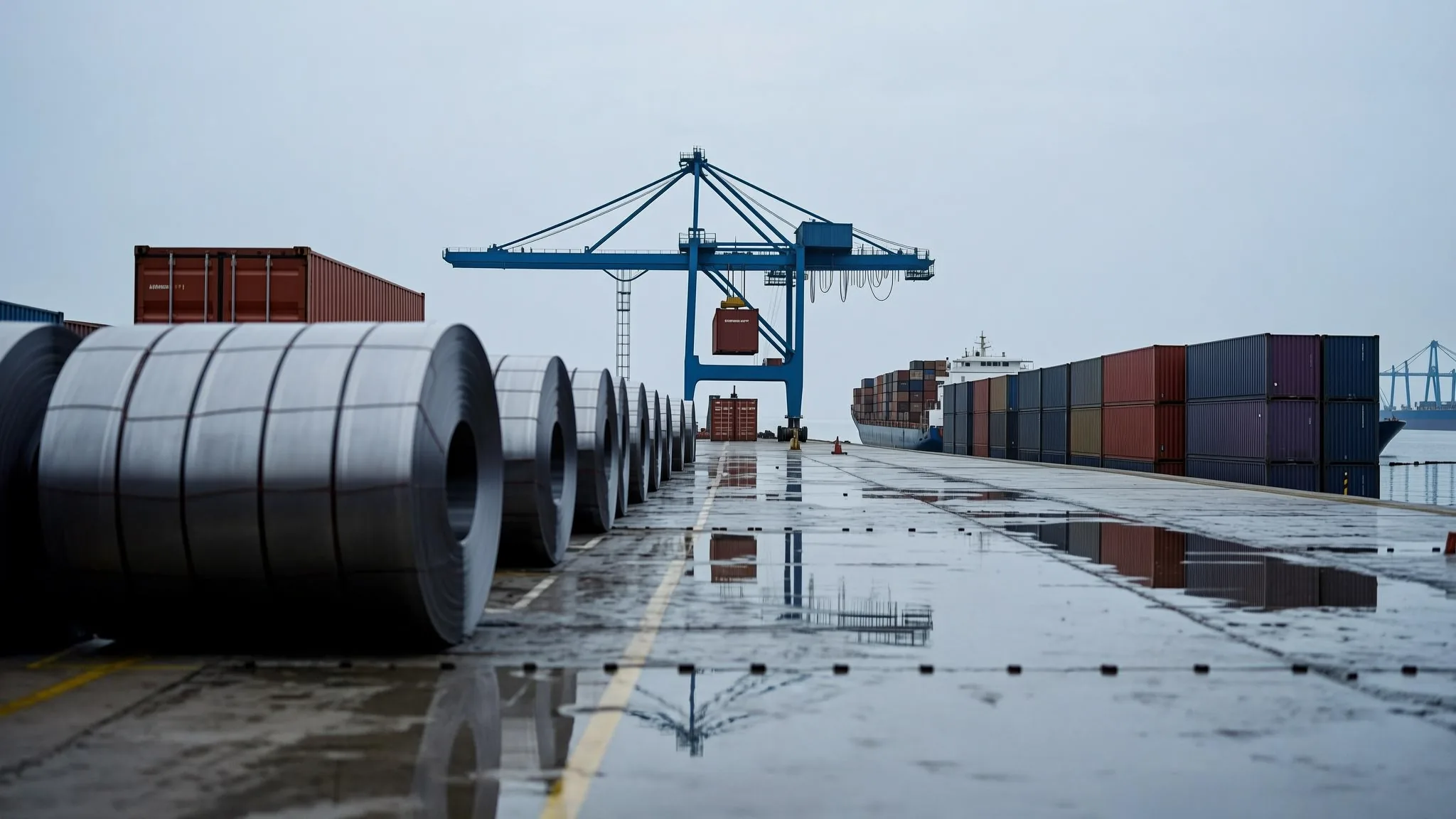
Choose sea + rail when you’re shipping full container loads (FCL) of heavy goods: machinery and industrial equipment, steel products, construction materials, bulk fertilizers, or mineral concentrates. Rail also makes sense for cost-sensitive shippers who can accept 1–2 extra days of transit in exchange for 15–30% savings on the inland leg. Destinations on the FCA corridor — La Paz, Oruro, Uyuni, Villazón — are ideal candidates.
When Road Transit Makes More Sense
Stick with sea + road for time-critical shipments (perishables, urgent retail restocking), LCL cargo under 5 CBM where rail consolidation minimums can’t be met, destinations far from rail infrastructure (Trinidad, Cobija, much of the Amazon basin), and high-value electronics where security on remote rail segments is a concern.
China to Bolivia Shipping Routes Multimodal: Rail Freight Routes, Ports & Transit Time
Three viable multimodal corridors exist today. The one you choose depends on your destination in Bolivia, your cargo type, and your tolerance for transit time versus cost.
Route A: Via Arica (Chile) + Ferrocarril Andino (FCA) — Recommended Primary Route
This is the workhorse corridor, handling roughly 60% of Bolivia’s total seaborne imports. The ocean leg from Shenzhen, Shanghai, or Ningbo to Arica takes 28–35 days on carriers like CMA CGM, Hapag-Lloyd, ONE, and MSC. At Arica, the container is transloaded to FCA rail wagons (1–2 days), then the train makes the 460-kilometer ascent to La Paz in 24–36 hours. After customs clearance and last-mile delivery (2–3 days), total door-to-door transit is 34–42 days. Arica is the closest Pacific port to La Paz and offers the most frequent sailings from China.
Route B: Via Antofagasta (Chile) + FCAB Railway — Heavy Cargo Alternative
Antofagasta sits roughly 300 kilometers south of Arica and connects to Oruro and La Paz via the FCAB rail network. The ocean leg takes 30–37 days, followed by 36–48 hours of rail transit. This route is particularly well-suited for mining equipment, OOG freight (Out of Gauge) , and heavy machinery — FCAB has extensive experience with oversized cargo from decades of serving Chile’s mining industry. Total door-to-door: 36–45 days.
Route C: Via Santos (Brazil) + Ferrocarril Oriental (FO) — Eastern Bolivia
For cargo destined to Santa Cruz de la Sierra or Bolivia’s eastern lowlands, the Atlantic route via Santos, Brazil is sometimes the only practical option. The ocean crossing takes 35–45 days, followed by a 5–7 day rail journey on the FO network from Corumbá to Santa Cruz. Total door-to-door reaches 45–55 days — significantly longer than the Pacific options. This route only makes economic sense for bulk or heavy cargo where the alternative would be a costly cross-Bolivia truck journey from the Pacific coast.
All-Mode Transit Time Comparison
| Mode | Ocean/Line-Haul | Inland Leg | Total Door-to-Door |
|---|---|---|---|
| Sea + Rail (Arica + FCA) | 28–35 days | 2–4 days | 34–42 days |
| Sea + Rail (Antofagasta + FCAB) | 30–37 days | 3–5 days | 36–45 days |
| Sea + Road (Arica + Truck) | 28–35 days | 1–3 days | 32–40 days |
| Sea + Rail (Santos + FO) | 35–45 days | 5–7 days | 45–55 days |
| Air Freight (via LPB/VVI) | 3–5 days | 1–2 days | 5–12 days |
| Express Courier (DHL/UPS/FedEx) | 3–5 days | 1 day | 5–8 days |
Which Chinese Port Should You Ship From?
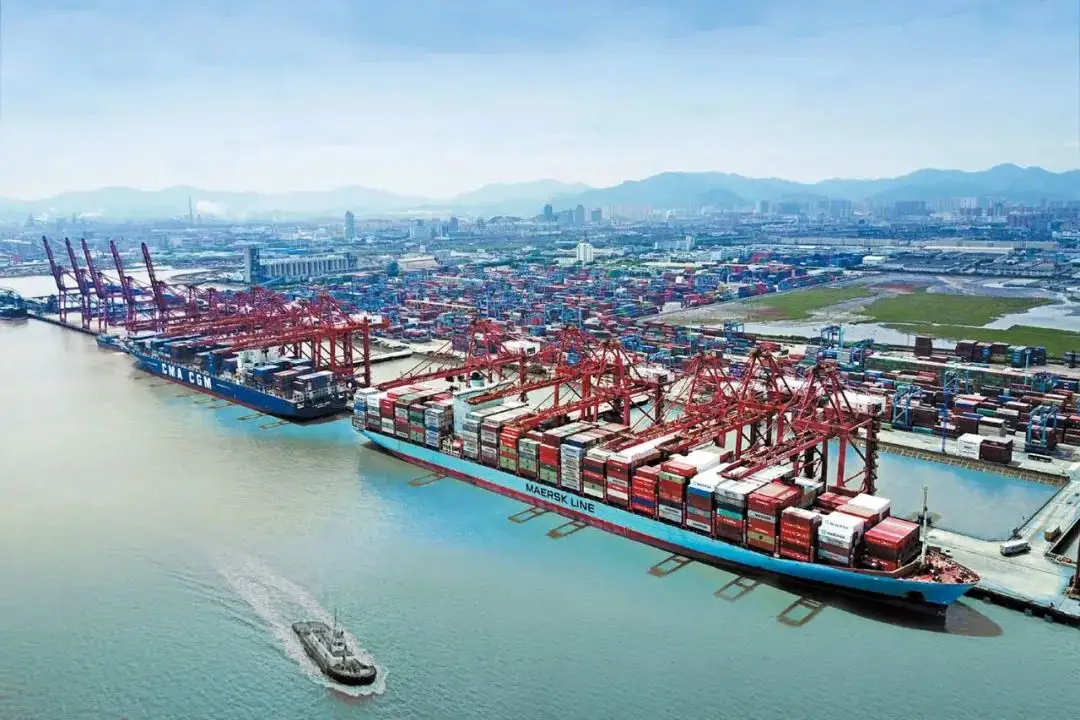
Shenzhen (Yantian and Shekou terminals) offers the most frequent sailings to South America’s Pacific coast and is Dantful’s home base — our operations team manages export procedures here daily. Shanghai and Ningbo are strong alternatives with competitive rates. Qingdao works well for cargo originating in northern China, while Guangzhou (Nansha) is rapidly expanding its South America services.
Customized Railway Logistics China to Bolivia: A Step-by-Step Door-to-Door Railway Service Guide
“Customized” is the most overused word in freight forwarding — so let me show you exactly what it means in practice on the China–Bolivia corridor.
What “Customized” Actually Means
A customized railway logistics solution tailors five variables to your specific shipment:
- Rail car selection: Flat racks for heavy machinery and construction materials; open-top wagons for bulk minerals; standard box cars for palletized consumer goods; tank containers for liquid cargo.
- Route optimization: Arica versus Antofagasta versus Santos — chosen based on your destination city, not a default template.
- Consolidation strategy: For smaller volumes, LCL railway consolidation groups your cargo with other shippers’ to meet rail minimums; for full containers, FCL direct loading saves time and handling.
- Insurance tailoring: Coverage level matched to cargo value and route risk profile — standard for electronics shipping China to Bolivia by rail, enhanced for high-value machinery.
- Incoterm selection: DDP, DAP, FOB, or EXW depending on whether you have an established customs broker in Bolivia or prefer a single-point-of-contact solution.
Step 1: Factory Pickup & China Export Customs (Days 1–3)
Your shipment begins with trucking from the supplier’s factory to the departure port. Our team prepares the export declaration package — Commercial Invoice, Packing List, and any required export licenses — and clears Chinese customs. Container loading is supervised to ensure proper weight distribution and cargo securing, which is critical for the rough rail segments ahead. Dantful’s 50-person Shenzhen operations team handles this stage daily across hundreds of shipments.
Step 2: Ocean Freight — China to Chilean Transit Port (Days 4–35)
The container is loaded onto a vessel at Shenzhen, Shanghai, or Ningbo for the Trans-Pacific crossing to South America. Throughout the voyage, you receive real-time vessel tracking updates. The container arrives at Arica or Antofagasta, Chile’s primary gateway ports for Bolivian trade.
Step 3: Port Transloading & Rail Loading (Days 35–37)
At the Chilean port, the container is discharged and cargo is transloaded to rail wagons. A rail waybill is issued, and Chilean in-bond transit documentation is prepared — the cargo is sealed for transit across Chile to Bolivia without incurring Chilean import duties. This is the most handling-intensive stage; working with a forwarder that has an established presence at the port minimizes transloading delays.
Step 4: Cross-Border Rail Transit (Days 37–39)
The train departs on the FCA or FCAB network, climbing through some of the highest rail lines in the world. The border crossing occurs at Tambo Quemado (Arica route) or Ollagüe (Antofagasta route), where in-bond transit documentation is verified by both Chilean and Bolivian authorities. This segment typically takes 24–48 hours depending on the specific route and border processing time.
Step 5: Bolivia Customs Clearance & Last-Mile Delivery (Days 39–42)
The train arrives at the Bolivian rail terminal — El Alto (serving La Paz), Oruro, or a connecting point. ANB (Aduana Nacional de Bolivia) processes the import declaration through the SUMA electronic system. Duties and VAT are assessed and must be paid before cargo release. If your product category requires SENAVEX pre-inspection, the certificate (obtained back in Step 1) is presented here. Finally, a truck delivers your cargo from the rail terminal to your warehouse — door-to-door complete.
Cargo Insurance: Don’t Skip This
Standard marine cargo insurance policies often have exclusions for inland rail segments, particularly on South American routes. An all-risk multimodal cargo insurance policy covering ocean + rail + road under a single contract is strongly recommended. Dantful’s Insurance Services provide all-risk multimodal coverage specifically tailored to the China–Bolivia route, with no gaps between ocean, rail, and road segments. The multiple handling points — vessel discharge, transloading, rail transit, border inspection — create cumulative risk that a basic marine policy may not fully cover. Ask your forwarder specifically about rail segment coverage before booking.
FCL Rail Freight China to Bolivia Price: Cheapest Railway Shipping Cost & Import Logistics Breakdown
Let’s talk numbers. What follows are real-world estimate ranges based on current market conditions (mid-2026). Actual quotes will vary by season, carrier, cargo specifics, and your negotiating position — but these ranges give you a reliable budgeting framework.
What Determines Your Total Cost?
Seven factors drive your final shipping cost: cargo volume (CBM) and weight (tonnage), container type (20ft, 40ft, or 40ft HC), your origin port in China and destination city in Bolivia, inland mode selection (rail versus road), seasonal demand (peak season runs August–November; Chinese New Year creates a separate spike in January–February), fuel prices and carrier rate fluctuations, and insurance coverage level.
Cost Component Breakdown: 20ft Container via Arica + FCA Rail
| Cost Component | Estimated Range (USD) |
|---|---|
| Factory to Shenzhen port trucking | $200 – $500 |
| China export customs clearance & documentation | $150 – $300 |
| Ocean freight (Shenzhen → Arica) | $1,200 – $1,800 |
| Port terminal handling (Arica) | $200 – $400 |
| Transloading (container to rail wagon) | $300 – $500 |
| Rail freight (Arica → La Paz) | $600 – $1,000 |
| Bolivia border customs brokerage | $300 – $600 |
| Last-mile delivery (La Paz metro area) | $200 – $500 |
| Total Logistics (excluding duties & VAT) | $3,150 – $5,600 |
Note: Bolivia import duty (GA: 0–40% on CIF value) and VAT (IVA: 13% on CIF + duty) are additional and vary by HS code. A detailed duty calculation example is provided in Section 7.
Mode Cost Comparison: 20ft Container to La Paz
| Mode | Logistics Cost (excl. duty/VAT) | Transit Time | Best For |
|---|---|---|---|
| Sea + Rail (Arica + FCA) | $3,150 – $5,600 | 34–42 days | Heavy/bulk FCL, cost-sensitive |
| Sea + Road (Arica + Truck) | $3,500 – $6,000 | 32–40 days | Time-sensitive FCL, flexible delivery |
| Sea + Rail (Santos + FO) | $4,500 – $7,000 | 45–55 days | Santa Cruz destinations (bulk only) |
| Air Freight | $4.50 – $7.00/kg | 5–12 days | High-value, urgent, perishable |
| Express (DHL/UPS/FedEx) | $6.00 – $10.00/kg | 5–8 days | Small parcels, samples, documents |
When Rail Saves You Real Money
The break-even point is straightforward: for cargo above 10–15 tons, rail inland transport typically costs 15–30% less than road from Arica to La Paz. For a standard 20ft container loaded with machinery or steel products at 18–22 tons, that’s $400–$900 in direct savings on the inland segment alone. For multi-container shipments, the savings compound quickly.
Below 5 CBM or 5 tons, road LCL consolidation is almost always more economical — you won’t meet rail minimums and the transloading cost eats any theoretical per-ton savings.
Hidden Costs to Budget For
Five costs that first-time shippers often miss: (1) rail terminal handling fees at the Bolivia destination — not always quoted in the initial rail freight rate; (2) demurrage and detention charges if customs clearance is delayed beyond free time; (3) transloading damage — multiple mode changes increase handling risk; budget for proper packaging and crating; (4) border inspection fees from SENAVEX or SENASAG if your goods fall under their purview; (5) currency exchange fluctuation between the US dollar (in which freight is quoted) and the Boliviano (in which local charges may be invoiced).
China to Bolivia Customs Clearance Railway: Documentation, Duties & Cargo Insurance for Rail Freight
Bolivia’s customs regime is more complex than most importers expect — and for rail freight specifically, the multi-jurisdictional nature of the journey adds documentation layers that sea-only shipments to coastal countries don’t face. Dantful’s Customs Clearance service includes dedicated broker coordination for both Chilean in-bond transit and Bolivian import clearance, ensuring documentation is complete before cargo reaches the border.
Bolivia’s Customs Authority & the SUMA System
All commercial imports into Bolivia must be declared through ANB (Aduana Nacional de Bolivia) via the SUMA electronic platform. You’ll need a valid NIT (Número de Identificación Tributaria) — Bolivia’s tax identification number — before your cargo can clear. A licensed Bolivian customs broker is mandatory for all commercial imports; individuals cannot self-clear. Your freight forwarder should either provide broker coordination or connect you with a qualified broker. For a complete door to door shipping from China to Bolivia solution — covering factory pickup, ocean freight, rail transit, customs clearance, and last-mile delivery under a single DDP arrangement — working with an experienced China-based forwarder eliminates the complexity of coordinating multiple service providers across three countries.
SENAVEX Pre-Inspection: Don’t Skip This
SENAVEX (Servicio Nacional de Verificación de Exportaciones) requires pre-shipment inspection for specific product categories — including textiles and garments, footwear, certain electronics, and steel products. The inspection must be completed in China before your shipment departs. If you ship without the certificate and your goods fall under SENAVEX jurisdiction, your cargo will be rejected at the Bolivia border — resulting in costly return freight or indefinite storage fees. A competent China-based forwarder can coordinate SENAVEX inspection at origin as part of the export process.
Complete Documentation Checklist
| Document | Required By | Critical Notes |
|---|---|---|
| Commercial Invoice | ANB (Bolivia Customs) | Must be in Spanish (or bilingual Spanish/English) |
| Packing List | ANB | Detailed weights and dimensions per item |
| Through Bill of Lading | All parties | Single B/L covering ocean + rail + road segments |
| Rail Waybill | FCA / FCAB | Issued at the transloading point |
| Certificate of Origin | ANB | FORM A (GSP) or FORM F (China-Chile FTA route) |
| SENAVEX Certificate | SENAVEX | If applicable — obtained before departure from China |
| Cargo Insurance Policy | For claims | All-risk multimodal coverage recommended |
| NIT Registration | ANB | Importer’s Bolivian tax identification |
| MIC/DTA (In-Bond Transit Document) | Chile Customs | Manifiesto Internacional de Carga / Declaración de Tránsito Aduanero |
Duties & Taxes: Example Calculation
- Customs Duty (GA — Gravamen Arancelario): 0–40% on CIF value, determined by your product’s HS code. Most industrial goods and machinery fall in the 5–10% range; consumer goods can reach 20–35%.
- VAT (IVA — Impuesto al Valor Agregado): 13% levied on (CIF value + customs duty).
- ICE (Impuesto al Consumo Específico): An additional consumption tax on specific luxury items, alcoholic beverages, and tobacco.
Example (machinery, HS code with 5% duty): CIF value $10,000 → Customs duty $500 → IVA 13% × ($10,000 + $500) = $1,365 → Total import tax burden: $1,865 (before logistics costs). By comparison, the same shipment under a 20% duty HS code would incur $2,000 duty + $1,560 IVA = $3,560 in taxes alone. Correct HS classification is not just compliance — it’s cost management.
Common Customs Pitfalls
Incomplete or non-Spanish documentation is the number one cause of multi-day border delays on this route. Missing SENAVEX certificates lead to outright cargo rejection. Incorrect HS code classification results in either overpayment or audit penalties. And ANB’s reference pricing database means undervaluation attempts are caught systematically — the agency compares declared values against known market prices and flags discrepancies automatically. The most effective mitigation is working with a forwarder that reviews all documentation before departure.
Belt and Road Railway to Bolivia: The Bi-Oceanic Corridor & Future of China-Bolivia Railway Logistics Solutions
Everything we’ve discussed so far describes the current reality. But the most significant development in China–Bolivia logistics isn’t operational yet — it’s under active development, and it will reshape the entire corridor within a decade.
What Is the Bi-Oceanic Railway Corridor?
The Bi-Oceanic Railway Corridor (Corredor Ferroviario Bioceánico) is a flagship Belt and Road Initiative (BRI) project backed by China, designed to connect the Atlantic and Pacific oceans across the South American continent with Bolivia at the center. The planned route runs from the Port of Santos (Brazil, Atlantic Ocean) through Bolivian territory — passing through Santa Cruz, Cochabamba, and La Paz — to the Port of Chancay (Peru, Pacific Ocean).
In August 2025, Bolivia and China formalized cooperation on the corridor, with China committing 100 million yuan (approximately USD 14 million) in non-reimbursable technical cooperation aid for feasibility studies and engineering surveys. Peru’s Chancay port — majority Chinese-funded and already operational — provides the Pacific anchor point.
How This Transforms China–Bolivia Shipping
The numbers tell the story. Today, the fastest door-to-door transit from China to La Paz is 34–42 days via Arica + FCA rail. Under the Bi-Oceanic corridor, the math shifts dramatically: ocean freight from China to Chancay, Peru takes approximately 25 days — Chancay is significantly closer to Asia than Chilean ports — and direct rail across Bolivia from Chancay to Santa Cruz or La Paz could add just 3–5 days. The potential total transit drops to 28–32 days, a roughly 25% reduction.
More importantly, Bolivia transforms from a landlocked logistics problem into a continental transit hub, reducing its dependency on Chilean ports for international trade and creating genuine route diversification for importers.
Timeline & What Importers Should Do Now
Full corridor completion is realistically a 2030s timeline — this is major infrastructure across three countries with significant terrain challenges. But incremental segments are advancing, and Bolivia’s domestic rail modernization (track upgrades, gauge standardization) is being funded in parallel.
In the short term, the corridor won’t change your immediate shipping options. But importers who start building relationships with forwarders that understand BRI corridor development — forwarders actively monitoring route evolution and building partnerships along emerging corridors — will have a first-mover advantage as segments come online. At Dantful, we’re tracking these developments closely and establishing agent relationships across the corridor’s key nodes.
FAQs
Is there a direct railway from China to Bolivia?
No. There is no transcontinental railway connecting China to Bolivia or any South American country. When freight forwarders advertise “railway service from China to Bolivia,” they are referring to multimodal sea-rail transport: ocean freight from China to a Chilean port (Arica or Antofagasta), then rail transport from that port into Bolivia via the FCA or FCAB networks.
How long does rail freight from China to Bolivia take?
Total door-to-door transit via the Arica (Chile) + FCA rail route is typically 34–42 days. The ocean crossing from China to Chile dominates the timeline at 28–35 days; the rail segment from Arica to La Paz takes just 24–36 hours. Customs clearance and last-mile delivery add 2–3 days.
What’s the cheapest way to ship from China to Bolivia?
For full container loads of heavy cargo (above 10–15 tons), sea + rail multimodal via Arica is the most cost-effective option, saving 15–30% on inland transport compared to all-road solutions. For LCL shipments under 5 CBM, sea + road consolidation is usually more economical. For small parcels, air express (DHL/UPS/FedEx) may be the only practical choice.
What types of cargo are best suited for rail transport to Bolivia?
Rail transport to Bolivia is ideal for: heavy machinery and industrial equipment, steel products, construction materials, bulk fertilizers and minerals, and OOG (Out of Gauge) cargo on flatbed rail cars. It is less suited for perishables, high-value small electronics (security varies by corridor), and urgent retail inventory where every day of transit matters.
DDP or DDU for shipping from China to Bolivia?
DDP Shipping Services are strongly recommended for Bolivia shipments because the logistics chain involves a minimum of three jurisdictions (China, Chile, Bolivia) with six operational layers. A DDP arrangement places a single forwarder in charge of the entire chain — China export, ocean freight, Chilean in-bond transit, Bolivia customs clearance, duty and VAT payment, and final delivery — minimizing the risk of border delays, unexpected charges, and coordination failures between multiple service providers.
Is rail freight to Bolivia safe? Do I need insurance?
Rail freight in South America is generally safe, but three risk factors warrant attention: cargo shifting on steep Andean mountain grades, theft vulnerability at remote rail stops, and transloading damage at port terminals. Comprehensive all-risk multimodal cargo insurance covering ocean, rail, and road segments under a single policy is strongly recommended. Verify with your forwarder that rail segments are explicitly included — standard marine cargo policies sometimes exclude inland rail.
Which Chinese city is best for shipping to Bolivia?
Shenzhen offers the most frequent sailings to South American Pacific ports and is the home base of Dantful’s operations team — making it the optimal origin for most Bolivia-bound shipments. Shanghai and Ningbo are strong alternatives with competitive rates. Qingdao works well for northern China origins, with slightly longer transit.
China to Bolivia Freight Forwarder Railway: Partner with Dantful for Customized Logistics
After 15+ years of managing multimodal shipments from China to destinations across 200 countries, here’s what we know for certain about the Bolivia corridor: there is no one-size-fits-all solution. The right answer depends on your cargo, your destination city, your budget, and your timeline — and the best freight forwarder from china to Bolivia is the one that gives you an honest assessment of all four variables rather than pushing a single default route.
Why Importers Choose Dantful for China–Bolivia Railway Logistics
| Dantful Advantage | What It Means for Your Bolivia Shipment |
|---|---|
| Shenzhen Headquarters (Est. 2008) | 15+ years of hands-on China logistics — we know every major port, factory region, and export procedure |
| Class-A, NVOCC, FMC & Jctrans Certified | Internationally recognized credentials — no competitor on this route displays comparable certification depth |
| 200-Country Agent Network | Established partnerships in Bolivia, Chile, and Peru for seamless customs clearance and last-mile delivery |
| 50 Operations + 50+ Customer Service Staff | A dedicated team managing your shipment at every stage — not outsourced to unknown subcontractors |
| Direct Carrier Contracts | Competitive ocean rates through long-term relationships with CMA CGM, Maersk, MSC, ONE, and Hapag-Lloyd |
| Real-Time Cargo Tracking | Daily milestone updates across ocean, rail, and road — you always know where your cargo is |
| Comprehensive Cargo Insurance | All-risk multimodal coverage tailored to the China–Bolivia route’s specific risk profile |
| Truly Customized Solutions | Your cargo gets a tailored routing, mode, and Incoterm recommendation — never a template answer |
Your Next Step
Whether you’re moving a single 20ft container of machinery to La Paz or building a regular supply chain of consumer goods to Santa Cruz, the right logistics partner makes the difference between a shipment that arrives on budget and one that accumulates border fees, demurrage charges, and weeks of unexpected delays.
Contact Dantful today for a free, no-obligation customized quote on your China-to-Bolivia railway logistics. Our multilingual team is available 24/7 to discuss your cargo, your destination, and the optimal multimodal routing for your specific needs.

Young Chiu is a seasoned logistics expert with over 15 years of experience in international freight forwarding and supply chain management. As CEO of Dantful International Logistics, Young is dedicated to providing valuable insights and practical advice to businesses navigating the complexities of global shipping.