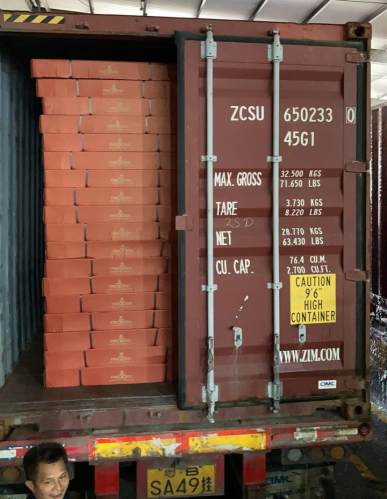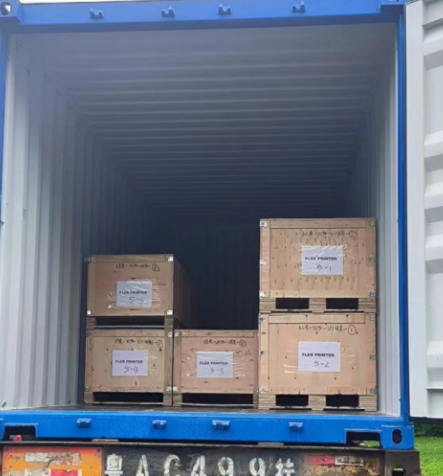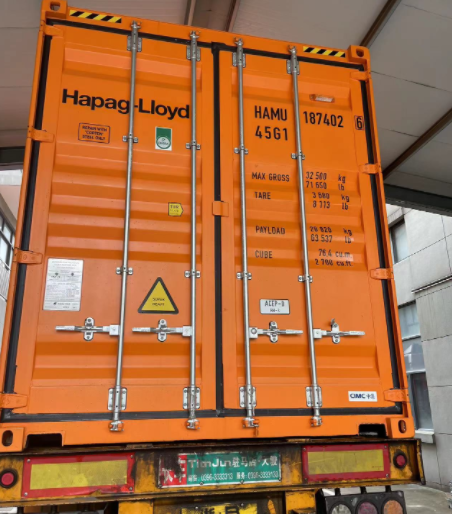
Curious about the Cost of Shipping 20ft & 40ft Containers from China to Brazil in June 2026?
With China and Brazil’s trade volumes hitting new records — bilateral trade exceeded $157 billion in 2025 according to UN Comtrade data — importers face rising pressure to navigate fluctuating freight rates and evolving logistics challenges. This concise guide gives you a clear breakdown of container shipping costs, highlights current price trends, and pinpoints key factors impacting your shipping expenses. Gain expert tips to optimize your logistics, control spending, and ensure your cargo moves smoothly—whether you’re a seasoned trader or just starting out in China-Brazil commerce.
In this blog, we will delve into the intricacies of shipping containers, explore how to optimize costs, and provide valuable insights for importers looking to streamline their logistics processes. Whether you’re a seasoned importer or new to the industry, gaining knowledge about shipping costs will empower you to make informed decisions and enhance your trade activities between China and Brazil.
Related Article : Shipping From China to Brazil
What Affects Container Shipping Costs from China to Brazil?
When considering the cost of shipping containers from China to Brazil, several factors come into play. Understanding these elements will help you make informed decisions and potentially save on shipping expenses.
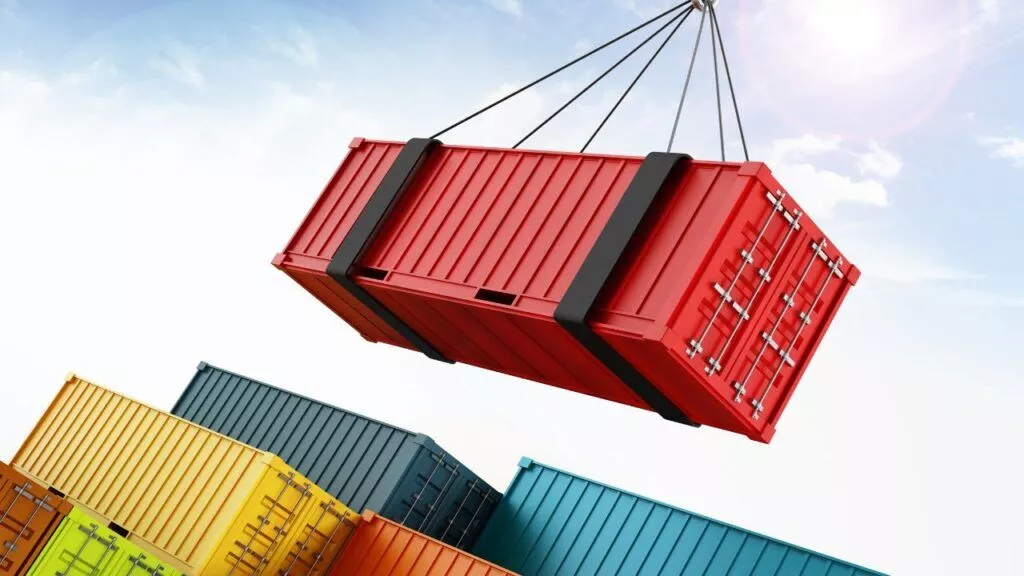
Shipping Distance & Main Routes from China to Brazil
The distance between the origin and destination port greatly influences shipping costs. Different routes may vary in price due to factors like shipping lanes, port accessibility, and geographic considerations. For example, routes with frequent traffic might offer lower rates due to economies of scale, while less common routes could be more expensive. Researching optimal shipping routes can be beneficial; consider consulting with a professional freight forwarder like Dantful International Logistics for tailored solutions.
20ft vs 40ft Container: Which Size Saves You More Money?
The size of the container is another crucial factor. A 20ft container typically costs less than a 40ft container, but the price difference may not be proportional to the increased capacity. If you can maximize the space of a 40ft container, it can often be more cost-effective on a per-unit basis. Additionally, larger containers may qualify for bulk discounts, making them a more economical choice for larger shipments.
FCL vs LCL Shipping: Which Method Is Right for Your Cargo?
Choosing between Full Container Load (FCL) and Less than Container Load (LCL) shipping can significantly affect costs. FCL shipping allows you to rent an entire container, which is often more economical if you have enough goods to fill it. Conversely, LCL shipping shares container space with other shipments, which may be more affordable for smaller loads but often incurs additional handling fees. Evaluating your shipment size and weight can help determine the best shipping method for your needs. For a detailed comparison of FCL vs LCL, refer to our guide on LCL vs FCL Shipping: How to Choose the Right Option.
Peak Season vs Off-Peak: How Timing Affects Your Shipping Rates
Shipping costs fluctuate seasonally. As of June 2026, the China-Brazil trade lane is entering the mid-year peak shipping season, with carriers reporting tightening capacity and rising demand ahead of Q3 holiday restocking cycles. Importers should anticipate potential Peak Season Surcharges (PSS) and equipment shortages at major Chinese export hubs. Booking 3–4 weeks in advance and maintaining routing flexibility are strongly recommended to secure space and control costs. The actual rate impact varies by origin port, carrier, booking week, and destination port.
How Fuel Surcharges (BAF/FAF) Impact Your Shipping Cost
Fuel-related surcharges (often shown as BAF/FAF or similar) can materially affect your total cost. As of June 2026, these surcharges are still commonly adjusted by carriers based on bunker prices and operational costs. Because surcharge formulas differ by carrier and change over time, treat fuel costs as a variable line item and confirm the latest surcharge breakdown in your quote.
Port Fees, THC & Terminal Handling Charges Explained
Shipping costs include various port fees. As of June 2026, typical terminal and handling charges (THC and related port service fees) still apply at both origin and destination, and may differ by port/terminal and by whether you ship FCL or LCL. Brazilian customs-related service fees can also apply depending on the broker and clearance complexity. Extra charges may occur if storage exceeds the free time window (often a few days, depending on terminal rules). A reliable logistics partner like Dantful International Logistics can help clarify these charges before booking.
READ MORE:
- Shipping From China to the United States
- Shipping From China TO Canada
- Shipping From China TO Mexico
- Shipping From China to Panama
- Shipping From China to Costa Rica
- Shipping From China to Brazil
- Shipping From China TO Colombia
- Shipping From China to Jamaica
- Shipping From China to Venezuela
20ft Container Shipping Cost from China to Brazil
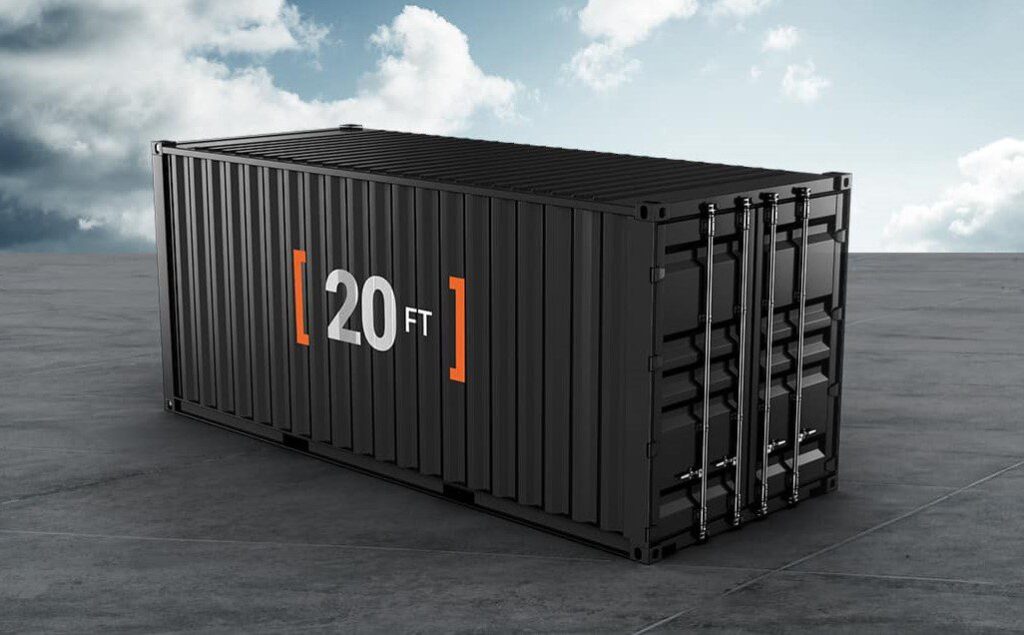
The cost of shipping a 20ft container from China to Brazil can vary significantly based on several aspects such as the shipping route, the logistics provider, and additional fees. Below is a comprehensive breakdown of the typical costs involved:
| Cost Component | Description | Estimated Cost (USD) |
|---|---|---|
| Freight Charges | Cost of transporting the container by sea from a Chinese port (e.g., Shanghai) to Brazil. | $1,200 – $2,600 |
| Customs Duties | Duties imposed by Brazilian customs based on the value of the goods being imported. | 0% – 20% (varies) |
| Port Charges | Fees charged by the port of departure and arrival for handling the container. | $200 – $500 |
| Insurance | Optional insurance to cover goods during transit; generally 0.5% – 2% of the cargo value. | $50 – $200 |
| Documentation Fees | Costs associated with necessary shipping documents (BOL, invoices, etc.). | $100 – $300 |
| Delivery Charges | Costs for transporting the container from the port to the final destination within Brazil. | $500 – $1,000 |
| Handling Fees | Fees for loading and unloading of the container at the ports. | $100 – $300 |
| Miscellaneous Fees | Any additional fees that may apply, such as terminal handling charges or storage fees. | $100 – $300 |
Total Estimated Cost
The total estimated cost for shipping a 20ft container from China to Brazil generally ranges between $2,300 and $5,000 depending on the aforementioned factors (as of June 2026).
40ft Container Shipping Cost from China to Brazil
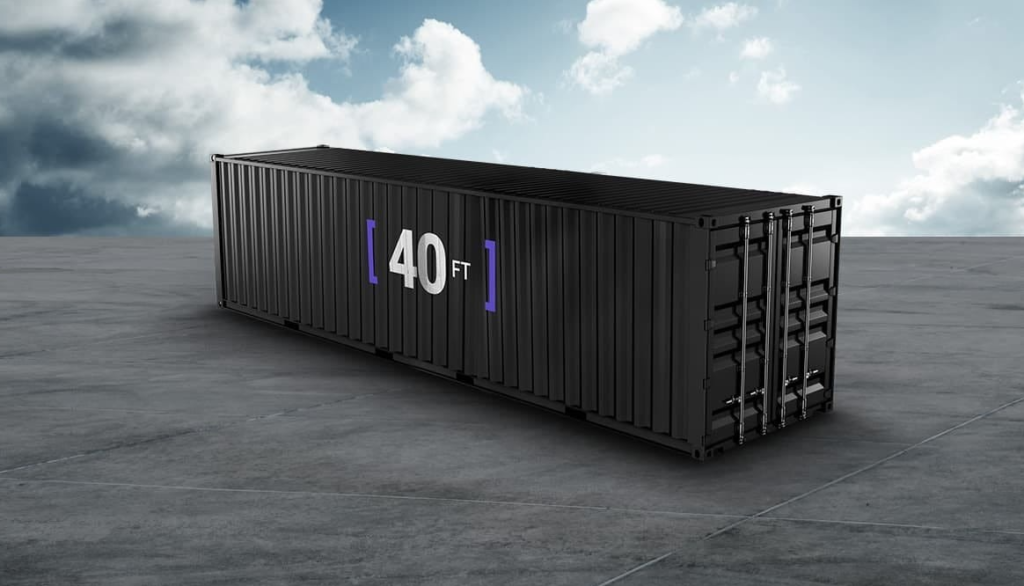
Shipping a 40ft container from China to Brazil typically incurs higher costs due to the increased volume and weight. Below is a detailed breakdown of the costs involved:
| Cost Component | Description | Estimated Cost (USD) |
|---|---|---|
| Freight Charges | Cost of transporting the container by sea from a Chinese port to Brazil. | $1,950 – $4,200 |
| Customs Duties | Duties imposed by Brazilian customs based on the value of the goods being imported. | 0% – 20% (varies) |
| Port Charges | Fees charged by the port of departure and arrival for handling the container. | $300 – $800 |
| Insurance | Optional insurance for covering goods during transit; generally 0.5% – 2% of the cargo value. | $100 – $400 |
| Documentation Fees | Costs for necessary shipping documents (BOL, invoices, etc.). | $150 – $350 |
| Delivery Charges | Costs for transporting the container from the port to the final destination within Brazil. | $800 – $1,500 |
| Handling Fees | Fees for loading and unloading of the container at the ports. | $200 – $500 |
| Miscellaneous Fees | Any additional fees that may apply, such as terminal handling charges or storage fees. | $150 – $400 |
Total Estimated Cost
The total estimated cost for shipping a 40ft container from China to Brazil generally ranges between $3,800 and $8,500 depending on the various components outlined above (as of June 2026).
5 Key Factors That Determine Your Final Container Shipping Cost
- Shipping Lines: Different shipping companies will have varying rates and services; it’s advisable to compare options.
- Fuel Prices: Fluctuations in fuel prices can have a significant impact on freight charges.
- Customs Regulations: Brazilian customs regulations can affect the final cost due to duties and taxes; staying informed is crucial.
- Insurance: Although not mandatory, obtaining insurance for your cargo can provide security against potential losses.
- Final Destination: Costs may vary based on the destination city in Brazil, as some locations may have different handling or delivery fees.
For tailored solutions and competitive pricing, consider reaching out to Dantful International Logistics, a reliable provider of international shipping services.
Origin & Destination Ports: Cost Comparison
Container shipping costs vary meaningfully depending on the specific ports involved. Below is a comparison of typical cost differentials across major China-Brazil port pairs (as of June 2026).
Compare Shipping Costs by Chinese Origin Port (20ft & 40ft to Santos, Brazil)
| Origin Port (China) | 20ft Freight (USD) | 40ft Freight (USD) | Notes |
|---|---|---|---|
| Shanghai | $1,200 – $2,600 | $1,950 – $4,200 | Highest sailing frequency; most competitive rates |
| Shenzhen | $1,250 – $2,650 | $2,000 – $4,300 | Strong electronics & consumer goods export hub |
| Ningbo | $1,200 – $2,550 | $1,900 – $4,150 | Competitive rates; slightly fewer direct sailings |
| Qingdao | $1,350 – $2,800 | $2,050 – $4,500 | Northern port; typically $150–$300 premium over Shanghai |
| Guangzhou (Nansha) | $1,300 – $2,700 | $2,000 – $4,350 | Good availability for southern China cargo |
Compare Shipping Costs by Brazilian Destination Port (40ft from Shanghai)
| Destination Port (Brazil) | 40ft Freight (USD) | Transit Time (Days) | Notes |
|---|---|---|---|
| Santos (SP) | $1,950 – $4,200 | 30–38 | Brazil’s largest container port; most sailings |
| Rio de Janeiro (RJ) | $2,050 – $4,400 | 32–40 | Slight premium vs. Santos |
| Itajaí / Navegantes (SC) | $2,100 – $4,500 | 33–42 | Southern ports; fewer direct calls |
| Paranaguá (PR) | $2,050 – $4,400 | 32–40 | Strong agricultural & industrial import hub |
| Itapoá (SC) | $2,100 – $4,500 | 33–42 | Growing container terminal; competitive rates |
Key takeaway: Shanghai and Ningbo tend to offer the most competitive rates for the China-Brazil lane. Santos consistently provides the lowest destination-side costs due to its high container throughput. Choosing a less common port pair (e.g., Qingdao → Itajaí) can add $200–$500 to freight costs and 5–10 days to transit time.
China-Brazil Shipping Rate Calendar: Seasonal Price Fluctuations Explained
Shipping rates on the China-Brazil trade lane follow predictable seasonal patterns. Understanding these cycles helps you time shipments for the best rates.
| Season | Months | Rate Trend vs. Baseline | Key Drivers |
|---|---|---|---|
| Post-Chinese New Year Lull | Feb – Mar | –10% to –15% | Factory restarts; low export volume |
| Q2 Recovery | Apr – May | Baseline to +5% | Steady demand recovery |
| Mid-Year Peak | Jun – Aug | +10% to +25% ⬅️ Current | Q3 holiday restocking; tight capacity |
| Pre-Golden Week Rush | Sep | +15% to +30% | Urgent shipments before China’s National Day |
| Q4 Holiday Peak | Oct – Nov | +20% to +35% | Year-end retail demand; highest rates |
| Pre-CNY Rush | Dec – Jan | +15% to +30% | Factory closures ahead of Chinese New Year |
Practical impact (June 2026): With rates currently in the mid-year peak window, a 40ft container that would cost around $3,500 in March could now run $3,850–$4,375 — a $350–$875 premium. If your shipment is flexible, booking for late August or early September (before the pre-Golden Week rush) or deferring until the post-CNY lull in February–March 2027 can yield substantial savings. For time-sensitive cargo, booking 3–4 weeks ahead and remaining flexible on the origin port (e.g., switching from Qingdao to Shanghai) are your best levers to mitigate peak-season premiums.
Hidden Costs & Additional Fees When Shipping from China to Brazil
Understanding the total cost of shipping goods goes beyond just the basic freight charges. Several additional costs must be factored into your logistics budget when shipping containers from China to Brazil.
Brazil Import Duties & Customs Taxes: What You’ll Actually Pay
Customs duties and taxes are charges imposed by governments on imported goods. These fees can vary significantly based on the type of product being shipped and its declared value. Importers should familiarize themselves with Brazil’s customs regulations and tariff rates to avoid unexpected expenses during the clearance process. Working with a knowledgeable freight forwarder like Dantful International Logistics can help you navigate customs clearance compliance and minimize delays.
Cargo Insurance for China-Brazil Shipping: Cost & Coverage Options
Cargo insurance is a critical aspect of international shipping that protects against potential loss or damage during transit. While shipping lines often offer limited liability, obtaining comprehensive cargo insurance coverage is advisable for high-value shipments. The cost of cargo insurance typically ranges from 0.5% to 2% of the total cargo value, depending on the policy and risk factors involved. Ensure that your insurance covers potential risks during both transit and unloading.
Shipping Documentation & Paperwork Fees Explained
Documentation fees are charges for the preparation and processing of essential shipping documents. These may include the bill of lading, customs declarations, and certificates of origin. Fees can vary based on the freight forwarder and the complexity of the shipment. It is crucial to clarify these costs upfront with your logistics partner to avoid surprises.
Inland Trucking & Final-Mile Delivery Costs in China and Brazil
Inland transportation encompasses the movement of goods from the origin factory to the port in China, as well as from the port in Brazil to the final destination. These costs can vary based on distance, mode of transportation, and local logistics providers. It’s important to factor in these expenses when calculating the total shipping cost. Collaborating with a freight forwarder like Dantful International Logistics can streamline the inland logistics process, ensuring efficient transport and minimizing delays. For a complete end-to-end solution, explore our door-to-door shipping from China to Brazil service.
By considering all of these factors, you can achieve a comprehensive understanding of the costs involved in shipping 40ft containers from China to Brazil. This approach not only helps in budgeting but also aids in making strategic decisions for your supply chain. For expert guidance on shipping logistics, don’t hesitate to reach out to Dantful International Logistics, your reliable partner in international freight forwarding.
Understanding Brazil Import Tax, Duties & Tariffs for Chinese Goods
Calculating tariffs for goods shipped from China to Brazil involves several key elements. Here is a breakdown of the process, key points, and relevant factors.
Calculation Formula: Total import taxes and duties are typically calculated from the customs value (often based on CIF (Cost, Insurance, and Freight)) and the applicable tax rates. The exact tax base and formula depend on the cargo type, HS code, valuation method, import regime, and the destination state in Brazil.
Components of Tax Rates:
- Base Tariff (II): Determined by the commodity’s HS (Harmonized System) code. Rates generally range from 0% – 35%. For example, some high – tech products might have a 0% base tariff, while certain consumer goods could have a 15% base tariff.
- Industrial Products Tax (IPI): Ranging from 0% – 50%, this rate also depends on the HS code of the product. For instance, luxury items may have a relatively high IPI rate, around 30% – 50%, while some basic industrial materials might have a lower rate, perhaps 0% – 10%.
- Income Taxes (PIS and CONFINS):
- PIS (Programa de Integração Social) and CONFINS (Contribuição para o Financiamento da Seguridade Social) are calculated based on the CIF value plus the sum of the base tariff (II) and IPI. PIS rates can be around 0.65% – 1.65%, and CONFINS rates are typically 9.65% – 10.65%.
- Value – Added Tax (ICMS): Rates vary by state in Brazil, generally falling in the range of 17% – 19%. It is calculated based on the CIF value, plus the base tariff (II), IPI, PIS, and CONFINS. For example, in São Paulo state, the ICMS rate for many goods is 18%.
- Special Tariffs:
- Low-value parcels and courier/e-commerce shipments may follow different rules and simplified regimes than standard ocean freight FCL/LCL imports. As of June 2026, these programs and thresholds can change; confirm the current rule set with your customs broker or freight forwarder before shipping.
Examples (illustrative only):
- Suppose you ship clothing (HS 6101) with a declared value (CIF) of $5,000. Assume the base tariff (II) rate is 20%, IPI rate is 10%, PIS rate is 1.65%, CONFINS rate is 10.65%, and considering an ICMS rate of 18% applicable in the destination state:
- Base Tariff (II) = $5,000 × 20% = $1,000
- IPI = ($5,000 + $1,000) × 10% = $600
- PIS = ($5,000 + $1,000 + $600) × 1.65% ≈ $109
- CONFINS = ($5,000 + $1,000 + $600) × 10.65% ≈ $703
- Tax base for ICMS = $5,000 + $1,000 + $600 + $109 + $703 = $7,412
- ICMS = ($7,412 ÷ (1 – 18%)) × 18% ≈ $1,627
- Total Tariff = $1,000 + $600 + $109 + $703 + $1,627 = $4,039
- If you ship electronic components (HS 8542) with a declared value (CIF) of $3,000. Assume a base tariff (II) rate of 0%, IPI rate of 5%, PIS rate is 0.65%, CONFINS rate is 9.65%, and an ICMS rate of 17% in the destination state:
- Base Tariff (II) = $3,000 × 0% = $0
- IPI = ($3,000 + $0) × 5% = $150
- PIS = ($3,000 + $150) × 0.65% ≈ $20
- CONFINS = ($3,000 + $150) × 9.65% ≈ $304
- Tax base for ICMS = $3,000 + $150 + $20 + $304 = $3,474
- ICMS = ($3,474 ÷ (1 – 17%)) × 17% ≈ $715
- Total Tariff = $0 + $150 + $20 + $304 + $715 = $1,189
Additional Notes:
Rules for low-value parcels and e-commerce programs can be updated frequently; verify the latest requirements with a licensed broker for compliance.
Beyond duties/taxes, importers should budget for customs broker fees, port/terminal charges, and inspection or licensing costs if the product category requires it.
Brazil may apply additional maritime-related charges (for example, AFRMM and similar items) depending on the transport mode, exemption status, and how freight is declared; confirm applicability for your shipment.
How to Reduce Container Shipping Costs from China to Brazil
Lowering your China-to-Brazil container shipping cost is usually less about finding a “cheap rate” and more about controlling total landed cost and avoiding preventable fees (re-handling, storage, demurrage/detention, documentation rework). The strategies below focus on cost drivers that importers can influence. For benchmark pricing, also check our guide on the cheapest shipping company from China to Brazil.
FCL vs LCL vs Air Freight: How to Choose the Right Shipping Mode
Choose the method based on shipment volume, handling sensitivity, delivery deadline, and service scope (port-to-port vs door-to-door).
- FCL (Full Container Load): Typically better when you can utilize the container and want fewer touchpoints, more predictable handling, and a clearer destination charge structure.
- LCL (Less than Container Load): Often cost-effective for small volumes, but the total can rise due to consolidation/deconsolidation and destination-side handling; transit times can also be less predictable.
Align the plan with your trade term (Incoterms) and who is responsible for origin charges, ocean freight, insurance, destination charges, customs clearance, and final delivery. For a matched routing and quote scope, consult our freight forwarder from China to Brazil specialists or explore sea freight from China to Brazil for FCL/LCL options.
How to Maximize Container Space & Reduce Your Per-Unit Shipping Cost
Maximizing utilization reduces your cost per unit and can prevent overweight issues that trigger rework or extra fees.
- Confirm cargo dimensions/weights early and select the right container size (20ft vs 40ft) based on both cubic space and weight limits.
- Improve packing efficiency with pallet sizing, stack patterns, and appropriate dunnage to protect cargo and reduce damage claims.
- Balance weight distribution to avoid safety issues and reduce the risk of inspections or rehandling at terminals.
- Provide accurate cargo data so the carrier and forwarder can plan loading, VGM-related steps, and equipment allocation correctly.
How to Negotiate Freight Rates & Get the Best Deal from Freight Forwarders
Negotiate on the total service package, not only the headline ocean freight.
- Request a like-for-like quotation format: ocean freight, surcharges, origin charges, destination charges, customs/broker options, and inland delivery.
- Ask about free time at destination (where applicable) and the forwarder’s process to reduce demurrage/detention exposure through timely paperwork and pre-clearance planning.
- Share forecast volume and shipping cadence; stable, recurring bookings usually unlock better pricing and space options.
- Confirm cut-off timelines (SI, VGM, gate-in) so you avoid rollovers and last-minute amendment fees.
Best Time to Ship from China to Brazil: Off-Peak Booking Strategy
Timing affects both rates and operational risk.
- Build a buffer for destination-side processes in Brazil (appointment-based delivery, inspections, and clearance variability) to avoid storage costs.
- Book earlier during peak windows to reduce the chance of rollovers and premium surcharges.
- Keep routing flexibility when possible (alternate origin ports or destination ports) to improve space availability.
Expert Tips for Importers: How to Ship from China to Brazil Efficiently
Importers who reduce surprises usually do two things well: they standardize what they send for quoting, and they validate every cost/term line item before booking.
How to Get Accurate Freight Quotes for China-Brazil Shipments
To receive an accurate, comparable quote, provide:
- Origin address (or port), destination address (or port), and whether you need door-to-door service
- Container type (20ft/40ft) or LCL volume (CBM) and gross weight
- Commodity description, HS code (if known), and declared value basis
- Any special cargo requirements (battery, liquid, magnet, DG, oversized)
- Incoterms, target ship date, and delivery deadline
Ask the forwarder to clarify what is included/excluded, and to separate one-time fees from variable surcharges.
5 Must-Ask Questions Before Hiring a China-Brazil Freight Forwarder
When selecting a freight forwarder, asking the right questions can ensure that you choose the best partner for your shipping needs. Key questions include:
- Is your quote port-to-port or door-to-door, and which charges are excluded?
- What are the typical transit time ranges for this routing, and how often do rollovers happen in peak weeks?
- What destination charges should I budget for in Brazil, and what free time is usually available?
- Can you support customs clearance and final-mile delivery, and what documents do you require before vessel departure?
- How do you handle exceptions (customs holds, inspection, missing documents, or carrier schedule changes), and how do you keep me updated?
These inquiries can help you gauge the freight forwarder’s capabilities and customer service quality.
Best Tools & Websites to Track Container Shipping Rates in Real Time
To understand market direction (not to replace a shipment-specific quote), monitor trusted indices and market reports. Platforms like Freightos and Xeneta can help you track general trends, while the Dantful International Logistics blog offers practical shipping and documentation guidance. Subscribing to industry newsletters can also keep you updated on market changes and help you make informed decisions.
Dantful International Logistics Services:
- Dantful Ocean Freight Services
- Air Freight From China
- Amazon FBA Freight Forwarding
- WAREHOUSE Services
- One-Stop Customs Clearance Solution
- Cargo Insurance Services in China
- DDP Shipping Services By Dantful Logistics
- Out of Gauge Cargo Transportation Shipping Services
FAQs

Q1: What is the difference between FCL and LCL shipping?
A1: FCL (Full Container Load) shipping involves renting an entire container, while LCL (Less than Container Load) shipping shares container space with other shipments. FCL is often more economical for larger loads, whereas LCL is suitable for smaller shipments.
Q2: How long does it take to ship a container from China to Brazil?
A2: Typical transit times for containers shipping from China to Brazil often range from 28 to 45 days, depending on the route, carrier schedule, and port congestion.
Q3: What additional costs should I consider when shipping containers?
A3: In addition to freight charges, importers should account for customs duties, insurance, documentation fees, and inland transportation costs.
Q4: How much does it cost to ship a container from China to Brazil?
A4: As of June 2026, the total landed shipping cost for a container shipment (including common port/handling and inland delivery items) often ranges from about $2,300 to $8,500 depending on container size, route, and service scope.
Q5: How much does it cost to ship a 40ft container from China to Brazil?
A5: As of June 2026, ocean freight (port-to-port) for a 40ft container from China to Brazil often falls between $2,000 and $4,400, depending on the carrier, routing, and season.
Q6: How much does it cost to ship a 20ft container from China to Brazil?
A6: As of June 2026, ocean freight (port-to-port) for a 20ft container from China to Brazil often falls between $1,200 and $2,800, depending on the carrier, routing, and season.
Q7: Which Chinese ports offer container shipping services to Brazil?
A7: The major Chinese ports with regular container sailings to Brazil include Shanghai, Shenzhen (Yantian/Shekou), Ningbo, Qingdao, and Guangzhou (Nansha). Shanghai and Ningbo typically offer the most competitive rates and highest sailing frequency. See our port comparison table above for detailed rate differentials.
Q8: What are the main destination ports in Brazil for container shipments from China?
A8: The primary container ports in Brazil receiving shipments from China are Santos (SP) — the largest and most frequently served — followed by Rio de Janeiro (RJ), Paranaguá (PR), Itajaí/Navegantes (SC), and Itapoá (SC). Santos handles roughly 40% of Brazil’s containerized trade and offers the most competitive destination charges.
Q9: What documents are required for customs clearance when importing to Brazil?
A9: Essential documents typically include the Commercial Invoice, Packing List, Bill of Lading (B/L), Certificate of Origin (when required for preferential tariff treatment), and the Import Declaration (DI) submitted through Brazil’s Siscomex system. Depending on the product category, additional certifications may be required — for example, ANATEL approval for telecommunications equipment or INMETRO certification for certain consumer goods. Working with an experienced customs clearance partner helps ensure documentation accuracy and avoid clearance delays.
Q10: How can I reduce my total container shipping cost from China to Brazil?
A10: The most effective strategies include: (1) booking 3–4 weeks in advance during peak seasons to secure space and avoid premium surcharges; (2) optimizing container utilization with professional packing to reduce per-unit cost; (3) comparing rates across multiple origin ports (Shanghai vs. Shenzhen vs. Ningbo); (4) shipping during off-peak periods (February–March or April–May) when rates are 10%–15% lower; (5) negotiating the complete service package — not just ocean freight — with your freight forwarder to control destination-side costs. For tailored guidance, consult our freight forwarder from China to Brazil team.

Young Chiu is a seasoned logistics expert with over 15 years of experience in international freight forwarding and supply chain management. As CEO of Dantful International Logistics, Young is dedicated to providing valuable insights and practical advice to businesses navigating the complexities of global shipping.