Are you grappling with container shipping costs from China to South Africa in 2026? As China’s largest trading partner in Africa—with bilateral trade surpassing $55 billion annually—South Africa is a critical destination for importers sourcing from Chinese manufacturers. Yet container shipping rates swing constantly with fuel prices, seasonal demand, and carrier strategies.
This guide breaks down the latest June 2026 freight rates, provides a transparent 20ft and 40ft cost comparison, and delivers actionable strategies to reduce your shipping cost from China to South Africa—whether you’re importing electronics from Shenzhen, furniture from Guangzhou, or machinery from Shanghai.
China to South Africa: 2026 Market at a Glance
As of June 2026, here is what’s driving container freight rates on this route:
| Market Factor | Status (June 2026) | Cost Impact |
|---|---|---|
| Brent Crude Oil | ~$68/barrel (down from Q1 highs) | BAF charges stable; downward pressure on base rates |
| Carrier Capacity | Adequate — Maersk, MSC, COSCO, CMA CGM maintain regular sailings | Competitive pricing on Shanghai–Durban and Shenzhen–Durban lanes |
| Seasonal Phase | Entering Q3 pre-peak (July–October is busiest for SA imports) | Rates expected to rise 10–20% from August — book now to lock in lower rates |
| Port Congestion | Durban partially congested; Cape Town fluid | Add 2–4 transit days via Durban during peak weeks |
| Route Stability | China–SA routes avoid Red Sea disruptions (no Suez Canal dependency) | Transit times stable at 22–28 days |
Key Takeaway: Booking Q4 shipments in June–July saves 15–25% versus peak-season rates in September–October.
Key Chinese departure ports: Shanghai, Shenzhen, Guangzhou, Ningbo, Qingdao, Tianjin. Primary South African entry ports: Durban (busiest, best for Johannesburg/Gauteng), Cape Town, Port Elizabeth, and Richards Bay. Choosing the right port pair directly impacts your ocean shipping costs—your shipping agent from China to South Africa should optimize this for you. For a broader cost overview, see how much is shipping from China to South Africa.
20ft vs 40ft vs 40HQ Container Shipping Costs
Cost Comparison Table (June 2026 Rates)
| Cost Component | 20ft (USD) | 40ft (USD) | 40HQ (USD) |
|---|---|---|---|
| Base Ocean Freight (Shanghai → Durban) | $1,500 – $2,200 | $2,400 – $3,600 | $2,600 – $3,800 |
| Port Charges — Origin (Loading & THC) | $200 – $450 | $300 – $550 | $300 – $550 |
| Port Charges — Destination (Unloading & THC) | $200 – $450 | $300 – $550 | $300 – $550 |
| Customs Duties (varies by HS code) | 0% – 20% of CIF value | 0% – 20% of CIF value | 0% – 20% of CIF value |
| VAT (15% on Added Tax Value) | Variable | Variable | Variable |
| Cargo Insurance (0.3%–0.5% of cargo value) | $100 – $300 | $150 – $450 | $180 – $500 |
| Documentation Fees | $50 – $100 | $100 – $200 | $100 – $200 |
| Inland Trucking (Durban → Johannesburg) | $350 – $750 | $500 – $1,100 | $550 – $1,200 |
| Total Estimated Cost (excl. duties & VAT) | $2,450 – $5,250 | $3,750 – $7,450 | $4,030 – $7,800 |
Rates as of June 2026. Actual container shipping costs fluctuate with carrier spot rates, BAF, and seasonal demand.
In South African rands (ZAR 18.50/USD):
| Container | Total Cost (ZAR, excl. duties & VAT) |
|---|---|
| 20ft | R 45,300 – R 97,100 |
| 40ft | R 69,400 – R 137,800 |
| 40HQ | R 74,500 – R 144,300 |
Which Container Size Should You Choose?
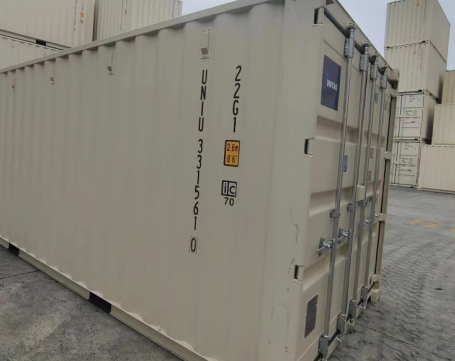
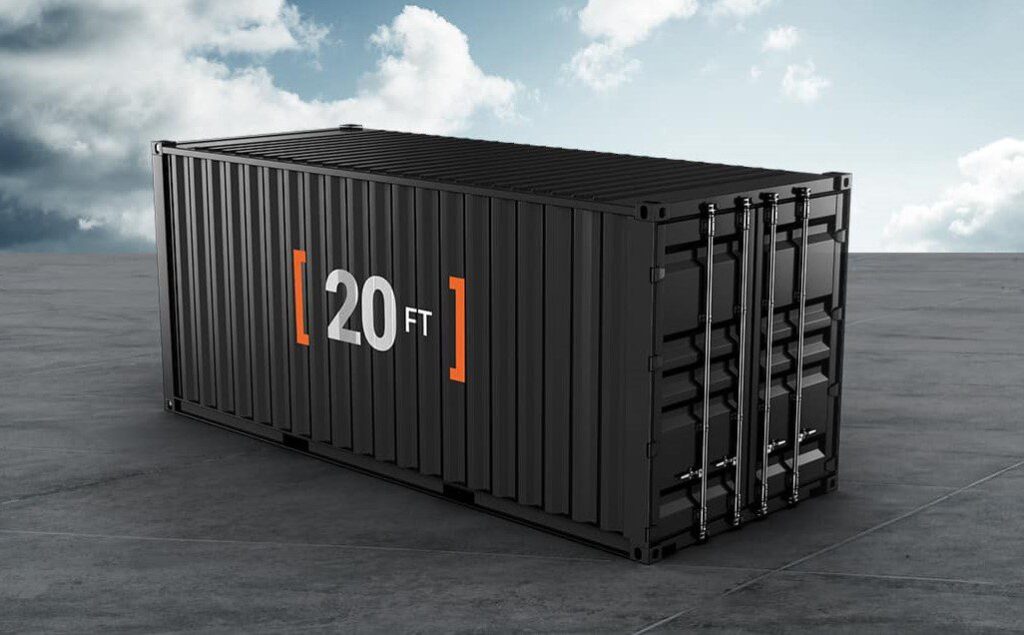
- 20ft (~33 CBM, max 28,000 kg) — Best for shipments under 25 CBM, dense/heavy cargo, or first-time test shipments. For a deeper dive, see our cost of shipping a 20ft container from China to South Africa guide.
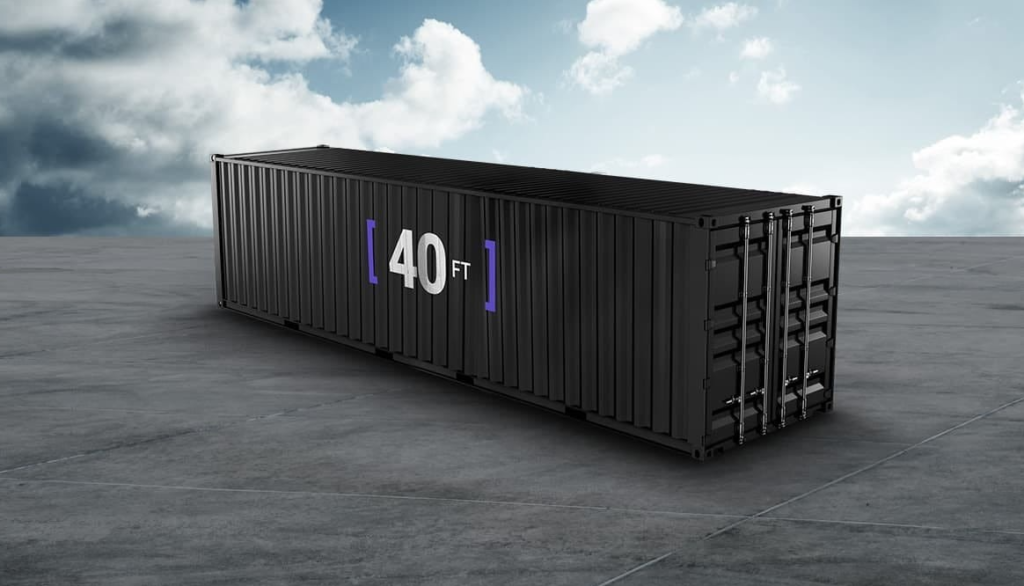
- 40ft (~67 CBM, max 26,500 kg) — The volume-import standard. Per-unit freight cost is 30–40% lower than a 20ft. Ideal when shipping 29+ CBM regularly.
- 40HQ (~76 CBM, 2.70m height vs standard 2.39m) — Adds ~9 CBM for ~$200–$400 more. Best for lightweight, voluminous cargo. Lowest container shipping cost per CBM available.
FCL vs LCL: The Critical Cost Decision
| Factor | FCL (Full Container Load) | LCL (Less than Container Load) |
|---|---|---|
| Cost per CBM | Lower | Higher (per-CBM rate + consolidation fees) |
| Transit Time | 22–28 days | 28–40 days |
| Cargo Security | Sealed, dedicated container | Shared container; more handling |
| Best for | Shipments >15 CBM | Shipments 1–15 CBM |
Rule of thumb: Once your shipment exceeds 15–18 CBM, FCL typically becomes cheaper than LCL—plus you get faster transit and a dedicated container.
Port-to-Port Freight Rate Comparison (June 2026)
| Port Pair | Transit (days) | 20ft Rate (USD) | 40ft Rate (USD) | Notes |
|---|---|---|---|---|
| Shanghai → Durban | 22 | $1,500 – $2,200 | $2,400 – $3,600 | Highest frequency (2–3 sailings/week) |
| Shenzhen → Durban | 22 | $1,550 – $2,250 | $2,500 – $3,650 | Best for Guangdong/Foshan cargo |
| Ningbo → Durban | 23 | $1,500 – $2,200 | $2,400 – $3,550 | Competitive alternative to Shanghai |
| Shenzhen → Cape Town | 22 | $1,700 – $2,400 | $2,700 – $3,800 | Slight premium; fewer sailings |
| Qingdao → Durban | 24 | $1,650 – $2,350 | $2,600 – $3,700 | Northern China manufacturers |
| Tianjin → Durban | 26 | $1,750 – $2,500 | $2,800 – $3,900 | Longer transit; higher base rate |
| Guangzhou → Port Elizabeth | 24 | $1,700 – $2,400 | $2,700 – $3,800 | Automotive industry corridor |
For a full breakdown across all major ports, see our shipping rates from China to South Africa page.
Quick Port Selection Guide
- Cheapest option → Shanghai–Durban or Ningbo–Durban
- Guangdong/Fujian suppliers → Shenzhen or Guangzhou to Durban. For Pearl River Delta specifics, see shipping from Shenzhen to South Africa.
- Zhejiang/Jiangsu suppliers → Shanghai or Ningbo to Durban (most competitive rates)
- Shandong/Hebei suppliers → Qingdao or Tianjin (+2–4 days transit)
- Cape Town destination → Direct Shenzhen → Cape Town to avoid ~1,500 km inland trucking from Durban
READ MORE:
- Shipping From China To Algeria
- Shipping From China To Angola
- Shipping From China To Morocco
- Shipping From China To Nigeria
- Shipping From China To Kenya
- Shipping From China To Tanzania
- Shipping From China To South Africa
Key Factors That Drive Your Container Shipping Costs
1. Container Type (FCL vs LCL)
FCL gives you a fixed rate for the entire container—best above 15 CBM. LCL charges per CBM with consolidation fees, costing 3–5× more per CBM. For shipments over 15–18 CBM, FCL is almost always cheaper.
2. Port Pair & Route
Direct routes (Shanghai–Durban: ~$1,500/20ft) cost less than transshipment routes. Durban offers the most competitive rates among South African ports due to high sailing frequency.
3. Seasonal Timing
Peak season (August–November) drives rates up 15–30%. Chinese New Year (January–February) causes pre-holiday spikes. The cheapest window is March–June. In August 2025, the South Africa trade lane index jumped 2.1% in a single week during peak.
4. Fuel Prices & BAF
Each ~$10/barrel Brent increase adds roughly $50–$100 to a 40ft container’s BAF. As of June 2026, Brent crude at ~$68/barrel keeps BAF moderate.
5. Customs Duties & VAT
Customs duties range from 0% (machinery, raw materials) to 20% (textiles, furniture) of CIF value. VAT adds a flat 15% on the total landed cost (CIF + duty). Always verify your HS code with SARS—misclassification leads to penalties or overpayment. See our customs clearance services.
6. Port & Terminal Fees
THC, loading/unloading, ISPS security fees, and demurrage/detention charges. Free storage at South African ports is typically 3–5 days; after that, demurrage runs $50–$150/day for a 40ft container. Submit documentation before vessel arrival to clear within the free window.
7. Cargo Insurance
All-risk coverage costs 0.3%–0.5% of cargo value—just $110 for a $25,000 shipment. A fraction of the potential loss. Dantful’s cargo insurance offers comprehensive China–Africa route coverage.
Additional Costs to Consider in Container Shipping
When engaging in container shipping from China to South Africa, it is crucial to recognize that various additional costs can impact the total expenditure. Understanding these costs allows for more accurate budgeting and financial planning.
Customs Duties and Taxes
Customs duties are taxes imposed by the South African government on goods imported into the country. These duties vary based on the type of goods being imported and their declared value. The following are key points to consider regarding customs duties and taxes:
- Classification of Goods: Each item falls into specific tariff codes, which determine the applicable duty rates. Accurate classification is essential to avoid costly errors.
- Value-Added Tax (VAT): In South Africa, imported goods are subject to VAT, typically levied at a rate of 15%. This tax applies to the total cost of the shipment, including customs duties and other fees.
- Exemptions and Reductions: Certain goods may qualify for reduced duties or exemptions under specific trade agreements or regulations. Importers should research applicable provisions to leverage potential savings.
Handling and Port Fees
Port-related fees can significantly contribute to the overall cost of shipping. These fees encompass various charges related to the handling of containers at both the loading and unloading ports. Key aspects include:
- Loading and Unloading Fees: Charges associated with the physical handling of containers when they are loaded onto or unloaded from ships.
- Terminal Handling Charges (THC): Fees charged for the services provided by the port terminal during the loading and unloading processes.
- Storage Fees: If containers are not cleared from the port within a specified timeframe, storage fees may apply, increasing overall costs.
Importers should account for these fees when planning shipments, as they can add up quickly and affect profitability.
Insurance Costs for Container Shipping
While shipping goods, it is vital to consider insurance costs to safeguard against potential losses or damages during transit. The following factors should be kept in mind:
- Types of Coverage: Different insurance options are available, including total loss coverage and all-risk coverage, which protect against a broader range of potential issues.
- Cost Factors: Insurance premiums are influenced by the value of the goods being shipped, the shipping method, and the level of coverage selected. Higher-value shipments typically incur higher premiums.
- Risk Assessment: Understanding the inherent risks associated with specific goods and shipping routes can help businesses determine the appropriate level of insurance coverage necessary for their shipments.
Dantful International Logistics Services:
- Dantful Ocean Freight Services
- Air Freight From China
- Amazon FBA Freight Forwarding
- WAREHOUSE Services
- One-Stop Customs Clearance Solution
- Cargo Insurance Services in China
- DDP Shipping Services By Dantful Logistics
- Out of Gauge Cargo Transportation Shipping Services
Step-by-Step: How to Export a Container from China to South Africa
Step 1: Source & Vet Suppliers
Use Alibaba, Made-in-China.com, or trade shows. Verify business licenses and product certifications. Negotiate FOB Incoterms—the supplier delivers to the Chinese port, and you control freight from there.
Step 2: Choose Shipping Method & Container Type
| Method | Volume | Cost Level | Transit |
|---|---|---|---|
| FCL 20ft | 15–28 CBM | $$ | 22–28 days |
| FCL 40ft/40HQ | 29–76 CBM | $ per CBM (lowest) | 22–28 days |
| LCL Sea Freight | 1–15 CBM | $$$ per CBM | 28–40 days |
| Air Freight | Urgent/high-value | $$$$ | 5–8 days |
Sea freight FCL is optimal for most B2B importers. Air freight costs 5–8× more per kg—use only for urgent or high-value shipments. For transit timelines, see how long freight from China to South Africa takes.
Step 3: Engage a Reliable Freight Forwarder
Evaluate forwarders on: (1) China–SA trade lane experience, (2) full-service capability (pickup → customs → ocean → delivery), (3) offices in both China and South Africa, and (4) certifications (Class-A, NVOCC, FMC, Jctrans).
Step 4: Prepare Documentation & Import Permits
| Document | Prepared By |
|---|---|
| Commercial Invoice | Supplier / Exporter |
| Packing List | Supplier / Exporter |
| Bill of Lading (B/L) | Carrier / Forwarder |
| Certificate of Origin | Supplier / Chamber of Commerce |
| Import Permit (if required) | Importer via SARS |
| Customs Import Declaration | Customs Broker |
| Insurance Certificate | Forwarder / Insurer |
Critical: Inconsistency between the Commercial Invoice and Packing List is the #1 cause of SARS inspection delays. Cross-check all documents before dispatch.
Most general consumer goods don’t require an import permit, but used goods, chemicals, food products, and certain electronics do. Verify your HS code’s requirements with SARS before shipping.
Step 5: Book, Ship & Track
Your forwarder arranges factory pickup, loads the container, handles Chinese export customs, books vessel space, and provides real-time tracking. Your role: monitor the shipment and ensure the B/L (original or telex release) is available for destination clearance.
Step 6: Customs Clearance & Final Delivery
Upon arrival, SARS reviews documents, assesses duties and VAT, and may inspect the container. After payment and release, the container is trucked to your door. DDP (Delivered Duty Paid) covers the entire journey with transparent, upfront pricing—explore Dantful’s door-to-door shipping.
Upon delivery, inspect the container exterior, verify the seal number matches the B/L, check cargo against the Packing List, and note any damage on the delivery receipt before signing (essential for insurance claims).
Quick Export Checklist
- Inland delivery arranged
- Supplier vetted — business license & certifications confirmed
- Incoterm agreed (FOB / CIF / DDP)
- Container type & size selected (20ft / 40ft / 40HQ)
- Freight forwarder engaged with China–SA route experience
- Freight quote confirmed in writing
- HS code verified with SARS tariff schedule
- Import permit obtained (if required)
- Commercial Invoice & Packing List cross-checked
- Bill of Lading instructions submitted
- Cargo insurance purchased (all-risk, 110% of CIF value)
- Customs broker notified of upcoming arrival
FAQs
1. What are typical container shipping costs from China to South Africa?
For a 20ft container: $2,450 – $5,250 USD (~R 45,300 – R 97,100). For a 40ft container: $3,750 – $7,450 USD (~R 69,400 – R 137,800). All figures exclude customs duties and VAT. Rates as of June 2026.
2. How much does a 40ft container cost from China to South Africa?
$3,750 – $7,450 USD for freight and logistics. Base ocean freight accounts for $2,400–$3,600 depending on the port pair.
3. How long does sea freight take from China to South Africa?
22–28 days for direct FCL sailings (Shanghai/Shenzhen → Durban: ~22 days; Tianjin → Durban: ~26 days). LCL adds 5–12 days for consolidation.
4. What factors influence container shipping costs the most?
FCL vs LCL choice, seasonal timing, port pair selection, fuel prices (BAF), customs duties and VAT rates, port handling fees, and cargo insurance. Container type and seasonal timing typically have the largest impact.
5. Which Chinese port is cheapest for shipping to South Africa?
Shanghai and Ningbo offer the most competitive rates due to high sailing frequency to Durban. Shenzhen is ideal for Guangdong manufacturers—no domestic trucking needed.
6. What customs duties and VAT apply when importing from China to South Africa?
Customs duties range from 0%–20% (up to 30% for certain goods) of CIF value. VAT at 15% applies to the Added Tax Value (CIF + duty). Verify your HS code with SARS or a licensed customs broker.
7. How can I reduce container shipping costs from China?
Partner with a China-based forwarder, book 3–4 weeks ahead, match the port to your supplier’s location, consolidate into FCL above 15 CBM, ship during March–June off-peak, compare multiple quotes, and negotiate annual contracts for regular volumes.
8. Should I choose FCL or LCL?
FCL if your shipment exceeds 15–18 CBM—cheaper total cost plus faster transit. LCL for smaller shipments or when testing new products in the South African market.
9. What documents are required for customs clearance in South Africa?
Commercial Invoice, Packing List, Bill of Lading, Certificate of Origin, Import Permit (if applicable), Customs Import Declaration, and Insurance Certificate. Inconsistent documents are the leading cause of customs delays.
10. How do I find the best shipping company from China to South Africa?
Look for China–SA trade lane experience, offices in both countries, full-service capability, industry certifications (Class-A, NVOCC, FMC, Jctrans), and transparent pricing.

Young Chiu is a seasoned logistics expert with over 15 years of experience in international freight forwarding and supply chain management. As CEO of Dantful International Logistics, Young is dedicated to providing valuable insights and practical advice to businesses navigating the complexities of global shipping.