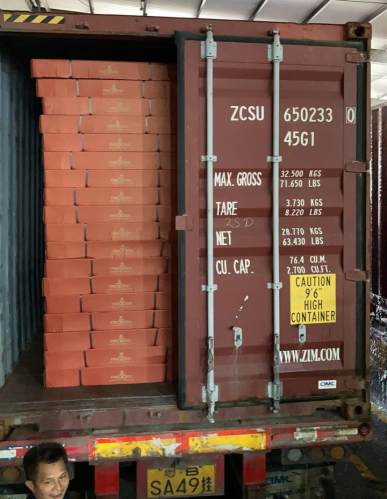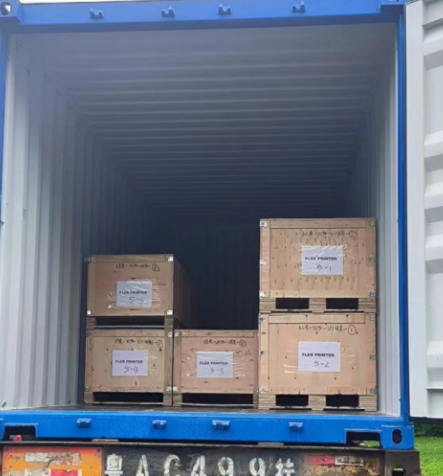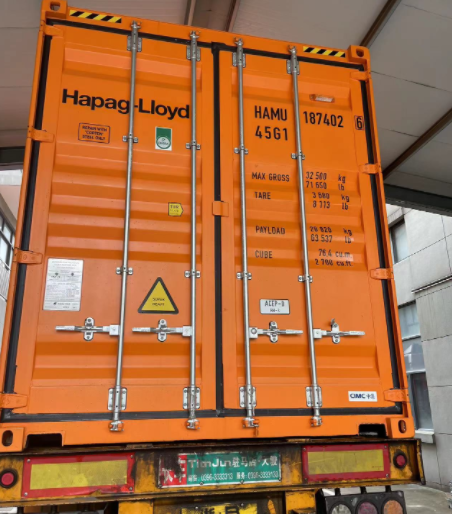
If you’re sourcing goods from Chinese suppliers, understanding shipping rates from China to Syria is the difference between a profitable import operation and an expensive logistical headache. With quotes ranging anywhere from $1,500 to over $5,200 for the same 40ft container — plus a shifting landscape of surcharges, sanctions relief, and Red Sea routing disruptions — getting accurate, transparent cost information before you commit is critical. This guide breaks down every cost component across sea freight (FCL & LCL), air freight, and DDP door-to-door service, so you can budget with confidence and avoid the hidden fees that catch unprepared importers off guard.
China–Syria Shipping Routes at a Glance
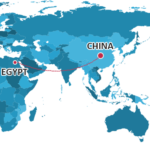
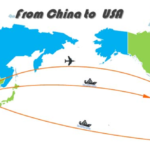
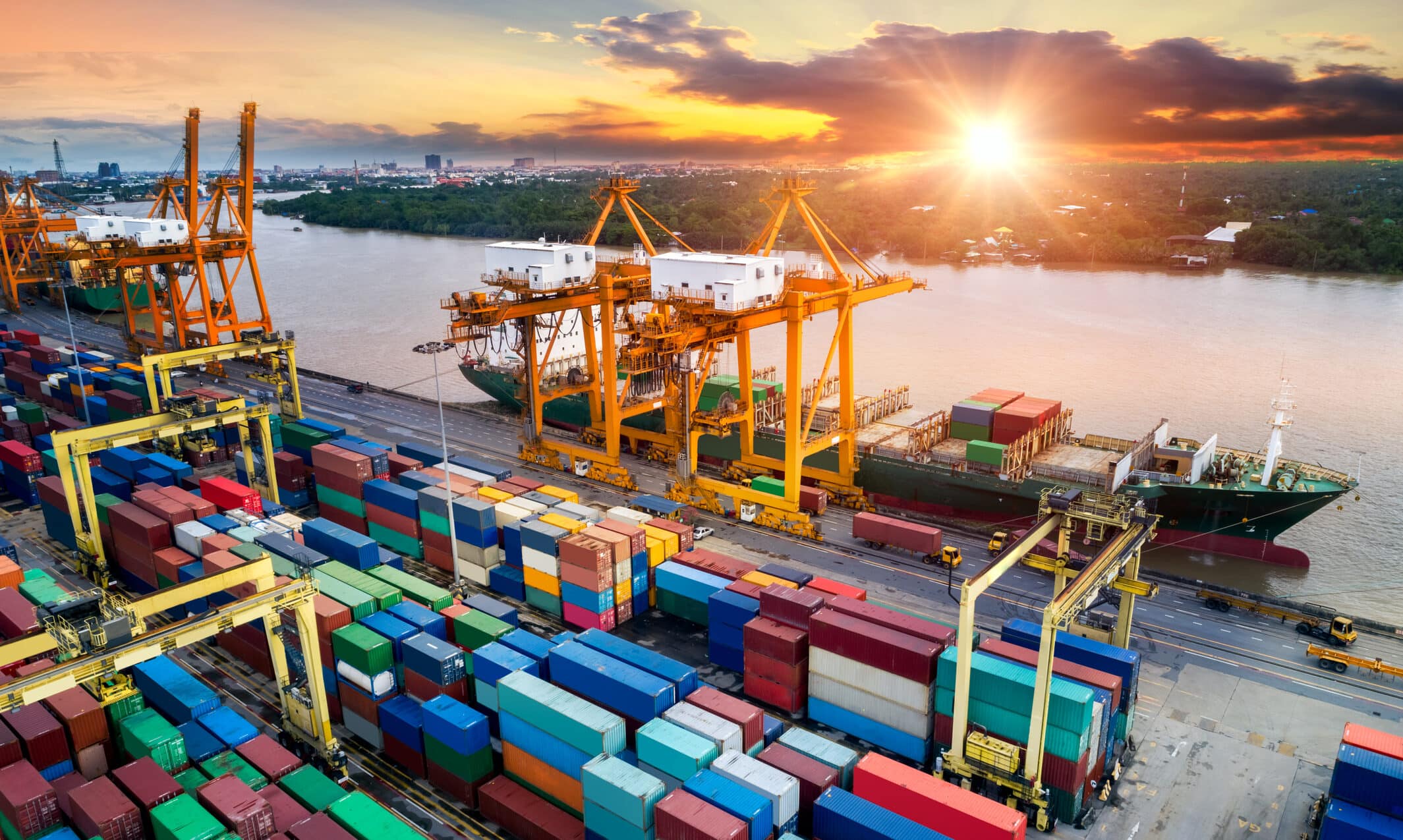
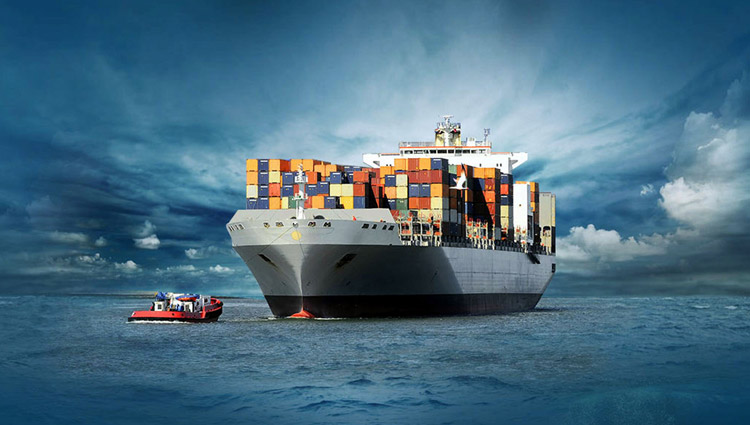
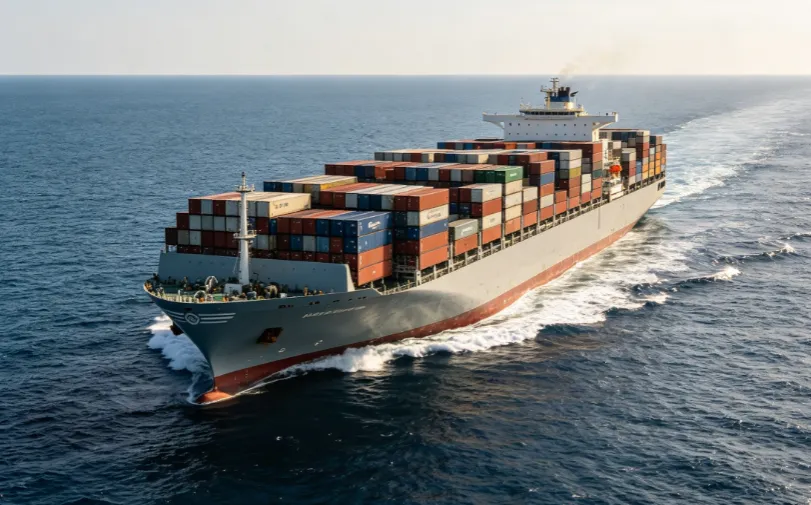
Containerized cargo from China travels via the South China Sea, through the Malacca Strait, across the Indian Ocean, through the Suez Canal, and into the Eastern Mediterranean before reaching Syria’s two commercial ports. Port of Latakia handles roughly 80% of the country’s container traffic, with Port of Tartous serving as the secondary gateway. Because direct sailings to Syria remain limited, most shipments transship through regional hubs — Port Said (Egypt), Mersin (Turkey), Piraeus (Greece), or Jebel Ali (UAE) — before proceeding to Latakia or Tartous on feeder vessels.
For importers who need flexibility, multimodal transport routes goods by sea to Mersin, Turkey (see our Shipping from China to Turkey guide) or Beirut, Lebanon (see Shipping from China to Lebanon), then overland by truck into Syria (15–25 days transit). This option has become especially relevant following Syria’s February 2026 decree restricting foreign-registered trucks from entering the country — a policy that now requires cargo transfers at border crossings, adding both cost and lead time to land-bridge strategies. Your choice of departure port in China — Shenzhen, Shanghai, Ningbo, Guangzhou, Qingdao, or Tianjin — also impacts both freight cost and total transit time, as we detail below.
Sea Freight Rates from China to Syria (FCL & LCL)
For bulk cargo — machinery, construction materials, furniture, textiles, consumer goods — sea freight is by far the most cost-effective mode. The key decision is whether to book a Full Container Load (FCL) , where you pay a flat rate for exclusive use of an entire container, or Less than Container Load (LCL) , where you pay per cubic meter (CBM) and share container space with other shippers. (Not sure which option fits your cargo? Here’s a quick primer on what LCL and FCL mean in shipping.)
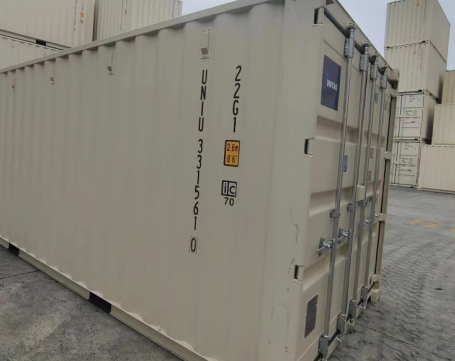
FCL Container Shipping Costs by Port
Below are current benchmark FCL rates from China’s six major ports to Latakia as of mid-2026. These are base ocean freight ranges — your total landed cost will include additional surcharges detailed in the cost factors section.
| Departure Port | 20ft Container (USD) | 40ft Container (USD) |
|---|---|---|
| Shanghai | $1,500 – $2,800 | $2,200 – $4,500 |
| Shenzhen | $1,800 – $3,200 | $2,500 – $5,200 |
| Ningbo | $1,700 – $3,000 | $2,400 – $4,800 |
| Guangzhou | $1,700 – $3,100 | $2,600 – $5,000 |
| Qingdao | $1,600 – $2,900 | $2,600 – $4,800 |
| Tianjin | $1,700 – $3,100 | $2,700 – $5,000 |
Ranges reflect spot market variability. Contract rates for regular shippers typically fall at the lower end. All prices in USD.
Transit time for FCL shipments ranges from 30 to 50 days, depending on the departure port, transshipment connections, and current routing (some carriers still divert via the Cape of Good Hope when Red Sea security conditions warrant — see Section 6).
LCL Shipping Costs
If your shipment is under 15 CBM and you don’t need a full container, LCL sea freight is the practical choice. Current rates:
| Volume Tier | Price per CBM (USD) | Typical Transit |
|---|---|---|
| 1 – 5 CBM | $160 – $220 | 40 – 55 days |
| 5 – 10 CBM | $130 – $180 | 38 – 50 days |
| 10 – 15 CBM | $100 – $150 | 35 – 48 days |
LCL transit runs 5–10 days longer than FCL due to consolidation at origin and deconsolidation at the destination warehouse. The break-even point where FCL becomes cheaper than LCL is typically 12–15 CBM — if your cargo approaches this volume, request quotes for both options.
From our experience: One of our Damascus-based clients importing ceramic tiles from a Guangdong factory recently consolidated an 8 CBM LCL shipment through our Shenzhen warehouse. By grouping orders from three separate suppliers into one consolidated shipment before loading, we reduced their ocean freight to approximately $1,100 and kept total door-to-door transit to 42 days — faster than the industry average because we pre-cleared documentation while the vessel was transiting the Suez Canal. This is the kind of hands-on optimization a freight partner should deliver as standard.
Air Freight Costs from China to Syria
When speed matters — urgent spare parts, high-value electronics, seasonal inventory catch-up, or perishable goods — air freight is the answer. Most air cargo to Syria routes through major Middle Eastern hubs (Dubai, Doha, or Istanbul) before connecting to Damascus International Airport (DAM) , since direct flights from China to Syria are limited.
| Service Level | Price (USD/kg) | Transit Time | Best For |
|---|---|---|---|
| Standard Air Freight | $4.00 – $9.00 | 5 – 10 days | Shipments 100 kg+, airport-to-airport |
| Express Air Freight | $10.00 – $20.00 | 4 – 7 days | Time-critical, priority handling |
| Door-to-Door Air | $6.00 – $13.00 | 7 – 12 days | Full-service, pickup to final delivery |
Airlines charge by chargeable weight — the greater of actual weight or volumetric weight. The volumetric formula is: Length × Width × Height (cm) ÷ 6,000. For example, a 50 kg shipment in a 60×50×40 cm box has a volumetric weight of (60×50×40) ÷ 6,000 = 20 kg, so you pay for the actual 50 kg. But a lightweight, bulky shipment of the same weight in a 120×80×80 cm box calculates to (120×80×80) ÷ 6,000 = 128 kg — you pay for 128 kg, not 50 kg. Always optimize packaging for air freight to avoid paying for “air.” As a rule of thumb from the International Air Transport Association (IATA) , any shipment where volume in cubic meters exceeds 167 kg per CBM tips into volumetric pricing — a threshold many first-time shippers unknowingly cross.
From our experience: We recently handled a 100 kg air freight consignment of smartphone accessories from Shenzhen to Damascus for an Aleppo-based wholesaler. By routing through Doha rather than Dubai — a decision based on real-time flight availability and transit customs efficiency — we delivered in 8 days door-to-door at $720 all-in, including fuel and security surcharges. That’s the difference between booking with a freight partner who actively optimizes routing versus one who simply takes the default connection.
Door-to-Door & DDP Shipping Costs from China to Syria
For importers who want a single point of accountability and a guaranteed all-in price, DDP (Delivered Duty Paid) is the gold standard. Under DDP terms, your freight forwarder handles everything: factory pickup anywhere in China, export customs documentation, international freight, Syrian import customs clearance, payment of all duties and taxes, and final trucking to your door. You receive one invoice and one point of contact. For a complete walkthrough of what DDP covers, read our explainer on what DDP shipping means for importers.
| DDP Mode | Price | Transit Time | What’s Included |
|---|---|---|---|
| DDP Sea Freight | $240 – $420 / CBM | 45 – 60 days | Ocean freight + export docs + Syrian customs + duties/VAT + inland delivery |
| DDP Air Freight | $6 – $15 / kg | 7 – 12 days | Air freight + export docs + Syrian customs + duties/VAT + inland delivery |
DDP is particularly valuable for Syria-bound shipments because the destination customs process can be complex. With a knowledgeable forwarder, your goods clear Latakia or Damascus customs without you needing to coordinate with local brokers, navigate documentation requirements, or manage duty payments yourself. Learn more about door to door shipping from China to Syria for a detailed breakdown of the end-to-end process.
Incoterms at a Glance for Syria Importers
| Term | What You Manage | What the Forwarder Manages | Best For |
|---|---|---|---|
| FOB | Freight booking from port, insurance, destination customs, inland delivery | Factory-to-port transport, China export clearance | Experienced importers with their own Syrian customs broker |
| CIF | Destination customs, duties, inland delivery | Freight to Syrian port + insurance | Importers who want freight handled but can manage customs locally |
| DDP | Nothing — one invoice, one provider | Everything: pickup → freight → customs → duties → delivery | First-time importers, SMEs without Syrian brokers, anyone wanting certainty |
What’s Affecting Your Shipping Costs Right Now
The base freight rate on your quote is only about 55–65% of your total landed cost. Here are the other components — and the real-time market dynamics currently shaping them.
Your all-in cost stack for a typical 40ft container from Shanghai to Damascus looks like this:
| Cost Component | Typical Range (USD) | Current Trend (Jun 2026) |
|---|---|---|
| Base Ocean Freight (40ft) | $2,200 – $4,500 | ↓ Falling — China→Med spot rates down 33% YTD |
| Bunker Adjustment Factor (BAF) | $100 – $250 | → Volatile — oil prices reacting to geopolitical developments |
| Suez Canal Transit Surcharge | 12% of base freight | ↑ Rising — SCA 12% surcharge hike effective Jul 15, 2026 |
| Port Handling (China + Syria) | $100 – $400 | → Stable — but Latakia port activity up 338% since sanctions eased |
| Customs Clearance Fees | $200 – $500 | → Stable — slightly easier with post-Caesar Act regulatory environment |
| Syrian Import Duties & VAT | 1–40% of cargo value | ↓ Improving — EU/US sanctions rollback streamlining tariff classification |
| Cargo Insurance (All Risk) | 0.3–0.5% of cargo value | → Stable — but Red Sea rerouting may affect premium calculations |
| Inland Trucking (Latakia→destination) | $150 – $500 | ↑ Rising — Feb 2026 foreign truck ban increased cross-border costs |
Given the routing complexity and geopolitical factors affecting this trade lane, cargo insurance deserves special attention. A small premium — typically 0.3–0.5% of cargo value for All Risk coverage, or less for FPA (Free of Particular Average) on bulk commodities — protects against losses that could otherwise wipe out your entire shipment investment. According to the International Union of Marine Insurance (IUMI) , cargo theft and damage claims on Middle Eastern routes run significantly above the global average, making insurance on China–Syria shipments not just prudent but essential.
Three developments define the current cost picture:
1. Red Sea routing uncertainty is keeping rates elevated. While China-to-Mediterranean spot rates have fallen 33% since January 2026, they remain 79% higher than pre-crisis (December 2023) levels. Houthi attacks have reignited amid fresh regional tensions, causing CMA CGM to reverse its Red Sea return and Maersk to reroute services back via the Cape of Good Hope. Analysts at Xeneta now consider a full-scale Red Sea return in 2026 “unlikely,” meaning the capacity overhang that would normally crash rates isn’t materializing. Rates are softening — but slowly.
2. Sanctions relief is unlocking Syrian ports, but costs haven’t fully normalized. The repeal of the US Caesar Act (December 2025), the EU’s lifting of most sectoral sanctions (May 2025), and the UN’s delisting of HTS (February 2026) have already driven a 338% surge in Syrian port calls. CMA CGM extended its Latakia port contract and DP World signed a new Tartous port agreement. More vessels calling means more competition — but infrastructure and compliance costs are still catching up to the new reality.
3. Syria’s February 2026 land-border decree hit multimodal costs hard. The ban on foreign-registered trucks entering Syria requires cargo transfers at border crossings, doubling transport costs from Jordan and raising Turkey/Lebanon routing costs by 50–70%. If you’re considering sea-to-land multimodal strategies, factor in these new border-transfer expenses and delays of up to two weeks.
Syria Customs Clearance & Trade Compliance
This is where most generic freight guides fall short. Syria’s customs and regulatory environment is unique — and understanding it before you ship prevents costly delays, storage fees, or worse. As the International Federation of Freight Forwarders Associations (FIATA) emphasizes, proper documentation preparation is the single largest controllable factor in customs clearance speed. Working with a partner that specializes in customs clearance for complex destinations is the single most effective way to avoid border delays. Our team has direct relationships with licensed brokers at Latakia and Damascus, and we pre-lodge documentation before the vessel arrives — a workflow detail that routinely saves our clients 3–5 days of clearance time versus self-managed brokerage.
Required Shipping Documents
Every commercial shipment from China to Syria must include:
- Commercial Invoice — with accurate HS codes, declared value, and buyer/seller details
- Packing List — detailed weight, dimensions, and contents per package
- Bill of Lading (B/L) — for sea freight, issued by the carrier
- Airway Bill (AWB) — for air freight, issued by the airline or forwarder
- Certificate of Origin — issued by CCPIT (China Council for the Promotion of International Trade), certifying the goods’ Chinese origin
- Import License — required for certain regulated or restricted goods categories
- Product-specific certificates (CE, RoHS, etc.) — if applicable to your product category
Missing or inaccurate documentation is the #1 cause of customs delays. Have your forwarder review all documents before the container sails.
Syrian Import Duties: What to Expect
Syria’s tariff structure applies customs duties ranging from 1% to 40% depending on HS code classification. General reference points for common imports:
| Product Category | Approximate Duty Rate |
|---|---|
| Industrial machinery & equipment | 1% – 5% |
| Electronics & electrical goods | 5% – 10% |
| Textiles, apparel & footwear | 15% – 30% |
| Furniture & housewares | 15% – 25% |
| Building materials | 5% – 20% |
| Food products | 5% – 40% (varies widely) |
These are estimates — actual rates depend on your specific HS code classification. Your freight forwarder should provide a duty estimate as part of any DDP quotation.
Sanctions & Compliance: The Practical Reality
Since the Caesar Act repeal and the broader sanctions rollback of 2025–2026, the compliance landscape for legitimate commercial trade with Syria has improved significantly. Most consumer goods, industrial equipment, building materials, and commercial products can now be shipped with standard documentation. However, important boundaries remain:
- Dual-use items (goods with both civilian and potential military applications) face heightened scrutiny and require end-user documentation
- The US State Sponsor of Terrorism (SST) designation, while potentially being removed as early as mid-2026, remains in place — impacting banking channels and letter-of-credit transactions
- Certain categories — advanced electronics, telecommunications equipment, chemical products — may require additional export control review
- Working with a freight forwarder who actively monitors Syria-related sanctions lists ensures your shipments stay compliant as regulations continue evolving
The bottom line: legitimate commercial shipping to Syria is more accessible today than at any point in the past decade, but compliance is not optional. This is one area where an experienced freight forwarder pays for itself many times over.
Customs Clearance Tips
- Pre-submit documents before the vessel arrives — clearance can begin while cargo is in transit
- Verify HS codes with your forwarder’s Syrian customs broker before shipping — reclassification at the border means demurrage charges
- Declare accurate values — undervaluation is the fastest way to trigger a customs audit and shipment hold
- Work with a forwarder that has on-the-ground relationships with licensed customs brokers in Latakia, Tartous, and Damascus
7 Ways to Reduce Your Shipping Costs from China to Syria
1. Switch to FCL at the right volume. At 12–15 CBM, FCL becomes cheaper per unit than LCL. If you’re consistently shipping 10+ CBM, it’s time to run the FCL math.
2. Consolidate supplier orders. Instead of shipping three separate LCL pallets from three factories, route everything through a single China consolidation warehouse and ship one FCL container. Per-unit cost drops 20–40%.
3. Time your shipments strategically. The most expensive windows: August through October (peak season surcharges), the two weeks before Chinese New Year (factory rush), and Ramadan (regional demand spike). The best windows for competitive rates: March–May and November (after Golden Week).
4. Optimize your packaging. For air freight, reducing box dimensions directly lowers chargeable weight. For sea freight, palletization reduces handling damage and associated fees.
5. Compare departure ports. If your supplier is in Guangzhou, shipping from Shenzhen is the obvious choice — but running the numbers on Shanghai or Ningbo sometimes reveals $200–$500 savings on a 40ft container that outweigh the extra China-side trucking cost.
6. Build a relationship with one forwarder. Spot-market quotes are convenient but expensive. Importers who commit to a freight partner gain access to contract rates, priority space allocation during peak season, and proactive problem-solving that saves far more than any spot-rate discount. While it’s natural to search for the cheapest shipping company from China to Syria, remember that the lowest headline rate rarely delivers the lowest total landed cost — factor in reliability, compliance, and hidden fees. To be transparent: Dantful’s rates may not always be the absolute lowest on a per-container basis. What we deliver is a guaranteed, all-in price with no back-end surprises — and over a full year of regular shipments, our clients consistently report 15–25% lower total logistics spend compared to chasing spot-market bargains.
7. Re-evaluate multimodal routes. Sea to Mersin plus trucking into Syria was once a cost-effective alternative. With the February 2026 border-transfer decree, this route now carries higher costs and delays. For most shipments in 2026, direct sea freight to Latakia with DDP clearance is the better value.
Why Dantful Is Your Best Freight Forwarder for China–Syria Shipping
As a leading freight forwarder in Shenzhen China, Dantful International Logistics brings a level of expertise and accountability to China–Syria shipping that no competitor on this page can match. With 15+ years of experience and headquarters in the heart of China’s export ecosystem, we’ve helped thousands of importers across the Middle East streamline their supply chains — explore our Shipping from China to Middle East hub for regional service coverage.
We are a Class-A licensed freight forwarder approved by China’s Ministry of Commerce, an NVOCC certified by the Ministry of Transport, and a proud member of both FMC and Jctrans — credentials that represent a commitment to compliance, professionalism, and transparency that generic freight brokers simply cannot offer.
Our China–Syria service includes:
- Direct carrier contracts with COSCO, OOCL, Maersk, CMA CGM, EMC, and HMM — competitive rates and guaranteed space, even during peak season
- True door-to-door DDP service — from any Chinese factory or supplier to any destination in Damascus, Aleppo, Homs, Latakia, or anywhere in Syria
- 50 operations specialists + 50+ multilingual customer support staff — 24/7 tracking updates and dedicated account management
- Active sanctions compliance monitoring — so your shipments clear customs without regulatory surprises
- A 200-country agent network — with trusted, vetted partners in Syria and neighboring countries for reliable last-mile delivery
When shipping costs, transit times, and compliance all matter — and they always do — you need more than a freight quote. You need a partner.
Ready to ship from China to Syria? Contact Dantful today for a free, no-obligation quote tailored to your cargo type, volume, timeline, and budget. Our Syria-dedicated account managers — all based in our Shenzhen headquarters and supported by Arabic-speaking logistics coordinators — respond within 24 hours with a transparent, line-by-line quotation showing every cost component. No hidden surcharges, no bait-and-switch pricing. Just honest, expertise-backed logistics from a team that’s been doing this since 2008.
Disclaimer: All rates in this guide are mid-2026 market estimates based on publicly available carrier data and our internal transaction history. Your actual quote will reflect real-time spot/contract rates, your specific cargo characteristics, and current routing conditions. This article does not constitute a binding offer.
FAQs
Q: How much does it cost to ship a 20ft container from China to Syria?
A: Base ocean freight for a 20ft container ranges from $1,500 to $3,200 depending on the departure port (Shanghai and Qingdao tend to be the most competitive). Your total landed cost — including surcharges, customs clearance, duties, and inland delivery to Damascus — typically falls between $3,000 and $5,500 all-in.
Q: How long does sea freight take from China to Syria?
A: FCL shipments typically take 30–50 days from major Chinese ports to Latakia, depending on the transshipment connection. LCL adds 5–10 days for consolidation and deconsolidation. If Red Sea security conditions force a Cape of Good Hope reroute, add 10–14 days.
Q: Is DDP shipping available to Syria?
A: Yes. DDP sea freight costs $240–$420 per CBM and includes export documentation, ocean freight, fuel surcharges, Syrian import customs clearance, all import duties and taxes, and door-to-door delivery. It is the recommended option for first-time importers and businesses without an established Syrian customs broker.
Q: What is the cheapest way to ship from China to Syria?
A: LCL sea freight is the lowest-cost option for volumes under 10 CBM ($100–$220/CBM). For shipments above 12–15 CBM, FCL becomes more economical per unit. Consolidating multiple supplier orders into a single FCL container is the single most effective cost-saving strategy.
Q: Are there sanctions on shipping commercial goods to Syria?
A: The sanctions landscape has improved substantially since the Caesar Act repeal (December 2025) and the EU’s lifting of most sectoral sanctions (May 2025). Most commercial goods — machinery, electronics, textiles, consumer products, building materials — can be legally shipped to Syria with standard documentation. Certain dual-use and restricted categories require additional review. Always work with a forwarder experienced in Syria-specific compliance.
Q: What documents are required to import from China to Syria?
A: The essential set includes: Commercial Invoice, Packing List, Bill of Lading (sea) or Airway Bill (air), Certificate of Origin, and — for regulated goods — an Import License. See Section 7 above for the full checklist.
Q: Which Chinese port has the cheapest rates to Syria?
A: Shanghai and Qingdao generally offer the most competitive base freight rates. However, the optimal port depends on your supplier’s location — the savings from a cheaper departure port can be wiped out by higher inland trucking costs in China. Always compare the total door-to-port cost, not just the ocean freight line item.

Young Chiu is a seasoned logistics expert with over 15 years of experience in international freight forwarding and supply chain management. As CEO of Dantful International Logistics, Young is dedicated to providing valuable insights and practical advice to businesses navigating the complexities of global shipping.